Alright, are you ready for Ashley’s question? Yes, ma’am. Ashley says, “What are the Money Guy Show’s thoughts on disability insurance? When is it necessary, or is it always necessary? What do you think? You want to start, or you want me to start, brother?”
“Well, everybody knows because I just can see the content team because they love it when I say this. Well, Bo used to sell insurance. Why don’t you start? It always just gives me a little chance for like—let me start on, you know, that’s why y’all were laughing over there, wasn’t it? You knew I was going to say. I wasn’t even thinking of that. Actually, let me start by saying, in my opinion, I think disability is one of the most undercarried necessary insurances out there. I think a lot of people think, ‘Hey, I’m going to go buy life insurance. I’m not going to buy disability insurance.’ Well, if you look at the statistics, you are much more likely to become disabled during your working career than you are to prematurely die during your life. They’ve figured this. You are going to die, though. I said prematurely.”
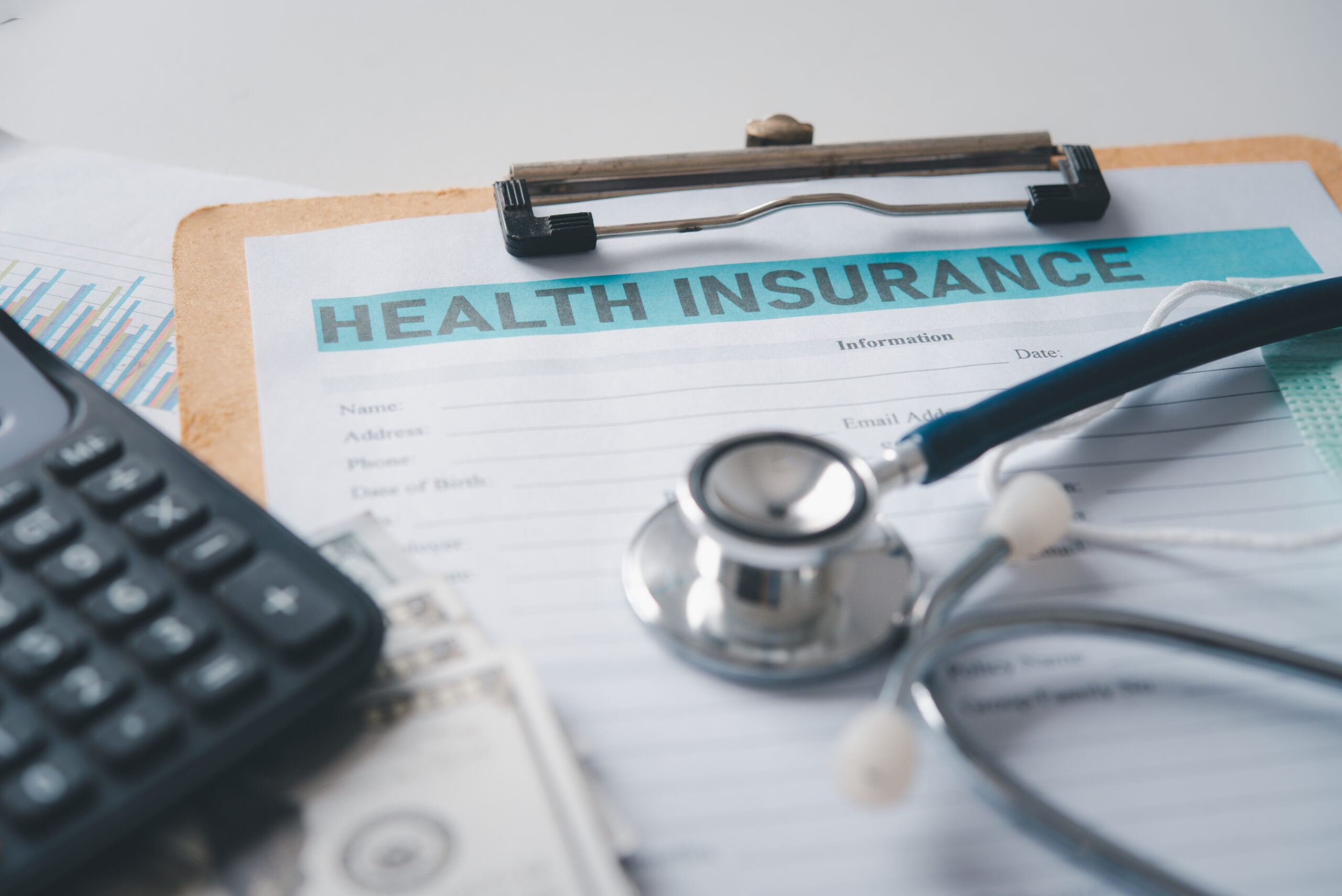
“So, the question is, okay, well, when should I buy disability insurance? You should buy disability insurance when, in the event of your disability, you would either be unable to satisfy obligations that you have, like mortgage rent, other things like that that you would need to pay for, or other people are depending upon your income. If I’ve got a spouse, I’ve got children, I’ve got other things coming on, if I were to all of a sudden get in that car accident and I could not work, I want to make sure that I have cash flow coming in. So, I would argue that most people, save maybe folks very, very early on in their career that are just now kind of getting their sea legs under them, most people should carry disability insurance until they get to that point in time where they can be self-insured, meaning if I were to become disabled, I have enough money saved up, I have enough resources, I have enough sources of income that I don’t need an insurance policy to replace my income if it went away. I would be okay. If you cannot say that, then you probably are a prime candidate for disability insurance.”
“Now, when it comes to disability insurance, it’s not all created the same, Brian, right? And there are—you can over-insure yourself, and you can under-insure yourself. Do you have any thoughts around how much should you carry, and then, like, what type should carry, and how do you know what type makes the most sense for you?”
“Yeah, I definitely think it’s something that most people should look into, do some research on, because I’ve even seen like single people who didn’t have anybody living off their money, but they just wanted to make sure that if something happened to them, that their loved ones and other things could take care of them without them becoming a pull, you know, creating a lot of distress in situations. So, it really does apply to a lot of people. And I think what Bo is highlighting, this is a tax thing that I like to draw people’s attention to: the way you pay for your disability insurance is important. If you pay with your own money after tax, meaning that this money was taxed before it came to you, if you actually ever become disabled, the benefits actually are completely tax-free. And that’s a powerful thing because we’ve worked with people who were on disability, and if it was structured correctly, you don’t have to have 100% of your expense, you know, of everything covered, ’cause a lot of you don’t really—I mean, most people, when you look at how much money you make versus what you actually spend, you find out, ‘Wow, you pay a lot of taxes.’ You know, it’s not uncommon that taxes take 30 to 40% of your money.
So, that’s why it’s—it is possible that you can buy a Disability Policy around 60% of your income, and you’ll probably be in a pretty good place because that’s going to be tax-free if it ever goes into effect. And then, you know, at that point, you’re probably not worried about saving for retirement as much as you’re now just sustaining through the Disability Policy. And a lot of times, these disability policies will go all the way up until like 65. That’s when you qualify for Medicare and some of the additional safety net coverages that are out there. But yeah, I have disability insurance. For a quick Q&A, I mean, we’re only four minutes into it, but there’s—okay, I mean, that’s where you—you know, there are policies that will specifically talk about—you could get paid for doing for what you do in your day-to-day, and then there’s kind of general policies. Because there are some people that, you know, just—if you could go work at Walmart as a greeter, a general policy probably wouldn’t pay, but an own-occ would, an own-occupation, so, um, I have a mix, I have both. And I think that’s, um, that’s probably something you ought to consider. And then when you get to higher levels, they will ask you to kind of verify your income, but and go through all the exercises to make that stuff happen. I think as a general rule of thumb, if the vocation that you are in is fairly specialized, and you tend to be a higher income earner because of that vocation, you probably do want to look at own-occ disability, own-occupation disability coverage because if you’re a brain surgeon, the income you’re making is very different than if you are a Walmart greeter. The income disparity there is pretty substantial.
So, you want to make sure that if you were to file a claim, the insurance company says, ‘Okay, well, this brain surgeon can no longer do surgery on brains, so we’re going to pay this out, and it’s going to be more expensive to buy that type of coverage.’ And that’s exactly what Brian says. You can stack them; you can buy own-occ and in-occ coverages so that way you keep the total Premium cost down. It’s also a great idea. A lot of employers will make this a benefit that’s available through work, and you get pooled coverage with more favorable rates. Look at your open enrollment book when you go through open enrollment to see what’s available to you, what rates are there, and make sure that you are covered here if you need it because you don’t want to have that, you know, proverbial bus hit you on a Tuesday and all of a sudden send your entire financial life into the ditch unnecessarily.” For more information, check out our free resources.