
Change your life by
managing your money better.
Subscribe to our free weekly newsletter by entering your email address below.
Subscribe to our free weekly newsletter by entering your email address below.




It has been a good while since I did the last podcast on investing basics. The backbone of good investing is Asset Allocation, and today I am going to load you up with great information.
Terms needed to understand asset allocation:
Domestic Stocks = US Companies
Market Capitilization of US Stocks (According to Morningstar):
Large Cap = US Companies with a Market Cap greater than $11 Billion (these are the companies that are household names like Wal-mart, GE, Home Depot, Coca-Cola, Pfizer, and so forth)
Mid Cap = US Companies with a Market Cap between $2-$11 Billion (these are companies that you might have heard of like HR Block, but are not the size of the previous listed group.
Small Cap = US Companies with a Market Cap below $2 Billion. Probably not going to recognize the small company unless you specifically use their product or they are in your town.
International Stocks = Obviously companies that are based outside of the United States. Examples include: Nestle (Switzerland), Lafarge (France), GlaxoSmithKline (UK), Mitsubishi (Japan)
Value Stocks vs. Growth Stocks (according to about.com):
Value = Stocks that are under priced by the market for reasons that have nothing to do with their businesses. Often a stock’s only sin is not being a part of the current hot sector. Typically have a low price earnings ration (P/E), more equity than debt on their balance sheets, and current assets are twice current liabilities. (For an example of a Value stock lets look at Dodge & Cox Stock Fund’s top holding according to Morningstar: Hewlett-Packard Company (PE = 23.1))
Growth = Stocks that have projeted or historic strong growth rates, return on equity, and earnings per share (EPS). (For an example of a Growth stock lets look at Fidelity Contrafund’s top holding according to Morningstar: Google Inc.(PE = 61.7)).
The easiest way to determine the style of a stock or mutual fund is to look it up at www.Morningstar.com
Morningstar takes into account company valuations and other factors and make a determination on to class the holding.
Now that we know a few terms how do you make them work for you?
First where are you in the saving stage?:
If you are just starting out and have not built up a nest egg over $100,000 I think you should stick to one of the good Fund of Fund investments like Fidelity’s Four In One Index (FFNOX) or Vanguard Total Stock Index Fund (VTSMX). These simple choices offer basic diversification with no commissions and practically free of any internal fees.
For those that have built up some holdings… The basic asset classes I use in portfolio management include: Domestic Stocks, International Stocks, Fixed Income (Bonds), Commodities (Natural Resources, Oil & Gas Holdings), Real Estate (Both Domestic and International), Absolute Return Strategies (Hedge Funds), and of course Cash Equivalents.
A hypothetical individual with a moderate tolerance for risk might have the following allocation:
Cash & Equivalents = 5%
Fixed Income = 15%
Absolute Return Stategies = 20%
Domestic Stocks = 37%
International Stocks = 15%
Real Estate = 3%
Commodities = 5%
Cash = Since a good money market fund is yielding around 5% you do not have to feel as guilty about having a portion of your money in unsexy cash
Fixed Income = With an inverted yield curve you still want to have the majority of your money in Short Term holdings
Absolute Return Strategies = This class use to be reserved for only the wealthiest individuals, but now anyone can invest in this unique investment class through mutual funds. Morningstar even added a new category (“Long-Short”) to cover this type of investment. Make sure you pay attention to the risk of the investments. I prefer the conservative funds with limited risk.
Domestic Stocks = 50%-70% of your exposure to this investment class should be in large cap holdings. I personally like ETFs and Index Funds for Large Cap Investing. Mid and Small Cap exposure is tricker because you need a good manager and the good ones close their doors quickly to new investors because of their popularity.
International Stocks = The lion share of your investment will be in large European countries, but you may also want to spice up this asset class with some expsosure to Emerging Markets like Latin America and Asia. Be careful of your risk profile because International holdings especially Emerging Markets can be very volatile.
Real Estate = I have been calling for a pull back in REITs and RE mutual funds for the last 2.5 years, but they keep appreciating. Be careful here because you do not want to top the market. International Real Estate opportunities have increased in the last two years and have performed well.
Commodities = This may not be a bad time to add a limited exposure to this asset class. We all know that last year oil prices ran up to $78/barrel and I not so sure I feel that the world is stable enough to substain low $50s for a barrel of oil. Natural Resource funds that not only invest in Oil/Gas investments can help spread your exposure in this asset class.
Subscribe on these platforms or wherever you listen to podcasts! Turn on notifications to keep up with our new content, including:





Free Resources
Here are the 9 steps you’ve been waiting for Building wealth is simple when you know what to do and the order in which to...

Free Resources
If you want to set yourself up for future success, find out how much you need to save every month to become a millionaire.

Free Resources
Here’s how you can buy a dependable car that won’t break the bank. Our free checklist walks you through the 20/3/8 rule and strategies to...


Articles
As a millennial, it’s been difficult to adjust to no longer being the token young adult. It felt like for decades “millennial” was used as...
Articles
Some financial influencers say you should never use credit cards, while others believe credit cards can be a beneficial tool in your financial life. Are...

Articles
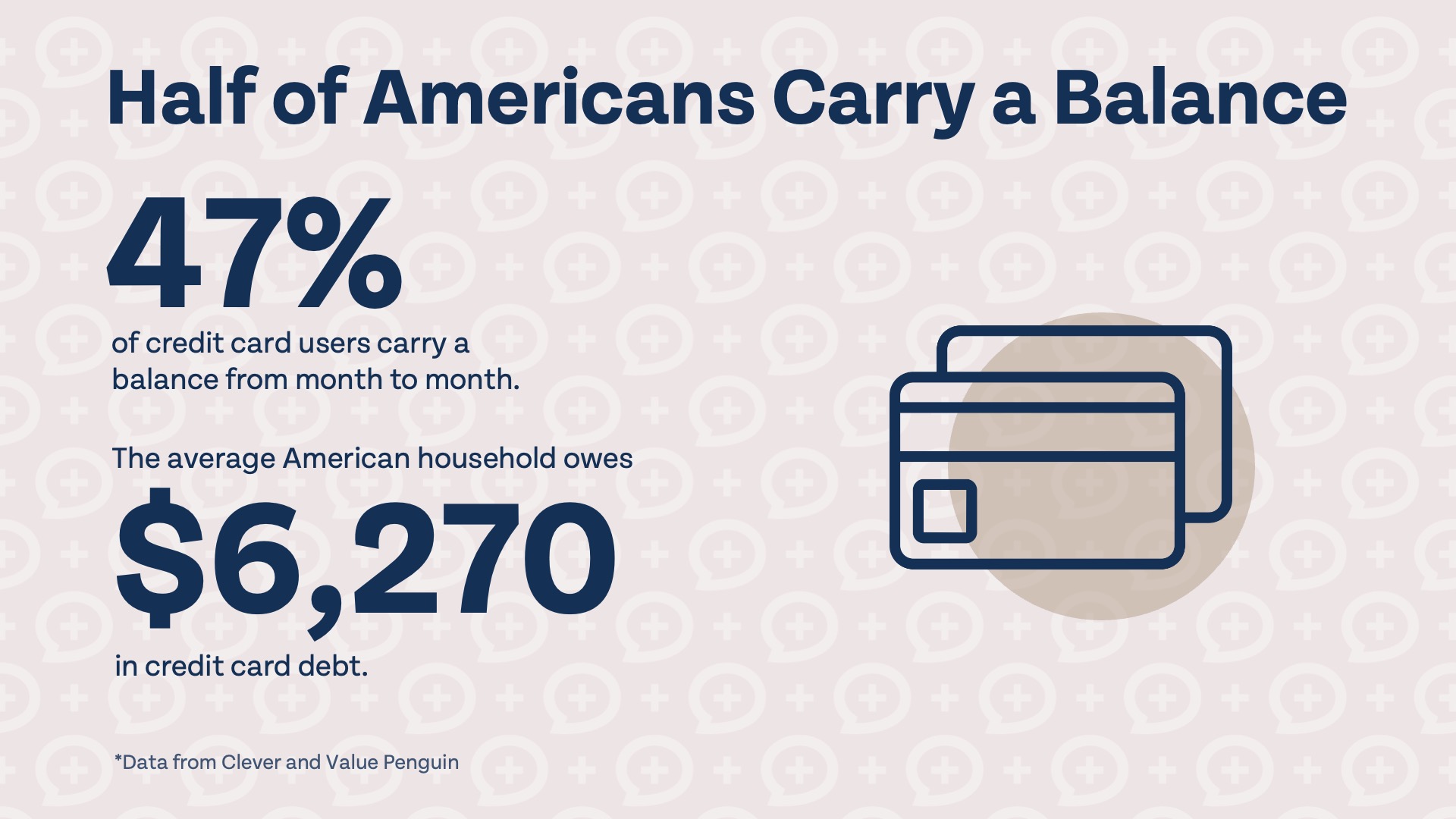
Credit card debt should be avoided at almost all costs. The average interest rate on credit cards is currently 24.20%, which means for every $1,000...

How about more sense and more money?
Check for blindspots and shift into the financial fast-lane. Join a community of like minded Financial Mutants as we accelerate our wealth building process and have fun while doing it.
Free Resources
Here are the 9 steps you’ve been waiting for Building wealth is simple when you know what to do and the order in which to...
Free Resources
If you want to set yourself up for future success, find out how much you need to save every month to become a millionaire.
Free Resources
Here’s how you can buy a dependable car that won’t break the bank. Our free checklist walks you through the 20/3/8 rule and strategies to...

It's like finding some change in the couch cushions.
Watch or listen every week to learn and apply financial strategies to grow your wealth and live your best life.

Episodes
Are your investments in the right accounts? We explain the three types of investment accounts, which assets should live where to maximize tax efficiency, and...

Episodes
Are you financing too much car? We break down the 20/3/8 rule, reveal which car brands pass our Money Guy test for dependability and value,...

Episodes
Jonah and Caroline earn $420,000 and built an $820,000 net worth by age 29, but they're carrying a $49,000 401(k) loan, recovering from a $75,000...
Subscribe to our free weekly newsletter by entering your email address below.