

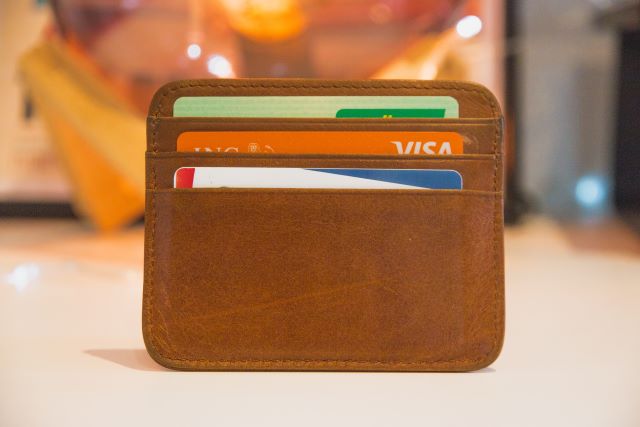
We often say on the show that using credit cards is like using a chainsaw: very dangerous, but very useful. Just like chainsaws, credit cards aren’t for beginners, and you need to be a pro to use them properly. In this nifty guide, you’ll learn everything from the basics of credit cards to the money-saving tips that credit card companies would rather you didn’t know. Like any good guide, we’re going to start with the basics.
What is a credit card?
Credit cards allow you to pay for purchases with a line of credit, borrowing money to pay for things. There are two types of credit cards, secured and unsecured. A secured credit card is backed by a cash deposit, so it’s less risky for the issuer and available to those with less than stellar credit. Unsecured credit cards are not backed by any collateral, and are therefore riskier for the card issuer.
What factors make up a credit score?
1. Payment history (35%)
Payment history accounts for 35% of your total credit score and is the most important factor in determining your score. Your payment history is determined by how often you make payments on-time and how often you miss payments.
2. Credit utilization (30%)
Credit utilization is the second most important factor in determining your credit score. Utilization is the percentage of all your available credit that you’re using. For example, if you have a combined credit card limit of $20,000 across all cards, and you’re using $2,000 of that, your utilization is 10%. Tommy Lee, principal scientist at FICO, says there’s no benchmark utilization that will lower your score. It’s best to keep your utilization as low as possible.
3. Length of credit history (15%)
Length of credit history means how long you’ve had open accounts, and includes the length of time activity last occurred on the account as well. If you’ve been using credit responsibly for many years, your credit score will be higher than someone who just opened their first credit card.
4. Types of credit (10%)
Diversity among lines of credit is another factor considered when calculating your credit score. If you are able to responsibly manage different types of debt, such as mortgage, credit cards, and student loans, you’ll have a higher score than someone who only has credit cards listed on their credit report.
5. Credit inquiries (10%)
Credit inquiries occur when a potential lender triggers a hard inquiry, or hard pull, on your credit report. Hard inquiries no longer affect your credit score after 12 months, and fall off your score completely after 24 months. Having more than a few hard pulls on your credit report over a short period of time will negatively affect your credit score.
What’s the difference between a hard inquiry and a soft inquiry?
A hard inquiry is counted against you on your credit report, and may lower your score by a few points, but a soft inquiry is not. A hard inquiry usually occurs when a lender is evaluating you for a new line of credit. If you already have a line of credit and you are looking to increase it, this may only count as a soft inquiry. If you check your own credit score, that also counts as a soft inquiry. Lenders and banks will always let you know whether or not they are making an inquiry into your credit that will show up on your credit report. It is not legal for someone to place a hard inquiry on your credit file without specific permission to do so. If you notice an inquiry on your report you didn’t make, you may be a victim of identity theft. Victims of identity theft will need to contact the 3 credit bureaus to report fraud and place a freeze on your credit.
Common credit card myths
1. Carrying a balance helps your credit score.
One of the longest-standing misconceptions about credit scores is that you need to carry a balance every month. This isn’t true; a 0% utilization rate won’t bring down your credit score unless you’ve stopped using your credit cards altogether. Activity on your credit cards is good because it shows you know how to use credit responsibly; no activity could bring down your score slightly because it might mean you don’t know how to use credit cards.
2. Credit cards are bad.
Credit cards aren’t bad, but they can be very harmful when used irresponsibly. Credit cards are safer than debit cards because of the stronger fraud protection, they may offer extended warranties, and many cards earn cash-back rewards or airline miles. When used irresponsibly, though, credit cards can trap you in a deep hole of debt, and the high interest rates make it difficult to escape.
3. If you can’t afford it, put it on a credit card.
Many people see credit cards as a tool to make purchases they can’t afford. Although credit cards do allow you to buy things you can’t afford, they should never be used this way. Once you start spending money you don’t have, you fall into the pit of credit card debt very quickly. It’s very easy to get into credit card debt, and almost impossible in some cases to get out.
Not everyone is responsible enough to use credit cards, but they can be a tool for good if you are responsible enough to use them.
Interested in learning more about how to use credit cards responsibly and maximize benefits? Check out our credit card hub.