Last Updated
July 27, 2026
Read Time
Share
Credit cards can be polarizing. They may be a tool you use everyday without a second thought or they could be a dangerous trap that you avoid at all costs. In this article, we’ll cover everything you need to know to use credit cards responsibly and ensure they have a positive impact on your finances.
Key Takeaways
- Don’t use credit cards as a tool to overspend.
- If you carry credit card debt, they may not be for you.
- Pick cards that suit your spending to maximize rewards and benefits.
- Never use the cash advance feature on your credit card.
How do credit cards work?
Copy link to this section: How do credit cards work?
Copied the URL to your clipboard!
Copy link to this section: How do credit cards work?
Copied the URL to your clipboard!
Credit cards allow you to pay for purchases with a line of credit, borrowing money to pay for things. There are two types of credit cards, secured and unsecured. A secured credit card is backed by a cash deposit, so it’s less risky for the issuer and available to those with less than stellar credit. Unsecured credit cards are not backed by any collateral, and are therefore riskier for the card issuer.
Some don’t believe in using credit cards because of the way they work: by using them, you are essentially taking out a loan for a purchase. We believe credit cards themselves aren’t bad, but how you choose to use them can be harmful. If you use credit cards like loans and take months or years to pay them off, you should avoid them entirely. If you only use credit cards in place of debit or cash, i.e. you only spend money you have, they can offer major benefits over other methods of payment.
Credit cards vs. debit cards
Copy link to this section: Credit cards vs. debit cards
Copied the URL to your clipboard!
Copy link to this section: Credit cards vs. debit cards
Copied the URL to your clipboard!
83% of Americans prefer card payments over cash, and cash is now only used in 11% of in-store transactions. Credit cards are more popular than debit cards, with the former being used for 40% of in-store transactions and the latter for 30%, and there are a few reasons why most consumers prefer using credit cards.
Most credit cards have zero fraud liability. When your debit card is used fraudulently, it is YOUR money missing. When your credit card is used fraudulently, it is THEIR money missing. Debit cards and bank accounts do have safeguards and protections against fraud, and will help you if you become a victim of fraud, but credit cards are usually much better and faster at resolving fraudulent transactions.
In addition to enhanced fraud protection, credit cards often have other safeguards that debit cards do not, such as purchase protection (which means if an item drops in price shortly after you buy it, you can get a refund for the difference) and extended warranties.
It is more expensive to use cash and debit cards than credit cards at most businesses. Merchants are charged credit card processing fees for every transaction, and often pass this cost along to the consumer. Credit card users can make some or all of this money back through points and rewards, but cash and debit card customers cannot. Some businesses offer discounts for those that pay in cash or with a debit card, but most do not. If you shop at businesses that charge credit card and debit card users the same, you are helping subsidize credit card rewards.
Check out the table below to compare the benefits of using a debit card vs. a credit card.
| Feature | Debit Cards | Credit Cards |
|---|---|---|
| Rewards | Typically don’t offer rewards, but may pay a small amount of interest | Different cards offer a wide variety of spending-based rewards and perks |
| Fraud Protection | Liability is up to $50 if reported within 2 days, $500 within 60 days, or unlimited if not reported within 60 days | Liability is limited to $50 under the law, but most card issuers have $0 liability policies |
| Building Credit | Debit card use does not impact your credit | Credit card use can positively impact your credit if you make timely payments and keep your balances in-check, but can negatively impact it if you don’t |
| Overspending | You can only spend what you have in the bank (overdrafts may allow you to exceed your balance, but usually not significantly) | You can spend money you don’t have, but will have a spending limit imposed by the card issuer |
| Fees and Interest | Banks may charge overdraft fees, low account balance fees, account fees, and ATM fees, but many banks charge few or no fees | Some cards have annual fees and all credit cards charge interest on purchases unless they are paid in full within your billing cycle |
Should you use credit cards?
Copy link to this section: Should you use credit cards?
Copied the URL to your clipboard!
Copy link to this section: Should you use credit cards?
Copied the URL to your clipboard!
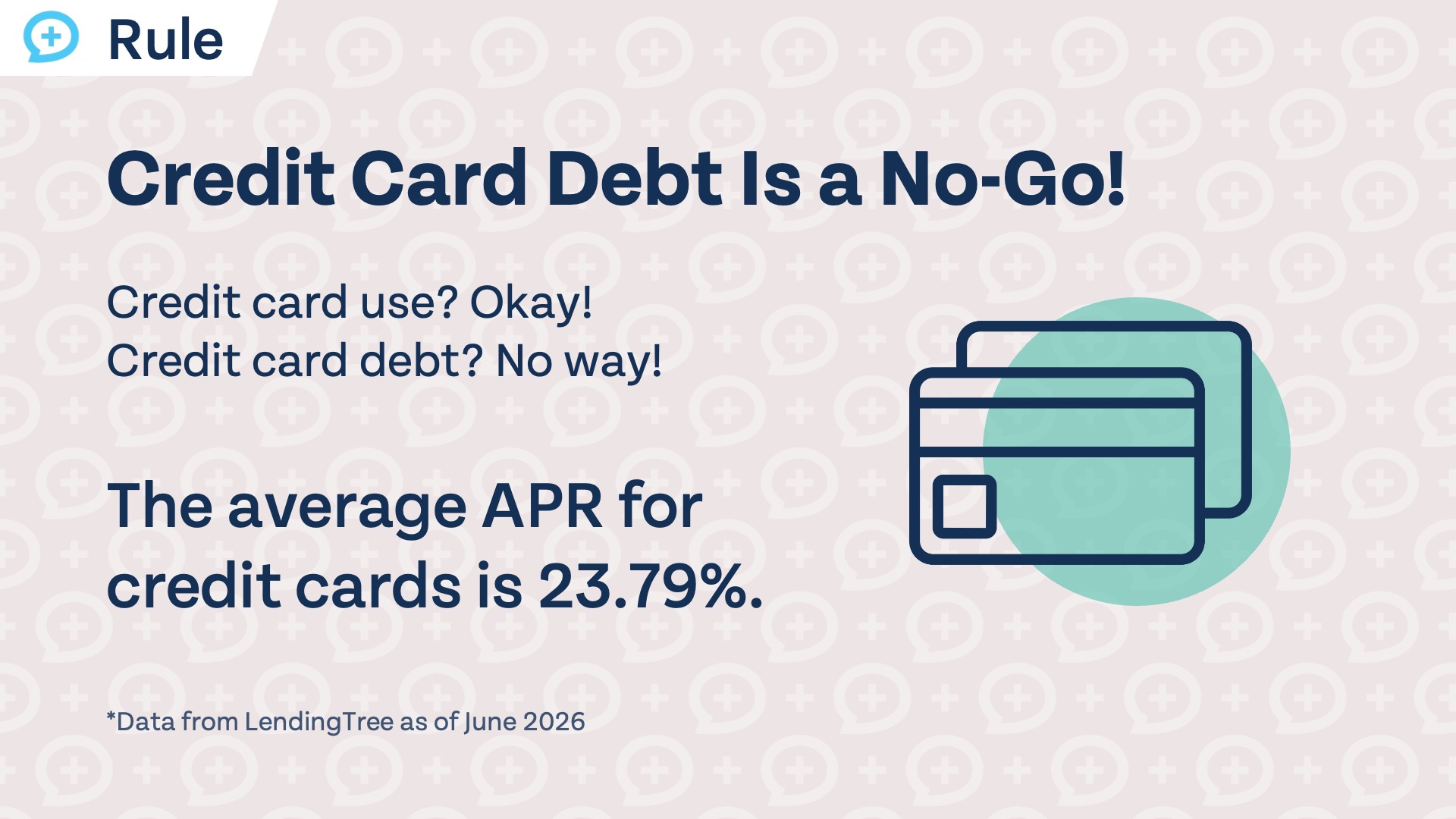
It may seem like a no-brainer to use credit cards, and for many people, it is. They offer rewards, greater protection against fraud and issues with purchases, extended return windows, and some even offer price matching and insurance. But if you can’t control your credit card spending, you shouldn’t be using credit cards. Interest rates are punitive and much higher than you can reasonably expect to earn investing. If you have a history of carrying a credit card balance, it may be best to use cash/debit cards instead to rein in your spending. As great as the benefits of credit cards are, they pale in comparison to the damage that credit card interest rates can cause to your finances.
Share image


Interested in learning more about the psychological aspect of personal finance? Check out our guide to mastering your money mindset.
Benefits of using credit cards
Copy link to this section: Benefits of using credit cards
Copied the URL to your clipboard!
Copy link to this section: Benefits of using credit cards
Copied the URL to your clipboard!
Credit cards are usually the most convenient way to pay for a transaction. It is quick; all it takes is a simple tap or insert of your credit card chip into a card reader and the transaction is done. Long gone are the days of counting out the change in your coin purse or writing a paper check. One of the greatest “conveniences” of credit cards, and the biggest dangers, is that you don’t even need to have the money in your bank account to complete the transaction.
It costs merchants more to accept credit cards due to processing fees, and while some business owners charge credit card users more, the majority charge the same prices to both credit card users and those that pay in cash or cash-equivalents. This means that if you use cash or equivalents (like a debit card with no rewards) you are subsidizing credit card fees. The Federal Reserve has estimated that each household in the United States that uses credit cards receives an annual wealth transfer of $1,133 from cash users.
The benefits of credit cards go well beyond convenience and having cash users subsidize the prices you pay. Here are some other common benefits credit cards offer.
1. Fraud protection
Shop with a credit card anywhere you’d like a little extra protection. By law, your liability is limited to a maximum of $50 for unauthorized transactions, but most card issuers have zero fraud liability policies. The fraud protection that credit cards offer is one of the biggest benefits over using debit cards, and if you’ve ever been a victim of fraud, which more and more Americans are, you want to have the most protection possible.
2. Points or rewards
Some credit cards offer cash back rewards that can be redeemed as statement credits or other cash equivalents. Others offer rewards that may only be redeemed for certain things, like miles for traveling or points for gift cards. There are a wide variety of credit cards out there that offer rewards or points for just about any type of spending imaginable, and if you spend a good amount of money in a certain category or at a certain retailer, chances are there’s a credit card out there that can offer you a decent amount of rewards on your purchases.
3. Extended warranties
Potentially one of the greatest features of a credit card is extended warranties. If you are making a big purchase, like an expensive home appliance or television, use a credit card with an extended warranty feature. This could help replace the purchase later down the road if something goes wrong. Credit cards that offer extended warranties typically add one to two years of coverage onto the manufacturer’s warranty.
4. Price matching
Some credit cards will price match items, which means if you make a purchase with your credit card and the price later drops, you can get a credit for the difference. This can be an extremely useful feature if you are shopping around the holidays and happen to purchase items before they go on sale.
5. Insurance
Credit cards may offer travel or trip insurance that covers you if your flight is delayed or you lose your luggage. Using a card with this feature can be great for frequent travelers.
Disadvantages of using credit cards
Copy link to this section: Disadvantages of using credit cards
Copied the URL to your clipboard!
Copy link to this section: Disadvantages of using credit cards
Copied the URL to your clipboard!
Why would anyone not use credit cards? It’s the most convenient way to pay, you are essentially paying less for every purchase if you are receiving credit card rewards, and your card issuer may also offer benefits like price matching, extended warranties, and insurance. All of those benefits come at a price, though, and credit card companies aren’t operating out of the goodness of their heart.
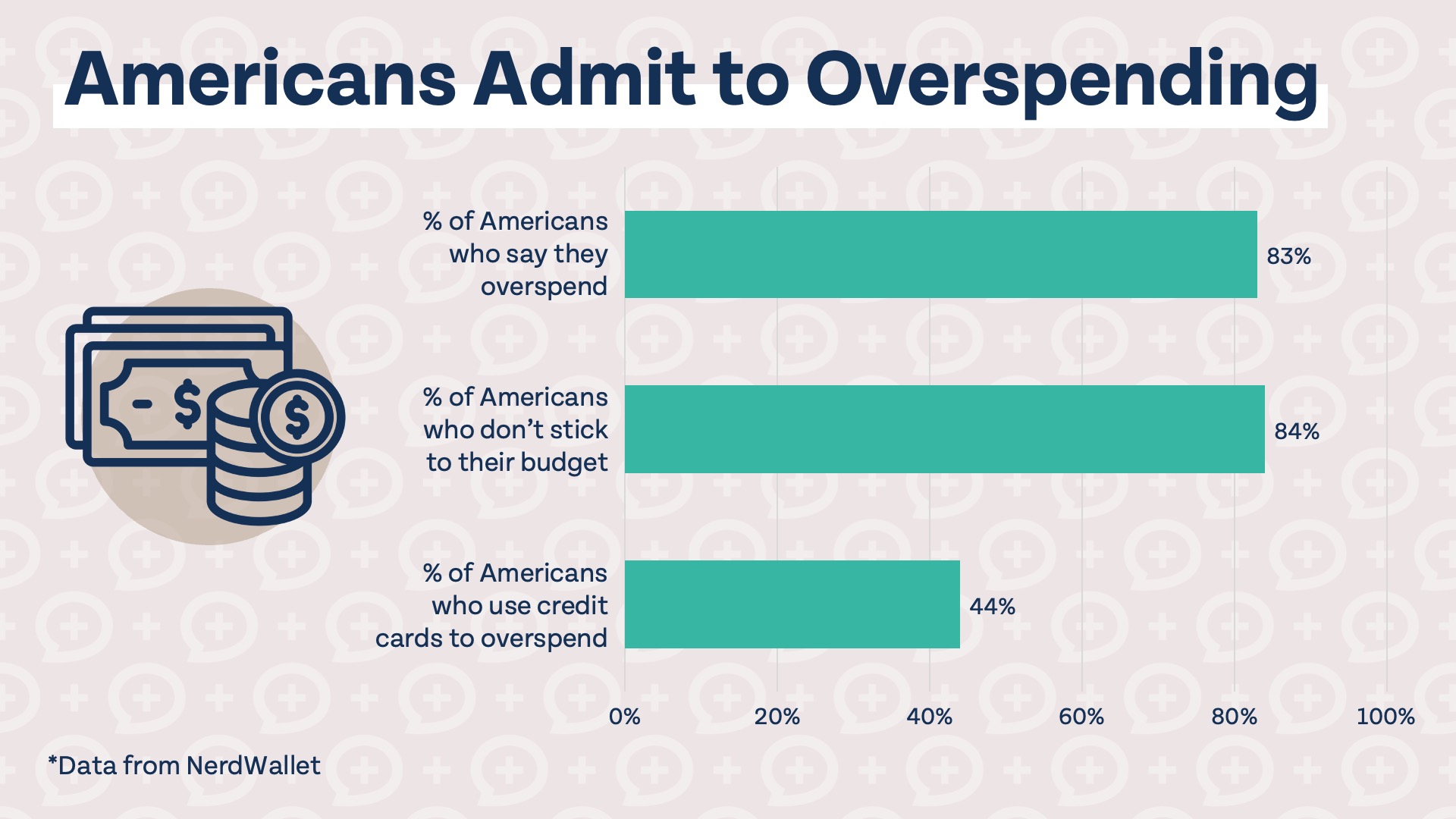
The biggest pitfall is overspending. Studies show that people spend about 12% to 18% more, on average, when using credit cards. Credit card spending often doesn’t feel as “real” as seeing money come out of your bank account or handing over cash. Even if you pay your credit cards in full every month, you still might be spending more than you would if you weren’t using them at all. Credit card rewards and other benefits can make up some of the difference, but not all. If most Americans spend 12% to 18% more when using credit cards, it’s safe to say that most Americans would be better off not using credit cards.
Get more budgeting help over at our ultimate guide to budgeting.
Share image


Unless you have the excess income to cover credit card overspending, it will naturally lead to credit card debt. That sounds scary just to type; almost like a dentist warning you that not brushing will lead to cavities, tooth decay, and eventually, root canals. Credit card debt might even be less pleasant than having work done at the dentist.
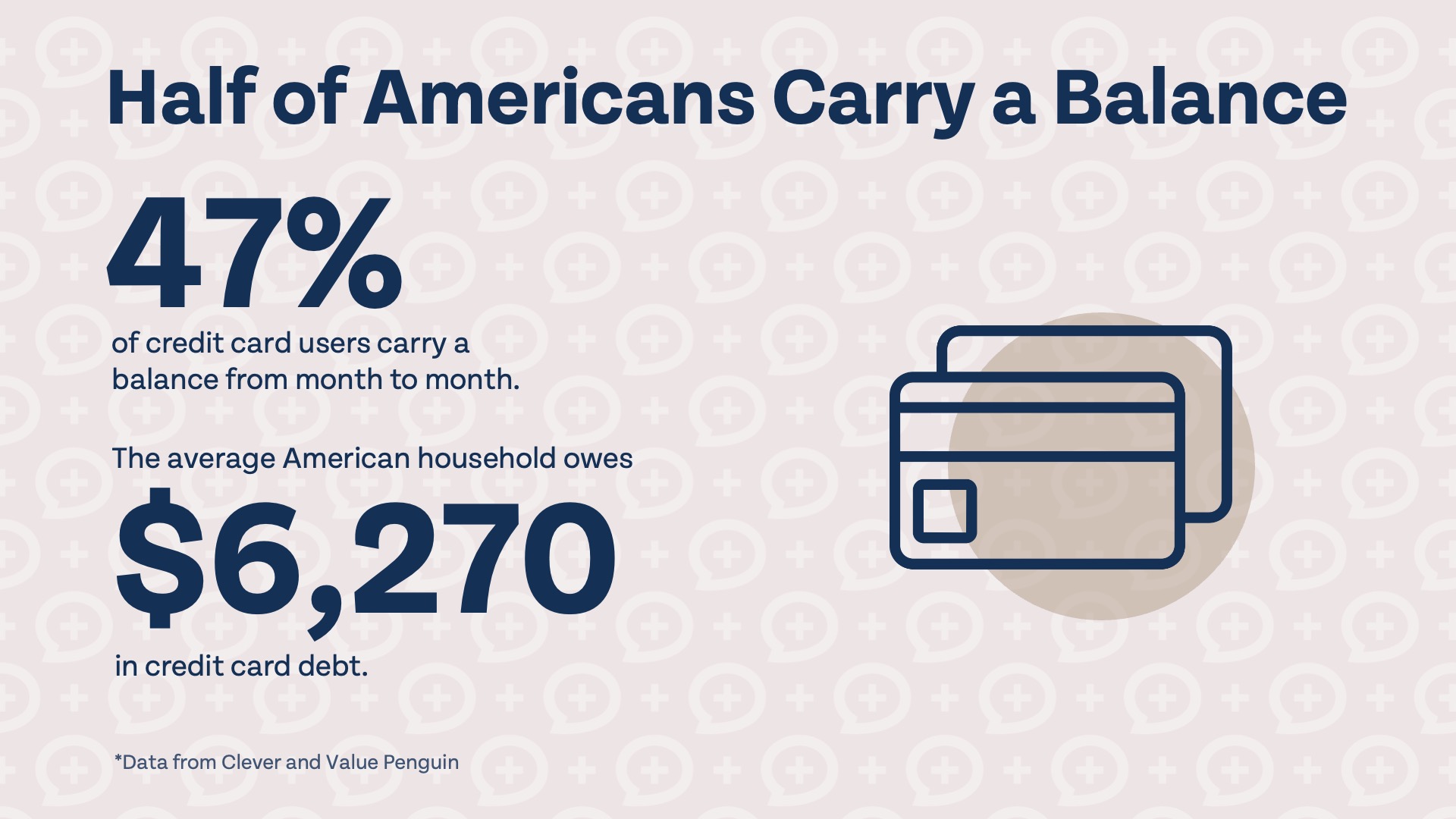
Credit card debt is extremely harmful because it weaponizes compounding interest. Not only does it use compounding interest to harm you, the average interest rate on credit cards, at 23.79% (as of July 2026), is substantially higher than you can expect to earn by investing in the stock market. Unfortunately, almost half of all credit card users carry a balance from month to month.
Share image


Credit cards can be financially beneficial when used properly, but they can be extremely damaging to your financial life if you carry a balance. If you have trouble controlling your spending when using credit cards, there is nothing wrong with foregoing the benefits of credit cards and using only debit cards. If you are an overspender and will carry a credit card balance, the benefits of using credit cards pale in comparison to the harm that carrying credit card debt can cause.
What credit cards should you use?
Copy link to this section: What credit cards should you use?
Copied the URL to your clipboard!
Copy link to this section: What credit cards should you use?
Copied the URL to your clipboard!
The right credit cards for you depend on your spending habits, and what is a good fit for someone else may not be right for you.
If you want to use the same card for everything and don’t want to keep track of which card to use for groceries, gas, travel, entertainment, dining out, and whatever other categories credit card companies come up with, the Fidelity Rewards Visa Signature credit card gets you a flat 2% back on every transaction. This card has no annual fee or limits/caps on the amount of cashback you can earn in a year.
Frequent fliers will be well-served by getting a credit card with great travel rewards. If you spend a good deal of money on flights, hotels, and other travel expenses, it is probably worth using a credit card that gives you extra cashback when you use it for travel-related expenses. If you frequently use a single airline or hotel chain, it may even be worth it to get a branded credit card such as a Delta SkyMiles credit card.
Other credit cards reward those that spend more on groceries, dining out, entertainment, you name it. If you frequent a particular retailer often, a store credit card may be worth getting, but make sure the benefits outweigh the costs. If you are curious what cards your fellow Financial Mutants are using, check out this thread of credit card recommendations on our subreddit.
Common credit card myths
Copy link to this section: Common credit card myths
Copied the URL to your clipboard!
Copy link to this section: Common credit card myths
Copied the URL to your clipboard!
1. Carrying a balance helps your credit score.
One of the longest-standing misconceptions about credit scores is that you need to carry a balance every month. This isn’t true; a 0% utilization rate won’t bring down your credit score unless you’ve stopped using your credit cards altogether. Activity on your credit cards is good because it shows you know how to use credit responsibly; no activity could bring down your score slightly because it might mean you don’t know how to use credit cards.
2. Credit cards are bad.
Credit cards aren’t bad, but they can be very harmful when used irresponsibly. Credit cards are safer than debit cards because of the stronger fraud protection, they may offer extended warranties, and many cards earn cash-back rewards or airline miles. When used irresponsibly, though, credit cards can trap you in a deep hole of debt, and the high interest rates make it difficult to escape.
3. If you can’t afford it, put it on a credit card.
Many people see credit cards as a tool to make purchases they can’t afford. Although credit cards do allow you to buy things you can’t afford, they should never be used this way. Once you start spending money you don’t have, you fall into the pit of credit card debt very quickly. It’s very easy to get into credit card debt, and almost impossible in some cases to get out.
How to get out of credit card debt
Copy link to this section: How to get out of credit card debt
Copied the URL to your clipboard!
Copy link to this section: How to get out of credit card debt
Copied the URL to your clipboard!
If you find yourself carrying credit card debt, you are not alone. Unfortunately, shame and embarrassment can hinder your ability to focus on the debt and pay it off as quickly as possible. Here’s how to get rid of credit card debt for good and relieve yourself of the stress and anxiety that always comes with high-interest debt.
1. Know how much debt you have
You may know exactly how much credit card debt you carry down to the penny, in which case figuring out how much debt you have seems like a silly suggestion. However, many Americans avoid thinking about their debt at all costs, and around 25% don’t know how much credit card debt they have. If you are part of this 25%, the first (very painful) step to getting out of debt is determining exactly how much debt you have and the interest rate on each credit card, if you carry debt on more than one card. Knowing how big the problem is makes it more difficult to ignore and helps you prioritize which credit card to pay off first.
2. Determine how much you spend each month
The next step to paying off your credit card debt is determining how much you spend each month. If you have credit card debt, chances are you may be spending more than you make (unless your debt is due to one-off spending for emergencies). Take a moment to sit down, look at all of your accounts, and categorize all of your expenses from the prior month. If you are spending more than you make, your budget is not sustainable and you will continue to accumulate more credit card debt unless you make a change. You must reduce your spending or increase your income to pay off your debt.
3. Develop a plan for paying off your debt (and stop using the card)
Once you know how much you are spending every month and have (or can make) room in your budget, next you will develop a plan for paying off your credit card debt. Make your debt a priority and a top-level budget item instead of just using whatever money is leftover at the end of the month on your debt. Dedicate as much money as possible to your credit card debt; it is in your best interest to get rid of it as quickly as possible. Financially, it is better to prioritize debts in order of interest rate and pay off the highest interest rate debts first. Some believe in paying off the smallest debts first, which may give you the motivation you need to keep going. Check out our take on the avalanche vs. snowball method if you are curious which may be right for you.
An important step of getting rid of credit card debt is making sure you don’t accumulate any additional credit card debt while you are working to pay yours off. It may make sense to only use a debit card if you are prone to overspending when using credit cards.
4. Implement your plan (and make changes as necessary)
Now that you know how much debt you have, know what you are spending each month, and have developed a plan for getting out of debt, it should be smooth sailing, right? Maybe! But maybe not. Prepare for setbacks and have a plan for when things don’t go quite as expected. What if you have an emergency vet bill of $2,000 one month? Or worse, what if you or your spouse lost their job? Everything might not go as expected when paying off your credit card debt. Your “get out of debt” plan should evolve if your financial situation changes.
If you experience unexpected expenses one month that hinder your ability to pay off debt, look for ways to make more room in your budget. Maybe it makes sense to spend a month not eating out and shopping at a discount grocer like Aldi. Hopefully your plan will go as expected or better than expected, but a willingness to make changes to your plan and make sacrifices might be necessary to ensure your success.
Check out our Financial Order of Operations for more tips on getting out of high-interest debt.
Nobody wants to have credit card debt, and rarely does anyone plan to take years and years to pay off their cards. Credit card debt usually starts small. It’s easy to make a purchase on your card without the money to pay for it. After all, you can just pay off your credit card when you get paid and you won’t even owe any interest. What’s the harm in that? But maybe you have a minor financial emergency right after you get paid. You have to use your paycheck to take care of the emergency, but that’s alright. You can pay off your credit card next month.
Next month comes around faster than you expected and after last month’s financial emergency, you aren’t sure you have enough money for groceries and gas this month, much less extra money to pay off your credit card. The stress from worrying about money could lead you to make more poor financial decisions. Spending money on your credit card helps you forget that you don’t actually have the money to be spending on your credit card, if only for a moment. Next month your credit card balance and stress both grow and the cycle continues.
It is all too easy to fall into credit card debt. Remember that you are not alone and this is a trap that ensnares millions of Americans. It may not feel like it right now, but it is possible to get rid of your credit card debt completely and never look back.
FAQs
Copy link to this section: FAQs
Copied the URL to your clipboard!
Copy link to this section: FAQs
Copied the URL to your clipboard!
What is the difference between a hard inquiry and soft inquiry?
A hard inquiry is counted against you on your credit report, and may lower your score by a few points, but a soft inquiry is not. A hard inquiry usually occurs when a lender is evaluating you for a new line of credit. If you already have a line of credit and you are looking to increase it, this may only count as a soft inquiry. If you check your own credit score, that also counts as a soft inquiry. Lenders and banks will always let you know whether or not they are making an inquiry into your credit that will show up on your credit report. It is not legal for someone to place a hard inquiry on your credit file without specific permission to do so. If you notice an inquiry on your report you didn’t make, you may be a victim of identity theft. Victims of identity theft will need to contact the 3 credit bureaus to report fraud and place a freeze on your credit.
Does buy now, pay later (BNPL) count as credit?
Buy now, pay later (BNPL) is a type of short-term credit that you can use to pay for almost anything these days, from a new computer to fast food. Purchases are divided into a small amount of payments (the standard is a “pay in four” model) and are usually interest-free unless you miss a payment or spread your payments over a longer period of time.
Proponents of BNPL say it is better than using credit cards because payments are usually interest-free. While that may be true, about half of BNPL users have made a late payment in the past year, which usually incurs interest and/or fees. And unlike credit cards, BNPL typically offers no tangible benefits to users like rewards, additional protection, or extended warranties.
Buy now, pay later comes with all of the pitfalls of credit cards but none of the benefits. It is designed to get you to spend money you don’t have, and if you are a responsible spender, there is no reason to use it instead of paying with a credit card.
When do I need to pay my bill?
At the end of a month-long billing cycle, your credit card company will issue a billing statement, which must be paid in full to avoid any interest charges. Your billing statement will include the payment due date, and that is the date you must pay your balance in full to avoid any interest charges. There is a grace period of typically around three to four weeks from the time the statement is issued to when payment is due.
You should only use credit cards if you are able to pay your bill in full every month, but if you find yourself unable to pay your entire balance, you need to at least make the minimum monthly payment. Paying only part of your balance means you will incur interest on the remainder, but it is much better than missing a payment entirely.
Can I use my credit card at the ATM?
Many credit cards allow you to use them for a cash advance, which you should never do. Credit card companies typically charge an upfront cash advance fee of 3-5% or $10, whichever is greater, and start charging a higher APR immediately on your cash advance, with no grace period. If you need to withdraw cash, only take money out of a checking account or savings account.
Should I close cards I no longer use?
If you’ve been using credit cards for some time, you may have a card or cards that you no longer use. It may be tempting to close any accounts that are not in use, but this could have a negative impact on your credit. Before closing any accounts, review how they will impact your average age of accounts, number of accounts, and total available credit. In general, it may not be a good idea to close a card if you have had it for a long time, it has a high credit limit, or is one of your only credit cards.