Last Updated
November 8, 2026
Read Time
Share
What is a money mindset?
Your “money mindset” is the set of beliefs and attitudes about money that influence how you spend, how you save, and how you invest. Whether you recognized it or not, your money mindset has been formed and shaped by a lifetime of experiences with money.
If you don’t currently have a healthy relationship with money, it’s never too late to change how you think about your finances. This guide will be aimed at building, or rebuilding, the basic foundation upon which your financial life is built.
Get our free resource “What’s Your Money ‘Why’?” download to discover more about your relationship with money.
How is your money mindset formed?
Copy link to this section: How is your money mindset formed?
Copied the URL to your clipboard!
Copy link to this section: How is your money mindset formed?
Copied the URL to your clipboard!
Your mindset about money starts forming at an early age. Think back to the first encounters you had with money; maybe it was saving coins in a piggy bank so you could buy yourself a treat, or receiving some cash in a birthday card from one of your uncles. No matter how seemingly mundane of an experience, those early encounters with money can shape how you think about finances for the rest of your life.
A study found that core money habits, including delayed gratification and planning ahead, form around age 7. For better or for worse, the habits your parents teach you as a kid will impact your money mindset for the rest of your life. Important milestones like getting your first job, opening a bank account, paying your first bill, and moving out on your own, can all alter the course of your money mindset.
A note from the author, Daniel May, CFP®, about forming his money mindset:
For me, budgeting was an essential part of building a healthy relationship with money. Without a budget, I spent every single dollar I made every month. If for some reason I had money leftover at the end of the month, I would find something to spend it on. Maintaining a budget helped me realize how wasteful some of my spending was. It helped me set financial goals and earmark money for future saving and spending. I used (and still use) the popular app YNAB, which is built around the idea of giving every dollar a job right when you earn it.
It is impossible to win by comparing yourself to others financially. There will always be someone that has more money than you or a nicer house, car, or clothes. My family was not poor growing up but we certainly weren’t wealthy. When I was a kid, I wanted brand-name clothes to signal to others that we were just as well off as they were. I felt ashamed that other kids got the latest video game console for Christmas and we didn’t. I wondered why we used so many coupons at the grocery store when other families got by using none at all.
It wasn’t until I became an adult with a full-time job that I realized I was actually proud of my parents’ financial habits. We didn’t usually get the latest clothes or video games, but we always had food to eat, clean clothes to wear, and a warm bed to sleep in. I had spent my entire life, until about the age of 25, longing to have as much as everyone else. But I discovered that wasn’t nearly as important as I once thought it was. Who cares if I have name-brand clothes if I like what I’m wearing? So what if we use coupons at the grocery store? Many wealthy people love to be frugal and save money.
Resisting the urge to compare yourself to others financially is much easier said than done, but comparison can prevent you from being happy with what you have and keep you on a financial hamster wheel, always racing towards the top that you will never reach.
Scarcity vs. abundance mindset
Copy link to this section: Scarcity vs. abundance mindset
Copied the URL to your clipboard!
Copy link to this section: Scarcity vs. abundance mindset
Copied the URL to your clipboard!
A scarcity mindset, when it comes to money, can lead to harmful beliefs that impact your ability to thrive and have a healthy relationship with your finances. Check out the table below for an example of some of these limiting beliefs, and how you can fix them and shift into a mindset of abundance.
| Belief | Behavior | The Money Guy Fix |
|---|---|---|
| I will never have enough | Addicted to saving and not able to spend freely | Know exactly how much you should be investing to accomplish your goals |
| I could die before I have the chance to enjoy it | Overspending and not saving enough for the future | Don't forget to enjoy the present, but recognize that you will more than likely live a long, healthy life |
| Spending less wherever I can is always a good thing | Being overly frugal when it comes to purchases you probably should spend more on | Learn when it makes sense to spend more on a purchase and when it doesn't |
How much should you save?
The table below shows how much you would need to invest (starting from $0) to replace 80% of your pre-retirement income at your target retirement age. To use the chart, find your current age in the very first column, and then your target retirement age in the very first row. For example, if I am currently age 33, and want to retire at age 60, I would need to invest 32% of my income now to replace 80% of my income in retirement.
45 50 55 60 65
20 30% 20% 13% 9% 6%
21 33% 22% 15% 10% 7%
22 37% 24% 16% 11% 8%
23 41% 27% 18% 12% 9%
24 45% 29% 20% 14% 10%
25 50% 32% 22% 15% 11%
26 55% 36% 24% 17% 12%
27 61% 39% 27% 18% 13%
28 68% 43% 29% 20% 14%
29 75% 48% 32% 22% 16%
30 84% 53% 35% 24% 17%
31 58% 38% 26% 19%
32 64% 42% 29% 20%
33 71% 46% 32% 22%
34 79% 51% 35% 24%
35 87% 56% 38% 27%
36 61% 41% 29%
37 68% 45% 32%
38 74% 49% 34%
39 82% 54% 37%
40 59% 41%
Signs of an unhealthy relationship with money
Copy link to this section: Signs of an unhealthy relationship with money
Copied the URL to your clipboard!
Copy link to this section: Signs of an unhealthy relationship with money
Copied the URL to your clipboard!
Being “good with money” is often thought of as an inherent trait that you either have or you don’t.
That couldn’t be further from the truth.
A healthy relationship with money is cultivated over time, just like going to the gym, eating healthy, or brushing your teeth. If you neglect your relationship with money, bad habits will replace good ones and your financial life will decay.
Building a healthy relationship with money isn’t necessarily difficult (although it can be if you are trying to overwrite a poor relationship with money), but it does require consistent reinforcement of positive financial behaviors. Spending less than you make, investing for retirement, and paying off debt are a few high-level examples of these positive financial behaviors.
Do you have any signs of an unhealthy relationship with money? Check to see if any of the following statements resonate with you.
- I avoid checking credit card statements or bank account balances.
- I often feel guilty for purchasing things.
- I hoard assets, like cash, gold, or collectibles, instead of investing.
- I feel like I spend above my means.
- I often spend money to keep up appearances or keep up with others.
- I frequently have fights with my spouse or significant other about money.
How to change your money mindset
Copy link to this section: How to change your money mindset
Copied the URL to your clipboard!
Copy link to this section: How to change your money mindset
Copied the URL to your clipboard!
It isn’t easy to change your money mindset, but it is possible. If you are trying to overwrite decades worth of limiting beliefs and negative experience overnight, that simply won’t happen. If you follow the steps below, you can start the course to a healthier relationship with money.
1. Teach yourself about money
Many Americans are financially illiterate, and you may be one of them – and that’s okay! It is easier than ever to educate yourself about money and learn how to actually build wealth.
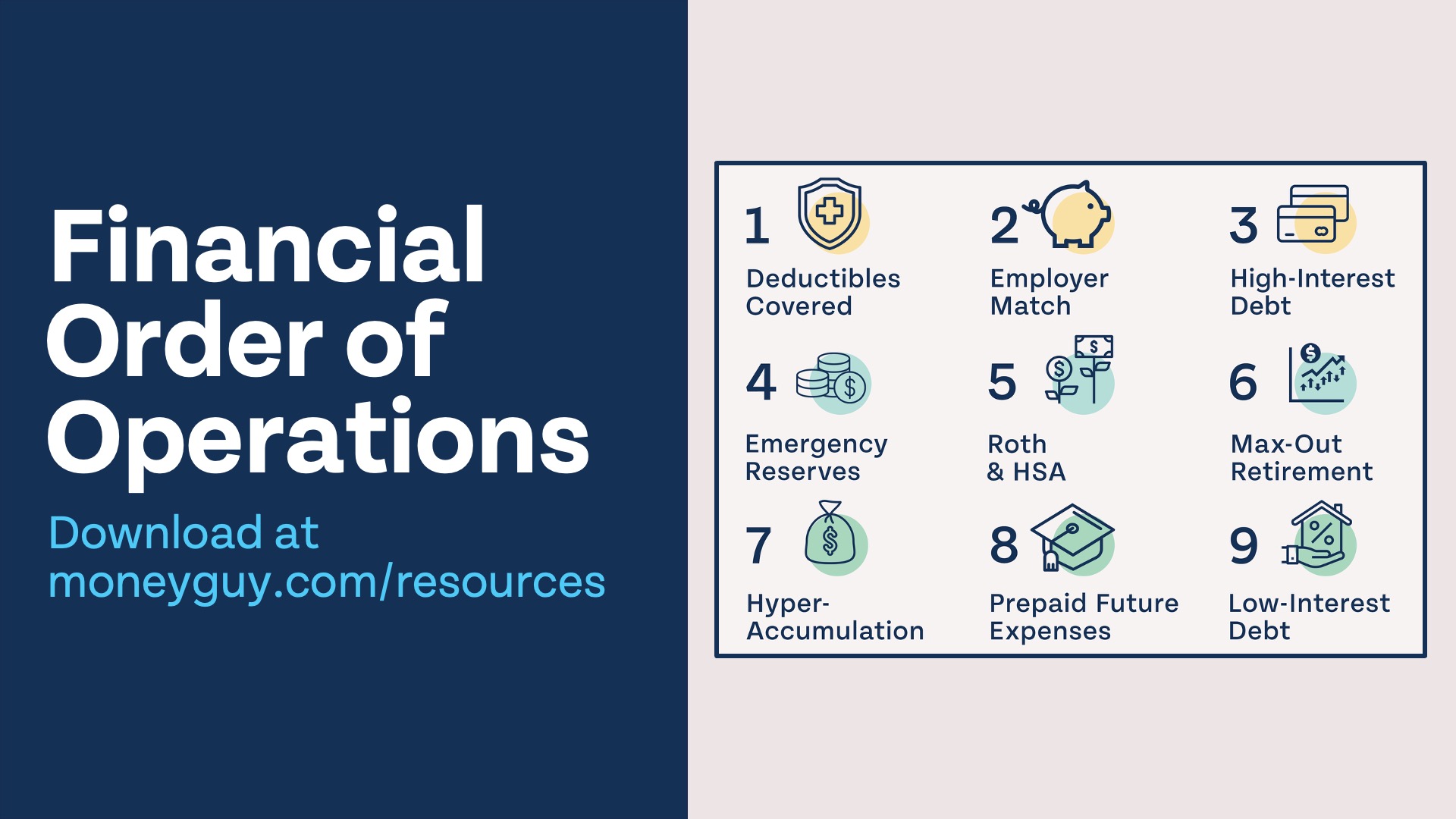
The Money Guy Show is a great place to educate yourself about money. No matter whether you are just trying to get out of debt and stop living paycheck-to-paycheck or are searching for advanced investing strategies beyond your run of the mill Roth IRA and 401(k), we have content to help you. The Financial Order of Operations is an incredible starting point for anyone that isn’t sure exactly what to do next.
When it comes to educating yourself about personal finance, take a proactive approach rather than a complacent one. Approach it with an open mind. What you learned when you were younger may not be true.
2. Make a plan to spend less than you make.
The most basic step to being successful financially is spending less than you make. You must spend less than you make in order to save, invest, or pay off debt. If you are in a tough situation financially, it is much easier said than done.
To spend less than you make, you have two options: decrease your spending or increase your income. There’s no right answer for everyone. You may not have any room left to decrease your spending, or it may not be possible for you to increase your income much, or you may need to both decrease your spending and increase your income to be successful.
If you don’t know if you can lower your expenses, or how much you could lower your expenses, I’d like you to open a spreadsheet (Google Sheets is a great free option) and enter in every single expense you had last month. Use the cell shading feature to color code the cells.
You can use whatever colors you’d like, but we suggest using green to notate necessary expenses (rent or mortgage payment, gas, utilities, groceries, loan payments, etc.), yellow to notate non-essential expenses (dining out, fun money, etc.) and red to notate any “regretted” expenses (why did I spend money on that?).
How much could you save every month if you cut out all of the red spending? How much could you save if you cut out some of the yellow spending? If you don’t normally track your expenses, this experience could be eye-opening for you.
You might realize that all you need to do to be successful financially is eliminate certain expenses. However, that may not be the case. Maybe you don’t have any expenses left to cut, or feel like expenses you could cut would cause more harm than good.
If you feel like you don’t have any room to cut your expenses, or if solely cutting your expenses isn’t enough, the other way to spend less than you make is to increase your income. Increasing your income is more possible than ever, and it can take MANY different forms.
Maybe for you it’s as simple as taking on extra hours at work, if you have the capacity. If you have marketable services you could consider taking on clients as a freelancer if your full-time job allows.
Changing industries entirely may be necessary if you feel like you are in a dead-end career without the potential for growth. If you have extra time, there are plenty of side hustles out there that require little to no skill.
3. Rewire your brain to practice deferred gratification.
Everyone who is able to spend less than they make and invest for the future has one thing in common: the ability to practice deferred gratification. It comes naturally to some but for most of us it is very difficult to do.
Our brain naturally wants gratification now. Saving for retirement is especially difficult because you don’t have to delay gratification for hours or days or even weeks or months, but years and likely decades. How in the world do you put money away and not touch it for decades when you have the option to enjoy that money now?
A great first step is to know what every dollar invested today could turn into by retirement. Sure, it doesn’t feel great investing $100 for retirement when you can instead spend that $100 today. But what if I told you the decision isn’t between $100 now and $100 in retirement?
If you are 20 and invest $100 earning 10%, compounding monthly, for 45 years, until age 65, you would actually have $8,835. So the decision now is between spending $100 now or $8,835 at age 65. Even though our brains are wired to want gratification now, it’s pretty easy to see how much you can be rewarded by waiting.
It can still be really difficult for us to actually save that money instead of spending it. Sure, you might have $8,835 at 65, but what does that even look like? You know exactly what that $100 will get me today and how much I’ll enjoy it.
A zero-based budgeting software such as YNAB can essentially help trick you into living below your means. The idea is that by giving every dollar a job and a purpose, you don’t feel like you have money left over every month.
You may feel “broke” because you are utilizing every single dollar you make. Except instead of spending every single dollar you make, you are investing for retirement and saving for emergencies and other large expenses.
4. Start the Financial Order of Operations
Once you have a cash surplus every month and are spending less than you make, you are ready to tackle the Financial Order of Operations. Check out our ultimate guide to the FOO if you are unfamiliar with the steps or want to learn more about starting.
The first step is to build a baseline emergency fund to cover your highest insurance deductible. Check all of your policies, like homeowners, car insurance, and health insurance, and use your new-found cash surplus to build enough to cover the most expensive deductible in a high-yield savings account.
Building this baseline protection from emergencies can keep you from going into debt to cover unexpected expenses. You are well on your way to being a regular Financial Mutant – before you know it you’ll be contributing to Roth IRAs, HSAs, and tracking your net worth every single year. The difficult part of the journey is already behind you – once you are living below your means and practicing deferred gratification, building wealth is surprisingly simple.
Share image


5. Give yourself permission to spend a healthy amount
A big part of having a healthy relationship with money is being able to spend money that you know you can afford to spend without feeling guilt or shame. People of all levels of wealth and income struggle with this.
One major reason we’ve noticed people struggle to spend money on unnecessary expenses is uncertainty about their financial habits. They don’t truly know whether they are saving enough for the future, so out of an abundance of caution, they severely restrict their spending to save even more. It is difficult to find a perfect balance, and you can quickly go from not spending enough (as crazy as that sounds) to overspending.
The key to finding a perfect balance is identifying all of your financial goals, determining what you need to do to achieve those goals, and implementing a plan that aims to account for as many “unknowns” as possible (such as investing returns, changes in income, big life events, and inflation, just to name a few).
Our Know Your Number Tool is a good place to start thinking about those goals and what they will take to accomplish. Meeting with a fee-only financial advisor is a great next-step for those who would benefit from a second set of eyes or financial co-pilot.
A healthy relationship with money doesn’t develop overnight. If you currently believe you have an unhealthy relationship with money, it is possible to overcome prior habits and beliefs, but it takes time. Starting the work today is very much worth it and can lead you to feeling happier, more secure, and confident in your finances.
When can I give myself permission to spend?
Copy link to this section: When can I give myself permission to spend?
Copied the URL to your clipboard!
Copy link to this section: When can I give myself permission to spend?
Copied the URL to your clipboard!
Being tight with money can be a great financial habit when you are earlier in your wealth-building journey, but can hinder you later in life. You will reach a point in life where you need to have the ability to give yourself permission to spend money on nice things. It can be difficult to flip the switch from saver to spender and many of our own clients at Abound Wealth struggle to give themselves permission to spend.
How do you know when you can give yourself permission to spend? There are three main signs. The first one is that you are following the Financial Order of Operations. This doesn’t mean you’ve completed the steps, but just that you are generally doing the steps in order.
The second sign is when you are able to invest what you know you should be investing for retirement, generally 20% to 25%. Reaching your target investing rate is a big milestone on the way to financial success.
The third sign is when your portfolio is working harder than you are. This happens when you make more from your portfolio than you do from working. Once you meet all three criteria, it’s probably safe for you to start spending.
Start Rebuilding a Healthy Relationship With Money Today
Subscribe to our free newsletter to start thinking differently about money and joining others on the path to financial success.
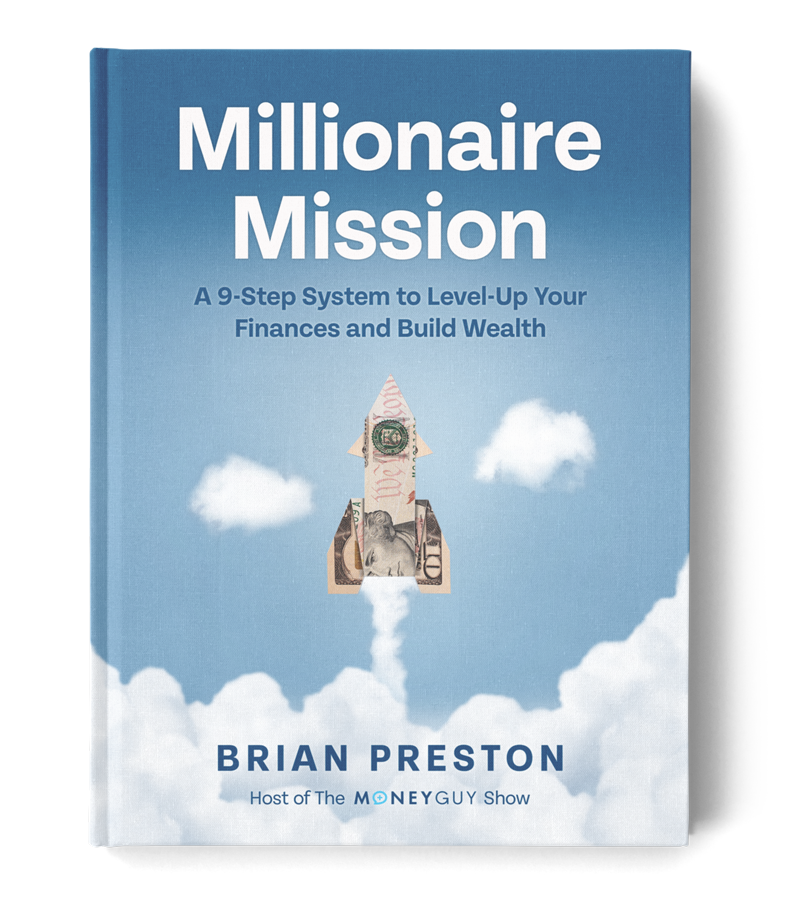
Begin Your Own Millionaire Mission Today
Millionaire MissionIf you are starting out, your future is bright if you can grab these financial truths. If you are a seasoned, seven-figure success story, you will find tips to help you fine-tune the details. If you are behind, this can be your resource to catch up and overcome. I hope Millionaire Mission is your financial rocket fuel, propelling you to your more beautiful tomorrow!
– Brian Preston
How millionaires think about money
Copy link to this section: How millionaires think about money
Copied the URL to your clipboard!
Copy link to this section: How millionaires think about money
Copied the URL to your clipboard!
Comparison can be a thief of joy and that is especially true when it comes to money. There will always be someone who makes more money than you, has a nicer car, and a bigger house. Comparing your progress to others can be a useful tool when used correctly. Looking at the average net worth by age, for example, can tell you whether you are ahead or behind your peers when it comes to accumulating wealth.
We conduct an annual survey of our millionaire clients that allows a glimpse behind the curtain of how the wealthy actually live. The truth is probably more boring than you’d think, but by understanding how real millionaires live and what they prioritize, you can better understand what’s required to become a millionaire.
Note: all stats below are from our annual survey of clients. Check out our latest Financial Mutant Survey Show for our annual audience survey.
High incomes make it easier, but aren’t required
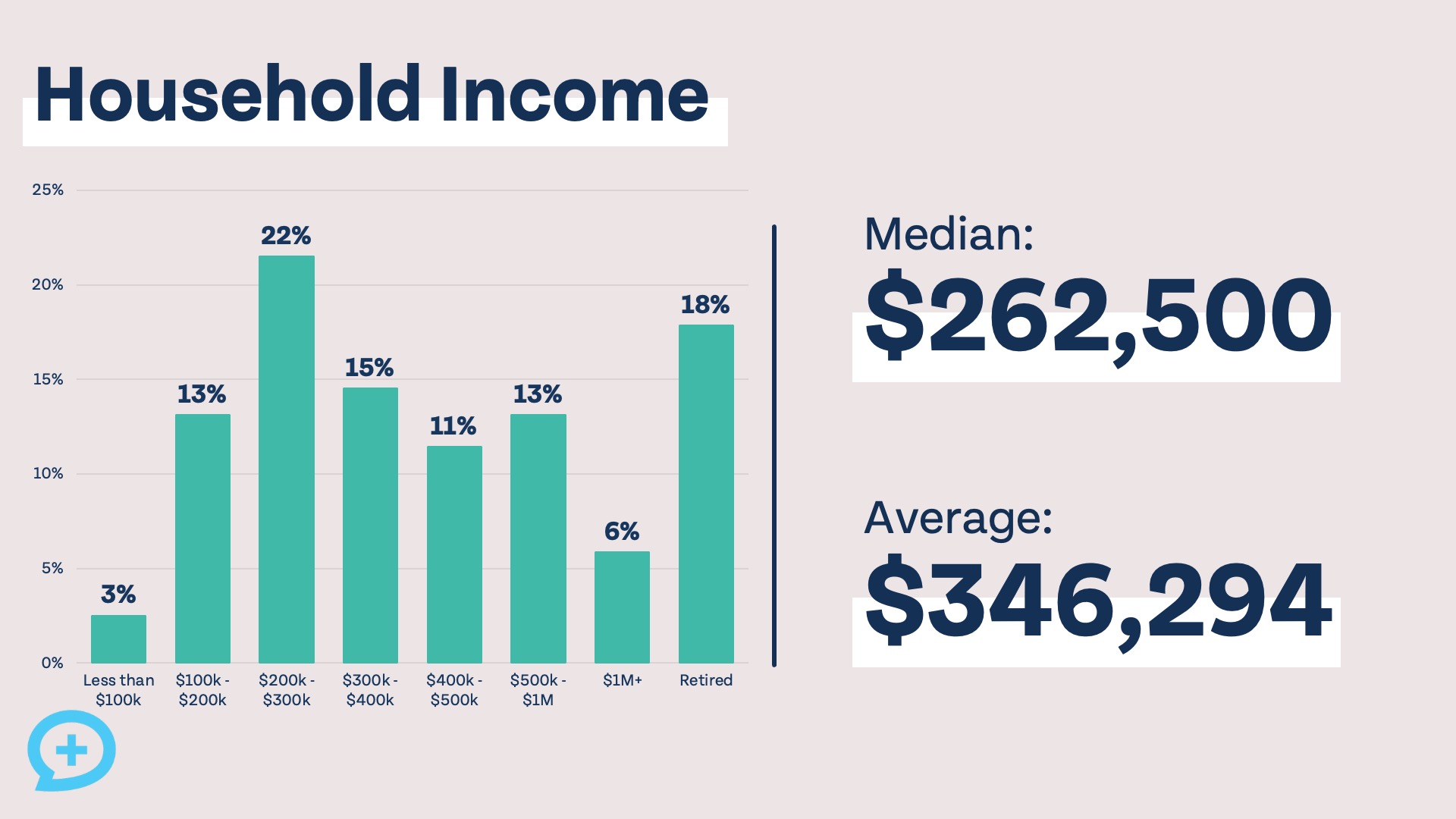
All else being equal, the higher your income, the easier it will be for you to build wealth. But an extremely high income is not a requirement to build wealth. A sizable portion of our clients have a household income under $200,000 annually.
In fact, it’s astonishing how little you need to invest to reach $1 million by retirement if you start saving at a young age. Assuming a 10% annualized rate of return, you would need to invest just $95 each month starting at age 20 to reach millionaire status by 65.
Check out our Wealth Multiplier to see how much you need to invest each month to become a millionaire.
Share image


Emergency funds are a must
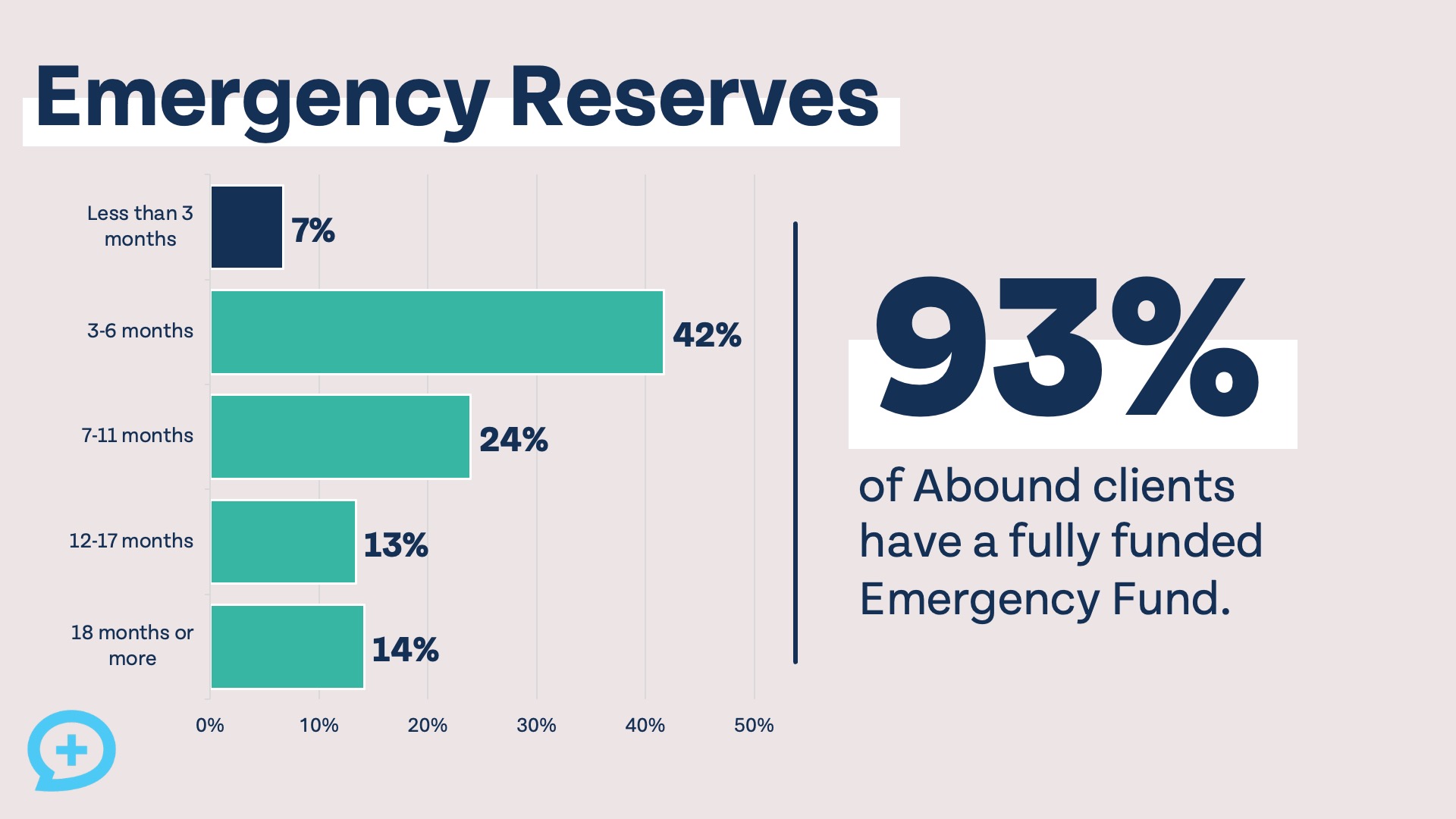
An adequate emergency fund helps keep your financial life out of the ditch and is a must. It should come as no surprise that 93% of our clients have a fully funded emergency fund.
The general guideline for a fully funded emergency fund is three to six months worth of expenses, but may be different for you depending on your cash needs, job situation, and more. Check out this article for more on how big your emergency fund should be.
Share image


Drive your car until the wheels fall off
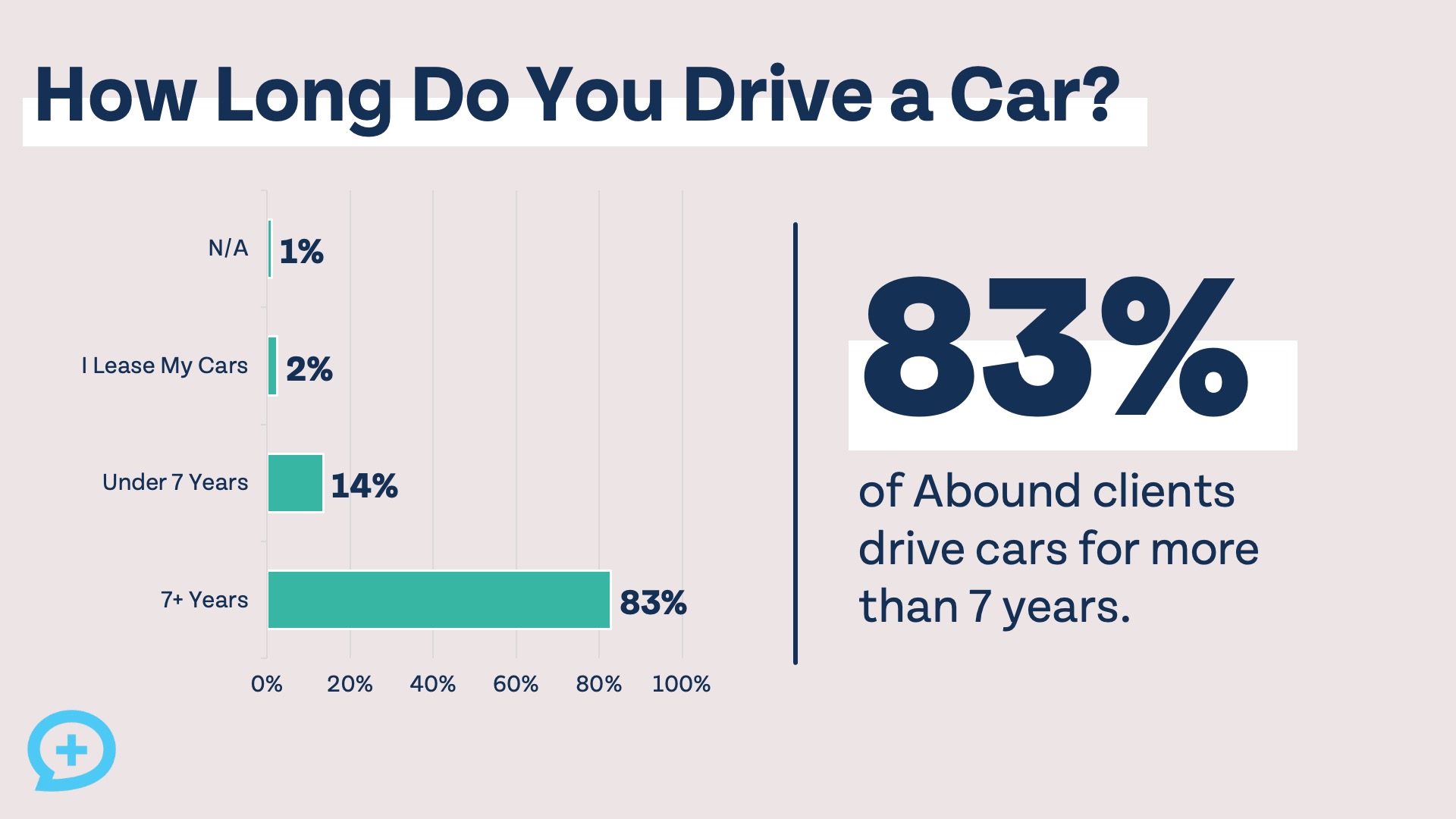
Cars are financial liabilities. They start depreciating the second you drive it off the lot. Millionaires know this, and that’s why 83% of our clients drive their cars for seven or more years before replacing them. Having reliable transportation is very important, but don’t upgrade your vehicle more often than necessary.
Share image


20% down on your first home is uncommon
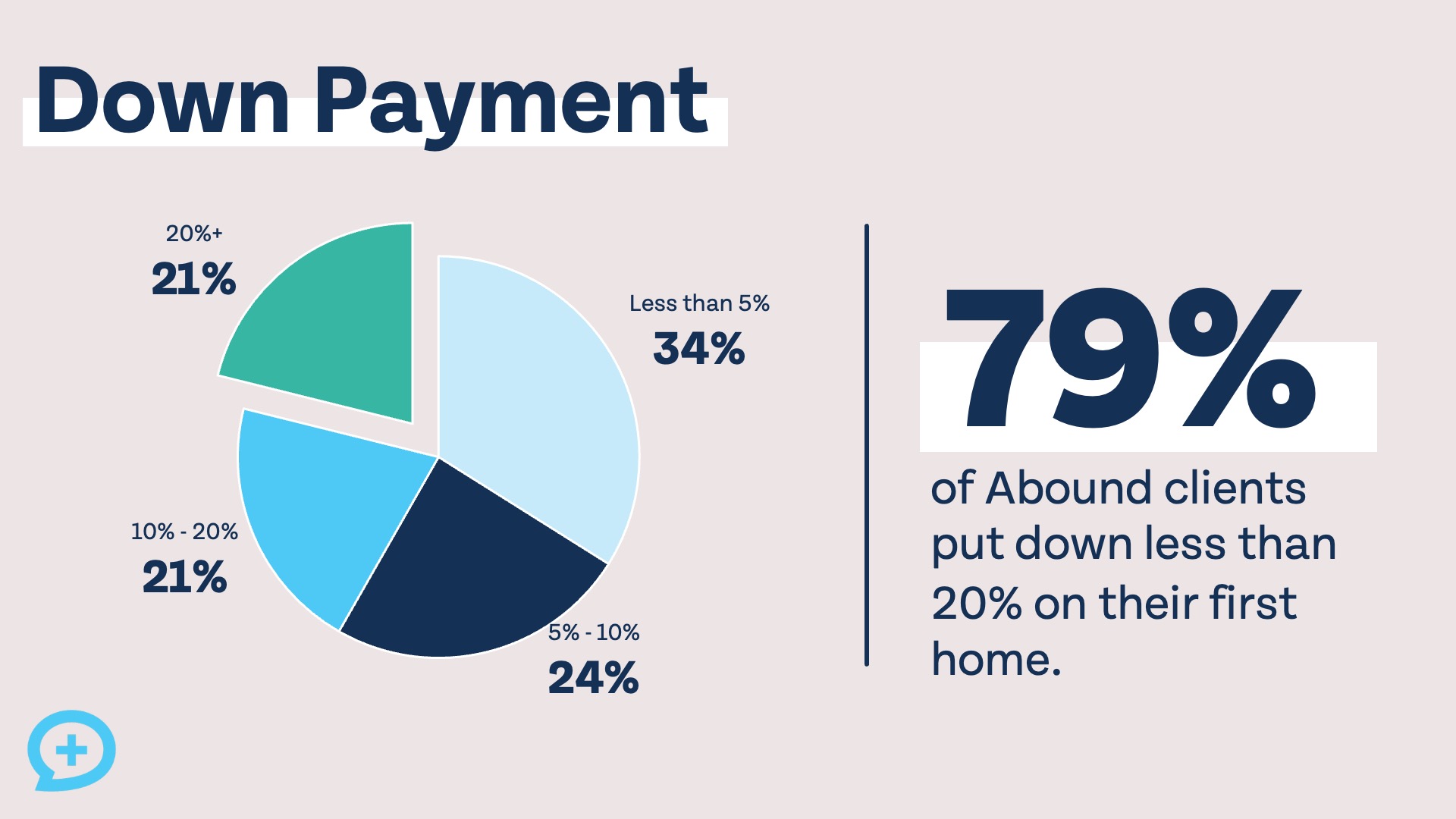
Putting 20% down when buying your first home is extremely difficult to do. That’s why our Money Guy rule for buying a home allows you to put down 3% to 5% (on your first home only).
While some of our clients have put down 20% or more on their first home, the majority, 79%, put down less than 20%. Putting down 20% on your first home is not a requirement to build wealth.
See how much house you can afford by using our home buying calculator.
Share image


Invest for retirement
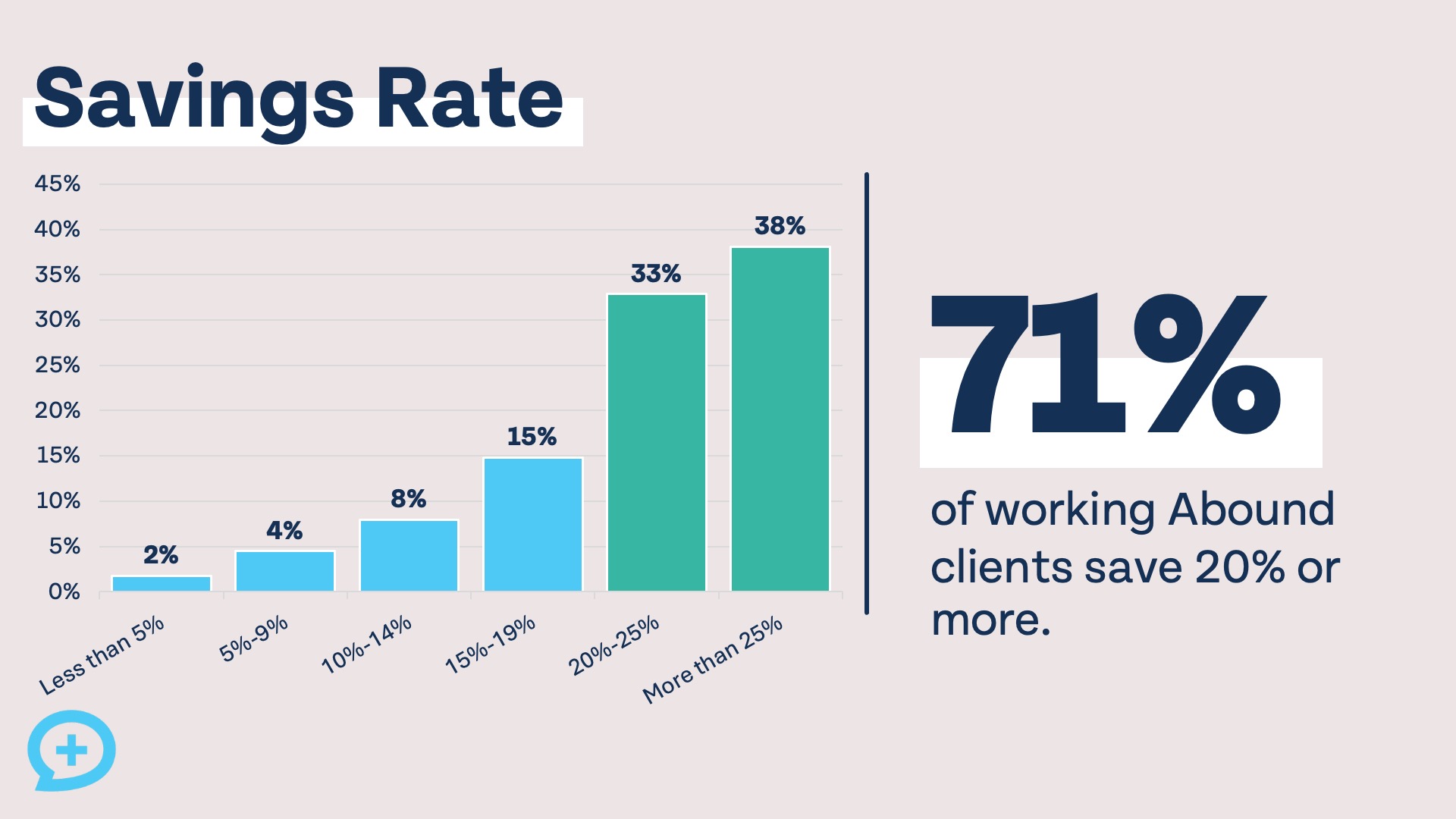
Investing a healthy amount for retirement is almost required to build wealth. Sure, you can build wealth by saving cash, becoming an entrepreneur, or winning the lottery, but getting rich slowly by investing is the easiest and most-followed path. It should come as no surprise that a majority of our millionaire clients are investing more than 20% of their income for retirement.
Share image


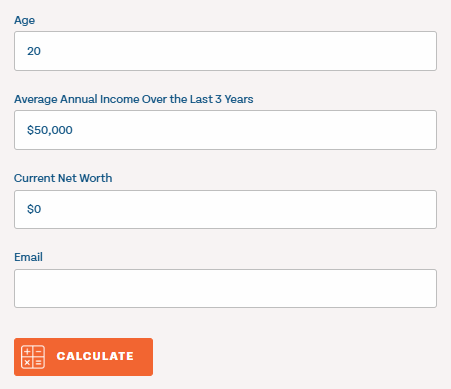
Free Calculator: Are You a Prodigious Wealth Accumulator?
How have you done so far accumulating wealth? Enter your age and income along with your current net worth to see how you stack up.
Are You a Prodigious Accumulator of Wealth?
FAQs
Copy link to this section: FAQs
Copied the URL to your clipboard!
Copy link to this section: FAQs
Copied the URL to your clipboard!
What is a money mindset?
Your “money mindset” is the set of beliefs and attitudes about money that influence how you spend, how you save, and how you invest.
Can you change your money mindset?
Absolutely! It isn’t easy to change these beliefs and attitudes, though, since they begin forming as a child. Here’s a quick rundown of the steps to change your money mindset:
1. Teach yourself about money
The Money Guy Show is a great place to start, and there is now a wealth of high-quality, free information available online about money.
2. Make a plan to spend less than you make.
If you don’t already make more than you spend, make a plan to either reduce your spending or increase your income.
3. Rewire your brain to practice deferred gratification.
Instead of buying whatever you want right when you get the impulse to spend, take some time to think about your decision. Save up for it. Make it a reward and special event.
4. Start the Financial Order of Operations
Check out our ultimate guide to the FOO if you are unfamiliar with the steps or want to learn more about starting.
5. Give yourself permission to spend a healthy amount
Although the consequences aren’t nearly as severe as spending too much, it is very possible to over save. To have a truly positive relationship with money, you need to be able to spend a healthy amount.
How long does it take?
You can’t change your money mindset overnight, but with hard work it’s possible to change how you view money over the course of several months to years.
What causes a bad relationship with money?
A bad relationship with money doesn’t have a singular cause, and there are often many contributing factors. Maybe your parents were bad with money and never taught you positive money habits. Maybe money was never a scarce resource for you growing up, so you don’t value it enough. Whatever the reasons for your bad relationship with money, it can be repaired.
How do I stop feeling guilty spending?
It’s not always easy to spend guilt-free, especially if you have a history of overspending in the past. So how do you do it? If you know you are investing what you need to invest for the future, you shouldn’t feel guilty about your spending.
How do I stop comparing myself to others?
On the surface, it may seem like just about everyone is more successful financially than you. They’re going on expensive vacations, buying the latest-and-greatest cars, and seem to have plenty of money left over to spend as they please on entertainment, dining out, or whatever they want.
What you don’t ever see are the overdrafted bank accounts, the maxed out credit cards, and the nearly empty investment accounts. Comparing yourself to others can be so harmful because you are comparing your true finances with an idealized version of someone else’s.
Do you need a high income to build wealth?
You don’t need a high income to build wealth. Assuming a 10% rate of return, you need to invest just $95 each month starting at age 20 to reach millionaire status by 65.
Check out our Wealth Multiplier to see how much you need to invest each month to become a millionaire.