Last Updated
October 7, 2026
Read Time
Share
What Is Estate Planning?
Estate planning is, at a basic level, planning for what happens to you, your money, and your possessions after you die or become incapacitated.
Not many of us enjoy thinking about this, which is a large reason why Americans are so behind when it comes to estate planning.
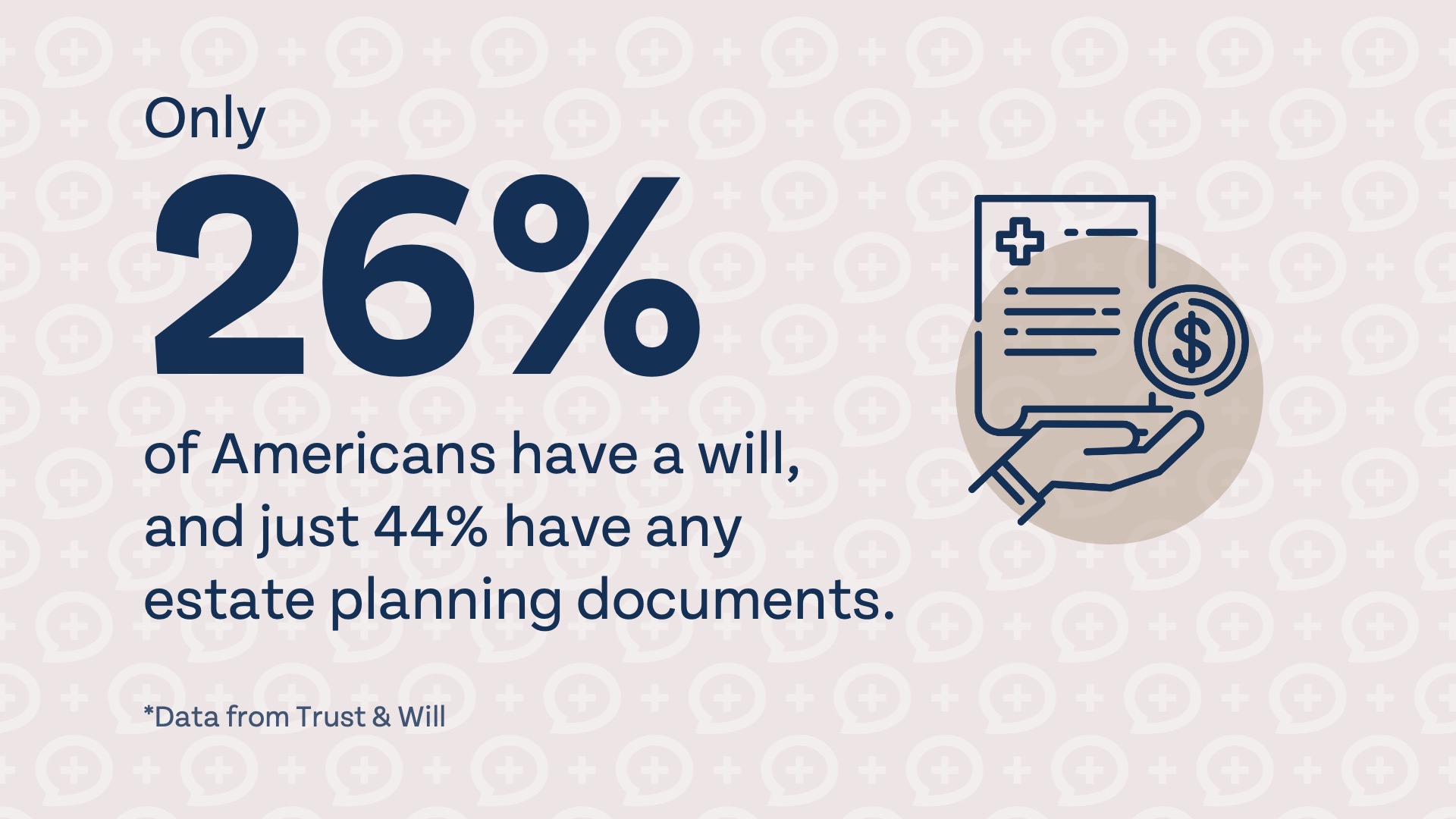
Only 26% of Americans have a will, and 56% of the country has no estate planning documents at all, which means no will, no trust, no power of attorney, nothing. Most of the population agrees that estate planning is important, at 73%, but fail to act.
In this Money Guy Ultimate Guide, we take you through estate planning fundamentals, critical mistakes to avoid, planning for different life stages, and what to do if you inherit money or are the beneficiary of someone’s estate.
The consequences of not having any estate plans in place can be severe. If you become unable to make your own medical decisions, those put in charge may not know what decisions you would like them to make.
After your death, your assets may not be distributed according to your wishes if you don’t have a will. In this guide, we cover everything from basic wills to larger complex estates, and we break it down by your current life stage, so you know what you need to do right now.
Estate planning is much more than just writing a will. It encompasses planning for all of the decisions that will need to be made when you no longer have the ability. Estate planning can include establishing wills, trusts, power of attorneys, healthcare directives, and more.
Nobody really enjoys thinking about planning what happens after they’re gone, but even if you don’t care about what happens to your assets (which you probably do), your family will benefit tremendously from a sound estate plan. Many families are left to put the pieces together after a death or incapacitation, which adds more stress to an already stressful season of life.
Contrary to popular belief, estate planning isn’t just for rich people and it isn’t just for old people. Even if you don’t have any assets when you die, you still need to plan for medical decisions and post-death decisions (such as burial vs. cremation or what happens to your kids).
Estate planning becomes more imperative the older you get, but it is not just for old people. Life is unpredictable, and while odds are you will live a long and happy life, it is always best to prepare for the unexpected.
Estate Planning Checklist: Documents Everyone Needs
Copy link to this section: Estate Planning Checklist: Documents Everyone Needs
Copied the URL to your clipboard!
Copy link to this section: Estate Planning Checklist: Documents Everyone Needs
Copied the URL to your clipboard!
Last Will and Testament
- A will expresses what you would like to happen to your assets after your death.
- You can also use a will to appoint guardians for dependents and/or pets.
- Earlier in life, an informal will or a will prepared online may be adequate. As your estate becomes more complex, you should consider paying for an estate attorney to prepare your will.
- It is very important to remember that certain assets, like retirement plans and life insurance policies, pass directly to named beneficiaries instead of through your will. Wills also do not cover medical decisions.
- Some states have different property laws than other states, so it’s always important to update your will if you move to another state and to use the services of an estate planning attorney that is licensed in your state.
Financial Power of Attorney
- A financial power of attorney appoints someone to manage your finances for you.
- An immediate financial power of attorney is effective immediately, as you might have guessed, while a springing financial power of attorney takes effect when certain conditions are met.
- It is very common for older Americans to put their adult children in charge of their finances through a financial power of attorney.
- Who you choose to handle your financial affairs, called your agent, should be someone you trust completely to make decisions in your best interest. Unfortunately, not even family can always be trusted, so don’t take this decision lightly.
Healthcare Directives
- A living will, medical power of attorney, or advance healthcare directive outlines what medical treatments you would like to be used to keep you alive in the event of a medical emergency. Specific treatments include dialysis, breathing tubes, feeding tubes, and CPR.
Trust Documents (When Applicable)
- Revocable trusts allow the grantor, or creator of the trust, to manage and make changes to the trust after its creation. Irrevocable trusts, on the other hand, cannot be modified by the grantor alone after its creation. So why would anyone ever create an irrevocable trust? Well, irrevocable trusts often offer estate tax benefits that revocable trusts do not. This benefit is useful if your total estate is expected to exceed the estate tax exemption (currently $15 million in 2026).
- A special needs trust is a tool used to provide for someone’s care while maintaining their eligibility for government benefits such as Medicaid and SSI.
| Estate Document | What It Does | Who Needs It |
|---|---|---|
| Will | Expresses asset distribution wishes after death and appoints guardians for dependents and pets. Does not cover medical decisions or assets passing directly to beneficiaries (like retirement plans or life insurance). | Anyone with assets or dependents should have a will. |
| Financial POA | Appoints a trusted agent to manage financial affairs on your behalf. Can be immediate (effective straight away) or springing (takes effect when specific conditions/incapacity occur). | Older or disabled Americans who may no longer be able to manage their own finances. |
| Healthcare Directives | Outlines medical treatment preferences for end-of-life or emergency care (e.g., dialysis, breathing tubes, feeding tubes, CPR) and/or appoints a medical power of attorney. | Anyone who wants to specify their medical wishes or appoint someone to make decisions. |
| Revocable Trust | Allows the grantor to manage, modify, or revoke trust terms and assets during their lifetime while planning for asset transfer. | High net worth families wanting flexibility in managing their estate during their lifetime. |
| Irrevocable Trust | Transfers assets out of the grantor's control without ability for simple modification, offering tax benefits. | High net worth families whose total estate is expected to exceed the estate tax exemption ($15 million in 2026). |
| Special Needs Trust | Provides financial support and care for a beneficiary with special needs without compromising their eligibility for government assistance (e.g., Medicaid, SSI). | Families or individuals providing for someone with special needs who relies on government benefits. |
Will vs. Trust
Copy link to this section: Will vs. Trust
Copied the URL to your clipboard!
Copy link to this section: Will vs. Trust
Copied the URL to your clipboard!
A will is often the first estate planning step many families take: they can be quick and easy to create and dictate how your assets will be handled after your death. A will allows you to name beneficiaries, or who inherits your property, appoint an executor of the estate who is responsible for executing your will, decide who will be granted custody of your children, and leave amounts to charitable organizations, if you wish.
A trust, on the other hand, can be effective both while you are alive and after your death. One major benefit to a trust is that it can often avoid probate where a will can not. If your privacy is important to you, this can be a big draw. A trust can be better for more complex estates, and can give you more control over exactly when your beneficiaries receive their inheritance.
Estate and Gift Taxes
Copy link to this section: Estate and Gift Taxes
Copied the URL to your clipboard!
Copy link to this section: Estate and Gift Taxes
Copied the URL to your clipboard!
Shielding your assets from gift taxes and estate taxes is only a concern for a small portion of the population. In 2026, estates valued at $15 million or less (or $30 million for a married couple) will not be subject to estate tax. Unless it is likely your estate will exceed these amounts, you currently do not need to be concerned about estate tax.
The annual exclusion for gifts is currently $19,000 for individuals or $38,000 for couples. This means you can give up to those amounts each year without worrying about using your lifetime exemption. If your giving exceeds those amounts, it just means you will need to file a tax form and count it against your 2026 lifetime exclusion of $15 million (or $30 million for a couple). If your estate will stay well below those limits, you wouldn’t need to worry about paying taxes on those gifts.
| Year | Lifetime Estate Exemption Amount | Annual Gift Tax Exclusion |
|---|---|---|
| 2024 | $13,610,000 | $18,000 |
| 2025 | $13,990,000 | $19,000 |
| 2026 | $15,000,000 | $19,000 |
How do I minimize estate taxes?
If you do expect to have an estate that exceeds the estate tax threshold, what are some strategies you can use to reduce or minimize the amount of estate tax you pay? At this level of wealth, it is worth working with a financial advisor to develop a personal strategy to reduce estate taxes. Some strategies wealthy families use to reduce estate taxes include annual gifting up to the exclusion limit, charitable contributions, funding a 529 or custodial account, and using life insurance.
State estate and inheritance taxes
12 states plus Washington DC have their own estate taxes, and 5 states have inheritance taxes. If you live in a state that has estate or inheritance taxes, it’s important to know the limits and if your estate may be subject to them so you can plan around them. Check out the latest estate and inheritance tax rates, along with which states have them, here.
Life Insurance as an Estate Planning Tool
Copy link to this section: Life Insurance as an Estate Planning Tool
Copied the URL to your clipboard!
Copy link to this section: Life Insurance as an Estate Planning Tool
Copied the URL to your clipboard!
How Does Life Insurance Bypass Probate?
As mentioned above, life insurance, as an asset with a named beneficiary, is typically not subject to the probate process and instead passes directly to the named beneficiary/beneficiaries.
The death benefit from a life insurance policy is typically not subject to income taxes or estate taxes, which can make it a valuable estate planning tool. The estate tax exemption is currently so large, at $15 million in 2026, that it is often more financially beneficial to consider other assets before life insurance (like 401(k)s, Roth IRAs, HSAs, and taxable brokerage accounts).
Should I Get Whole Life or Term Life Insurance?
Life insurance is a great tool for protecting your family in case something were to happen to you, but we believe for most situations, term life insurance offers the same protection as permanent life insurance at a much cheaper price. The drawback, of course, is that term life insurance is only for a set term and most policies expire without ever paying out a benefit.
If a term life insurance policy expires and you don’t receive any financial benefit, that does not mean you “threw your money away.” Life is unpredictable, and if everyone knew exactly when or if they would need insurance, there would be no need to purchase health insurance, car insurance, homeowners insurance, or life insurance unless you knew you would experience a need.
Permanent life insurance coverage may be a strategy worth considering for those who will exceed the estate tax exemption ($15 million in 2026) due to the general tax-free nature of life insurance benefits.
Estate Planning by Age
Copy link to this section: Estate Planning by Age
Copied the URL to your clipboard!
Copy link to this section: Estate Planning by Age
Copied the URL to your clipboard!
How Do I Estate Plan in my 20s?
As a young adult, you likely don’t need an elaborate estate plan. Chances are you haven’t yet had the chance to accumulate a large number of assets, and if you are unmarried without children you likely don’t have anyone financially dependent on you.
It is still a good idea to create a basic will, either written yourself (“back of the napkin,” as Brian likes to say) or prepared by a budget online service. If you have retirement accounts or other accounts with beneficiaries, check those regularly to make sure they are up-to-date. If you do have dependents, even just pets, make sure you include your guardianship wishes in estate documents.
What Estate Planning Do I Need in my 30s?
Estate planning becomes much more real once you get married and have children. Now you have people that you love and care about that could be significantly impacted by your death financially.
Term life insurance will become a consideration at this stage of life, and estate planning documents should be in place and updated regularly. If you have children, make sure you have a plan in place if something were to happen to you. The chances of an early death are thankfully very slim, but the risk of leaving your family without a plan is too great to ignore.
What Estate Planning Do I Need in my 40s and 50s?
Peak earning years are typically between 45 and 54, and as your assets grow so does the importance of having a sound estate plan in place. It may be time to visit a professional estate attorney to have documents prepared, and they should be updated regularly.
Beneficiaries on retirement accounts and life insurance policies should also be checked and updated regularly. If you don’t yet have documents in place that outline your wishes for medical treatment if you are incapacitated, there is no better time than the present.
It is possible that you may be able to self-insure at this stage of life, which means the assets you’ve accumulated are enough to pay off your debts and provide for your family if something were to happen to you. Life insurance may no longer be necessary if you are able to self-insure. As the complexity of your financial life grows, it may be a good time to reach out to a fee-only financial advisor.
What Estate Planning Do I Need as I Get Older?
As you get older and enter the later stages of life, estate planning becomes vital. You should already have a will in place that you review and update as needed.
Consider drafting medical power of attorney and financial power of attorney documents to appoint someone to handle your affairs and make decisions for you if you are no longer able. If you have adult children, involve them in your estate plan. It’s great to have estate documents in place, but if none of your children know how to access your documents or who your estate planning attorney is, it could be very difficult for them after you die.
Inheriting Money: What To Do + Tax Rules
Copy link to this section: Inheriting Money: What To Do + Tax Rules
Copied the URL to your clipboard!
Copy link to this section: Inheriting Money: What To Do + Tax Rules
Copied the URL to your clipboard!
What Do I Do After Inheriting a Large Sum?
Receiving a large inheritance can be life-changing, but it is often accompanied by the loss of someone you love and can make an already hectic time of life even more stressful. About 26% of Americans expect to leave behind an inheritance, and an even smaller percentage will leave their children over $100,000 when they die. Data from the latest Money Guy Wealth Survey shows that just 11% of millionaires received an inheritance of over $100,000.
If you are in the small percentage of Americans that has received or expects to receive a large inheritance, what should you do with it?
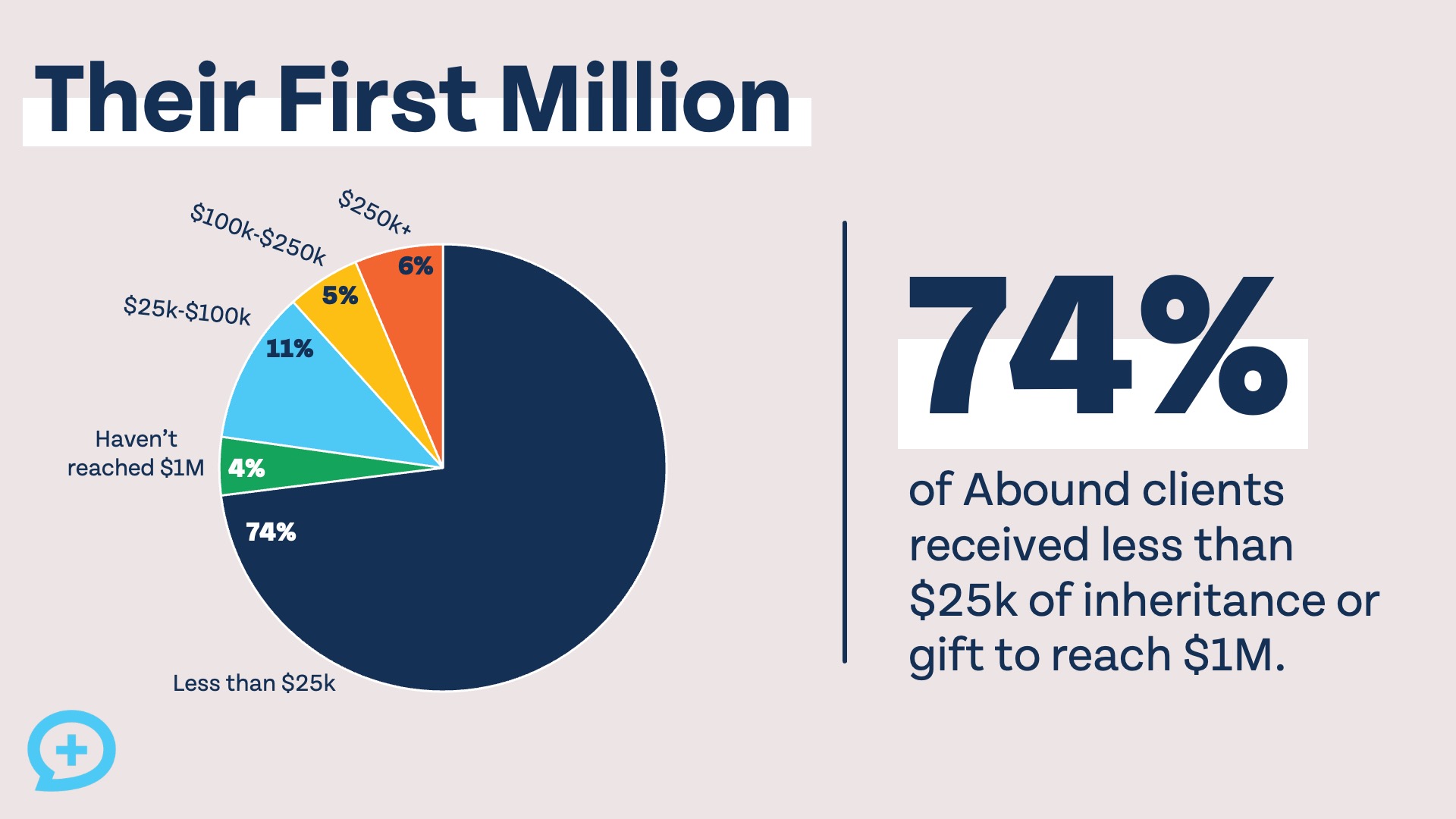
Share image


The Financial Order of Operations is a great resource for deciding what to do with your next dollar, or if you receive a large inheritance, maybe your next $100,000.
Following the FOO can help you decide when to pay off high-interest debt, when to build an emergency fund, and when to contribute to your retirement accounts. If you’ve already got those covered, the FOO covers more advanced things like maximizing retirement accounts and saving for future goals such as big vacations or your child’s college education.
If you are interested in learning more about how to handle your inheritance, check out the video below.
Common Estate Planning Mistakes (And How to Avoid Them)
Copy link to this section: Common Estate Planning Mistakes (And How to Avoid Them)
Copied the URL to your clipboard!
Copy link to this section: Common Estate Planning Mistakes (And How to Avoid Them)
Copied the URL to your clipboard!
There are some potentially catastrophic estate planning mistakes you will want to avoid to make things much easier for your family in what will already be a stressful and emotional time.
1. Wrong beneficiary on accounts
Did you intend to leave the entirety of your 401(k) to your ex-husband? Didn’t think so! But that’s what can happen if you don’t regularly check and update beneficiaries on bank accounts, retirement accounts, life insurance policies, trusts, and other assets.
Assets with beneficiary designations typically pass outside of the probate process, which means even if you update your will and other estate planning documents, assets with beneficiaries may not reflect your current wishes. It’s a good idea to regularly log in to your accounts and check who the beneficiaries are and update as necessary. You may never need to change beneficiaries, which is great, but it’s always better to be safe than sorry.
2. Giving assets away before you die
There is absolutely nothing wrong with being generous while living and giving assets to your heirs, but in some cases giving assets away before you die can be a huge mistake. Investments, real estate, and other property can receive what is called a step-up in basis at death.
Let’s say a nice couple, Bobby and Bobbina, want to give their favorite son Bobbo their treasured family vacation home. Bobby and Bobbina bought the home for $10,000 and a silver dollar in 1958, but now the home is worth almost $3 million. If they gave Bobbo the home while they are living, their basis of $10,001 carries over to Bobbo. That means if or when Bobbo sells the home, he will owe taxes on the entire sale price over $10,001 (minus any exemptions if the home becomes his primary residence).
If Bobby and Bobbina instead will the vacation home to Bobbo, he will receive a step-up in basis when he inherits the home. That means if or when Bobbo sells the home, he would only owe taxes on the amount the home has appreciated in value since he inherited it. The difference between giving assets away before you die or after you die may seem small, but it can have huge tax consequences for your heirs.
3. Not having any or enough life insurance
A large number of Americans don’t even have health insurance, much less life insurance. Not everyone needs life insurance, but if others are financially dependent on you to live, chances are you should consider your need for life insurance.
A need for life insurance often exists when your assets aren’t large enough to cover your debts (like a mortgage). Life insurance can also be used to replace your income if you are worried about taking care of your family financially if something were to happen to you.
If you are older and have done a great job investing for retirement, you may be able to self-insure. This means you have enough assets to pay off your debts if you were to die and your family would be taken care of. There are many different types of life insurance available, but we believe term life insurance is the best and most cost-effective solution in most situations.
4. Dying without a will
Dying intestate, or without a will, means the laws of your state will decide how your property is distributed upon your death. This might not be a huge deal if you don’t leave behind anything worth fighting over, but the more assets and potential heirs you have, the greater the need for a will. Dying without a will means your estate (and potentially children) will be subject to the laws in your state and will be distributed accordingly.
5. Worrying (or not worrying) about estate taxes
Not worrying about estate taxes can be a catastrophic mistake, but for most people, at least with the current federal estate tax exemption, worrying about federal estate taxes is a much more common mistake.
The 2026 federal estate tax exemption is $15 million, or $30 million for married couples, which means you must have a very substantial amount in assets to be impacted by federal estate taxes. If you think you will or could be impacted by federal estate taxes, consider reaching out to a fee-only financial advisor to develop a plan for minimizing or eliminating the impact of estate tax.
Working with Estate Planning Professionals
Copy link to this section: Working with Estate Planning Professionals
Copied the URL to your clipboard!
Copy link to this section: Working with Estate Planning Professionals
Copied the URL to your clipboard!
Early in your life, when you don’t have a significant amount of assets, you can get away with a “back of the napkin” estate plan and prepare documents using online services. As your situation becomes more complex, it may be a good idea to work with a fee-only financial advisor and an estate attorney to prepare your documents.
There aren’t any hard and fast rules of when it makes sense to work with professionals, but answering the questions on the checklist below can give you an idea of where you are at in your financial life.
- Do you have enough time in the day to manage your own finances?
- Have you found it beneficial to work with other financial professionals, like a CPA to file your taxes?
- Would you describe your finances as optimized or do you believe there is room for improvement?
- Has your financial life become more complex? In practice, this often means your assets and number of accounts have grown significantly, your taxes must be prepared with the help of a professional, and you utilize more advanced retirement investing strategies like the backdoor Roth and mega backdoor Roth.
- Is your situation unique in a way that may necessitate the help of a professional? Examples of unique situations include owning your own business or having a special needs child that you need to plan for.
FAQs
Copy link to this section: FAQs
Copied the URL to your clipboard!
Copy link to this section: FAQs
Copied the URL to your clipboard!
Do I need a trust?
Trusts can be great tools for individuals with large or complex estates, but not everyone needs a trust. If you are concerned that your current estate plan doesn’t adequately meet your needs, it is worth speaking with a fee-only financial advisor or estate planning attorney to see if a trust may be right for you.
How much does estate planning cost?
There are many factors that determine how much estate planning will cost you, including the experience and rates of the attorney you plan to use, the number and complexity of documents being prepared, and how much time it will take the attorney to prepare your documents. A very simple will could cost as little as a few hundred dollars, while more complex plans with more documents may cost in the thousands.
When should I update my estate plan?
You should review your estate plan documents at regular intervals to ensure everything is still up-to-date and nothing needs to be changed. How often you choose to review your documents is up to you, but it would be wise to review them at least once every couple years.If you work with a financial advisor, they may assist you in reviewing documents and making sure everything is up-to-date.
Can I do estate planning myself?
Many aspects of estate planning can be done yourself, but that doesn’t mean it’s always a good idea. Online websites can help you create wills and other documents like power of attorneys, but may not provide the same level of guidance as an experienced estate attorney. If your estate is simple you may be able to use DIY services, but consider seeking the help of a professional if your estate is more complex.
How do I talk to my parents about their estate planning?
Approaching loved ones about their estate plan can be a difficult conversation to have. If you are in a position where you may be responsible for someone’s estate after they die, it’s very important that you know exactly how to access their documents and to assist them in creating documents if they haven’t already. You can’t force someone to have a good estate plan, but having a conversation about it will at least give you an idea of what to expect after they die.
What if I inherit an IRA?
The rules regarding IRAs inherited by non-spouses have changed within the last few years, and assets must now generally be distributed within 10 years. This can have tax consequences as you are essentially forced to take a substantial RMD each year out of the IRA. It may be worth speaking with a financial advisor if you inherit an IRA to discuss strategies to minimize the tax burden and maximize your benefit.
Where should I keep my documents?
It is a good idea to have more than one copy of your documents in case something were to happen to them at one location. At your home, it’s a good idea to keep all important documents in a waterproof and fireproof safe. Make sure those who may need to have access to the documents either have a key to your safe or know how to access the documents. You could consider keeping other copies of your documents with your estate attorney or a trusted friend/family member (in some cases this can cause issues, so only do so if you are comfortable with another person having access to your documents). When you update your documents, make sure all of them are updated.
Glossary
Copy link to this section: Glossary
Copied the URL to your clipboard!
Copy link to this section: Glossary
Copied the URL to your clipboard!
- Probate
Probate is the legal process of settling your estate in accordance with your will. Some assets may pass outside of the probate process, such as life insurance benefits and retirement accounts.
- Intestate
If someone dies intestate, it means they passed away without a valid will. If you have any amount of assets or dependents, you should have a will.
- Executor
An executor is the person named in the will to execute your wishes and settle your affairs according to the will. An executor is often related to the decedent, but that is not a requirement. The executor should be a trusted, responsible, and reliable party you can count on to carry out your will.
- Trustee
A trustee is like an executor, but for your trust instead of your will. A trustee is the party with the responsibility of executing and managing the assets in a trust.
- Grantor
A grantor is the party who initially establishes a trust. A grantee refers to the beneficiary or beneficiaries of a trust.
- Agent
An agent is the person you authorize to act on your behalf if you are unable to do so. An agent may be named and authorized under a financial power of attorney, medical power of attorney, healthcare directive, and more.
- Beneficiary
The beneficiary is the named person that will acquire the specified asset or assets upon your death.
- Step-up in basis
A step-up in basis applies to eligible assets like real estate, brokerage account holdings, personal property, business interests, and more. The “step-up” means that instead of inheriting your original basis, the beneficiary will instead receive a “step-up” in basis when they pass. For example, if you bought $100 in Apple stock in 1990 in a brokerage account, and left that to your son at a market value of $100,000, the son’s new basis would be $100,000, not your original $100.
- Portability
Portability allows the surviving spouse to use any remaining estate tax exclusion and apply it to their own estate. This can reduce or eliminate your estate tax burden if your assets would otherwise be subject to estate taxes.