
-
▼


-
▼


Phil told us he treats money like a game. But looking at his money, it seems like his favorite game is RISK. He has a high net worth, but is he too much of a high roller? Let’s find out.
Learn more about how you can incorporate millionaire habits into your own life and master your money mindset. Cultivating a healthy relationship with money doesn’t need to be difficult, but just like any other habit, it must be practiced and perfected over time.
Enjoy the Show?
Where You Can Watch and Listen:
Subscribe on these platforms or wherever you listen to podcasts! Turn on notifications to keep up with our new content, including:
- Episodes of The Money Guy Show every Friday
- Episodes of Making a Millionaire every other Monday
- Mini-shows every Wednesday
- Ask Money Guy Livestreams every Tuesday
- Tons of other fun content!



Welcome to Making a Millionaire (0:42)
Brian: Welcome to Making a Millionaire. This is where we help financial mutants to make small decisions to build their Great Big Beautiful Tomorrow.
Bo: Brian—I am so excited because on this show we get to talk to millionaires and millionaires in the making and today is no different. I’m so excited we get to sit down with Phil today. Phil—thanks so much for being with us.
Phil: Thanks for having me guys.
Bo: So—so audience doesn’t know you—they haven’t met you yet—give us who are you—where are you from—what do you do—give us the quick high-level biography.
Phil: I’m a registered nurse out in Columbus Ohio. I’m 34 years old. I like to play sports—I’m a big soccer guy—I’m a big Buckeye fan—baseball—basketball—
Brian: You—I—oh baby—they have to do—every time—Bulldogs in the play—we got a bunch of Buck guys here—lot of—the Ohio State right?
Phil: That’s right. I’m also a real—kind of got that license about 12 months ago—haven’t done so much with it yet—but potentially that could be a side gig and/or a tool for me to use in building my wealth through rental real estate. I currently have a condo and a duplex—I live in the one side and rent out the other—little house hacking—
Brian: Love it—yep.
Phil’s Money Origin Story (1:53)
Bo: Obviously you watch the Money Guy Show—you’re into personal financial content. How did you—have you always liked personal finance—it’s a new thing—what’s your money story in terms of where you started and where you are today?
Phil: Yeah—so I think the story actually starts when I was a little kid. I used to play Monopoly all the time—Sega Genesis Monopoly—and I used to play—no joke—four—five—six—seven hours a day—love—I love the game—right? And every birthday my grandma would give me $20 bucks or whatever—right—so I’d put that in the bank and then me and my dad—we’d come home and I’d see the statement and I had earned a whopping 49 cents on quarterly—that was money that wasn’t there before—right—exactly—exactly. So I’m—wait a minute—what is—what’s this—right? So that kind of got me super excited. And then in the sixth grade in Mrs. Spencer’s math class—kind of your Mr. Morrow moment—shout out to Mrs. Spencer—yeah—at Chapman Elementary—she told me about how when she was a young girl—instead—or she would get dolls and you know things like that as a kid—however there was this boy named Tommy Fitzgerald or whatever his name was who instead of getting basketballs or—or race cars or anything like that—he got stocks—oh wow—and she then said he’s probably laughing all the way to the bank right now because I’m sure he’s a mega mega millionaire. And that immediately kind of triggered the initial—okay—so if you own stocks you become a millionaire—
Bo: Love it—it’s a connection—that’s great—right.
Phil: Fast forward a little bit farther—I thoroughly enjoyed the stock market and stuff like that but I didn’t really understand how it worked. So when the iPhone had come out I’m—holy crap—this thing is really cool and this is going to change the world. And then when the next iPhone—iPhone came out—I believe the iPhone 3—my older brother who’s a huge Apple nerd—he had bought it and I played with it and it was just such an upgrade from the first phone to the second phone that I was just—all right—this thing—this thing is going to change the world. So I took every penny that I had—I was approximately a—sophomore in college—so that—that makes you what—19—20—to say 20—yeah—and I took every penny I had and I put two-thirds of it in Apple and one-third in Verizon—oh wow—because at that time—because of that—because of the—just the phone experience—right—and—you had to have Singular Wireless—now AT&T—to get the iPhone. So I thought it was only a matter of time before the best cell phone merged with the best cell phone provider and I thought—all right—well if I can kind of get ahead of that then that would be great.
Bo: That’s unbelievably insightful for a 19-year-old to have that sort of field vision.
Phil: Well—and shout out to all the young people out there—I think that trends can—young people have an insight in trends sooner than perhaps us older folk. So—yeah—I mean I got lucky. It also was in—you know—2010 so I had the tailwinds of the market recovery supporting me. But this was certainly back in the day where $10 per trade to get in and out. So—yeah—I just dropped everything I had into Apple and Verizon and fortunately for me I think I had a 30%–40% return in that first year. Well—just got me hooked.
Bo: So give me some context—you said 19–20 you’d put every—every penny you have—what’s every penny you have—me—literally—I emptied out everything—
Brian: Fair—I did keep $500 on the side—okay—well you got—
Phil: I did keep $500 on the side. Grand—three grand—five—I had $5,500. So—in high school my parents—and I’m happy that they did this—but I had to work throughout high school to build up funds for college. Okay. So I had to pay for the first semester of college—
Bo: And where did you work in high school?
Phil: Combination of golf courses—restaurants—Abercrombie and Fitch—
Brian: Just kind of—anywhere—for Millennials that’s such a flex—I watched A&F—right—such a flex.
Financial Childhood Background (5:50)
Brian: Also I want to know—what was your childhood—did you grow up—would you consider your parents having money or not having money—square in the middle class—what was childhood like?
Phil: Sure. So I probably grew up in an average—an above average but I guess a B+ neighborhood if you will. And my dad worked—my mom was a stay-at-home mom. To kind of give a little bit of background information on them—my mom was born and raised in Copenhagen. My dad was on a post—my dad’s an attorney—so he was on a post law school trip to Europe. Okay. And my mom was a bartender and that’s how they met—wow—what a story. And then 3 months later—you know—he proposed over the phone—she flew over and got married. Yeah. So that’s how Phil kind of came along.
Bo: All right. So at 19 or 20—you say I’m going to put all this stuff into the Apple and it turns out really really well for you—right? So you learned at early age—hey I can work and I can go—I got to put myself through college—okay. Fast forward—we’re going to look at your net worth statement in a second to see kind of where you are today—but walk us through that decision that you made at 19 to 20 to invest everything and then now that you’ve gotten into the working world—you’ve been working for over decade now—how have you approached making financial decisions? How—what’s—what’s your financial wherewithal—how do you decide what to do with your money and where to put your money and—and ultimately what are you working towards now that you are in the working world—what are the goals that you’re actually trying to move towards?
Phil: Sure. I would say initially when I first threw everything in I just thought this product is going to revolutionize the world. Sure. Right. I was lucky. But I was also right. And then from that point on I was just kind of addicted to investing. So I continued working in college. I was both a chemistry lab assistant to help kind of bolster my academic career and I also worked at Hyde Park—it’s a steakhouse—that’s kind of the crème de la crème restaurants in Columbus—and that paid really well. So I was constantly trying to see—well what can I—what job title can I get that’s going to increase the size of my shovel. Sure. Right. So that way I had more money I can dump in—
Bo: Dump in—for what—for what purpose—more money to dump in—why—for what reason?
Phil: I was just so enamored with how all of this works—read all the blogs—learned about the rule of 72—and so with that—roughly speaking with the S&P averaging 10% to 11% a year—inflation is roughly 3% a year—roughly speaking—the purchasing power of your dollar doubles every 10 years—roughly speaking. Sure. And so when I was 20–21 I just did the math real quick—I said—okay—well eventually I’m going to be—ideally I’m going to live to 90—right—and so somebody’s got to take care of that 90-year-old Phil—why not be me? Because—let’s be real here—everybody I know alive today will not be alive by the time I’m 90—right. So I got to take care of myself. And so I recognized that using the rule of 72—every dollar I could invest today would have the purchasing power of 128—if my memory is correct. And so I was just—holy crap—if I can work one day today—that’s kind of working 128 days as a 90-year-old.
Brian: I love that.
Phil: And if I can save $100 today—that’s 128 times 100—what is that—$12,800. If I can save $1,000—and so forth and so forth. So then I recognized—if I can save a year’s worth of income—that’s 128 years. So—that compounding exponential growth really was just enlightening and exciting. So initially it was not a goal other than I’ve recognized this thing that works—this thing that happens. Yes. And so if I can save one month today—you know—there’s 12 months in a year—10 years in a decade—quick math—that’s 120 months—right? So if I can work one—if I can work and save one month’s worth of income as a 20-year-old—that is literally going to pay for an entire decade of my 90s.
Brian: I love it.
The Wealth Multiplier Concept (9:55)
Brian: Do you see what you just did? I love this because we—we talk about the wealth multiplier all the time and anybody in the audience should go to moneyguy.com/resources and you can play around with our tool—you can download it. I love—you said something that I think just brings it back to what we talk about all the time. I make the statement—and Bo even has the koozie—a dollar invested for that 21-year-old—20 to 21-year-old—to make that thing legal—is—is going to have the opportunity to turn into $88. I love what you just said there though—if you—if you change this and this—I want everybody to listen—one month or just say one week’s worth of work. If it’s invested it could provide for a 20 to 21-year-old—88 weeks of time. You start thinking about that—that it’s literally—to your point—that’s years. Yeah. And that’s a—a pretty remarkable thing that at a young age you kind of caught that concept. I mean that really is an amazing thing. And but I still—I want to pull you back on—what was the money why? Because right now I just hear in your explanation is why not make more—but it feels it’s all over the place. It started off with this pure message that—you know—a little bit of time would get me lots of time in the future—but I don’t know that we stayed on point with that. So can you kind of bring in—what was the why?
Phil: It was—if I could get more I could buy my time back—is essentially what it was in a nutshell.
Bo: So are you—a fire proponent—is that—is that the thing?
Phil: A recovering fire enthusiast.
Bo: Recovering fire enthusiast—I like that.
Phil: And so—and the reason why recovering and not still—you know—balls to the wall—you know—full speed ahead—is one day I would like to have kids and I think one of the important things of—of having children is—you know—setting an example. And it’s going to be really hard to set an example—the importance of work and contribution to society and helping others—if I’m just kicking back sipping mai tais all the time—you know. So part of me is recognized that I should probably be doing some form of work when I have children around because somebody has to set that example—right. That being said—the—because of all my previous hard work—discipline—saving—investing—it’s kind of bought me options today. Whether it’s taking time off today to come down and speak with you fine gentlemen—or—you know—investing in perhaps more aggressive investment options—or stepping down from a full-time nurse position to what we call in the industry PRN—which is basically as needed.
Pandemic Opportunity and Work Structure (12:36)
Phil: So during the pandemic—obviously it wasn’t the funnest time to be working in the healthcare industry—extremely long story short—the industry as a whole—a lot of people left. So labor shortages were created and so the institution that I work at created this policy where if you worked above your contracted hours you’d get over triple time—oh wow—and so not time and a half—triple time—correct—300%—yeah. So I kind of viewed this as an opportunity because I had—you know—a decent stash of cash underneath my belt. And I felt comfortable because I understood how insurance works and things of that nature. I was just—all right—well instead of working full-time I demand to be demoted. So now I’m only required to work 16 hours a month—oh wow—and then everything above is no longer triple time—it’s now 2.1—okay—but still—still amazing—right.
Bo: So you’re required to work 16 hours a month—on average how many month—how many hours a month do you work on average?
Phil: Well—I’ve become a little spoiled. And so to be honest—I probably am doing closer to 24 hours a week—oh wow—so—you know—typical full-time work is 40—yeah—however at the same time—even though I’m only doing 24 hours a week on average—roughly speaking—as a nurse—I have taken the time to build up my real estate license and I’m in the process of building that business up a little bit. And my thought process was—I have this exclusive access to literally a thousand nurses and doctors. I’m in what’s called the float pool—so I bop around different units throughout the hospital. I kind of recognized—wait a minute—I have this opportunity where I have exclusive rights from a real estate agent’s perspective—I have access to a thousand nurses and doctors who trust me—who have been in the COVID trenches with me—and so I’ve kind of been building that up a little bit. So I have gotten a little spoiled. I have taken my foot off the gas a little bit and—yeah.
Net Worth Review (14:34)
Bo: So you said something interesting—you said—hey I’ve got—I’ve made a lot of—I’ve done a lot of hard work leading up to this point and now at the age of 34 I’ve got some flexibility and options. So if you’re okay with it—let’s look at your net worth statement. You kind of sent that to us—said hey let’s dive in and I think it’s interesting so that way can give our audience an idea of sort of where you’re at on your financial journey. And what we can see is right now your total net worth is just under about $800,000 at 34 years old—that is wild—right? That’s unbelievable. And then when we just look at the liquid wealth that you have—it’s about $550,000—which again for a 34-year-old is insane. So by all metrics on the top level—you’re absolutely crushing it. But when we got this there was something that we noticed and I think you must have forgotten to send us some statements.
Brian: Well I have a question. Sure. Phil—do you like the skinny dip?
Phil: I do actually.
Brian: Because when I saw this I don’t know if you know the saying is that—you know—we have a favorite investor—Uncle Warren—yeah—Uncle Warren—he talks about when the tide rolls out you can see who’s swimming naked. Yeah. Your cash—now—and you can tell us what each of these accounts—but it’s not going to take us as long to go through it—your cash is at $2,615 and for some reason you need three accounts for $2,615—your lowest account—that checking account with $8 in it—what—what is the purpose of that account?
Phil: So I have a HELOC and I have my primary checking account—the HELOC is with a different bank account—so it’s literally just a middle account for me to transfer funds from my HELOC to the middle account—just a conduit—it for money to pass through—correct—
Brian: Great but why is cash so low?
Phil: I’m a maximalist—optimizer—just efficiency. And as far as assessing my employment risk—to be honest—there’s a labor shortage right now and at any time I kind of view my job as an asset. And with that I feel that I can pivot—if—if for whatever reason I’m having difficulty getting hours at the hospital that I work at—there’s other hospitals in the area that I can pick up work at and it—it’s almost I can shift whenever I want. I understand there’s also the risk of disability and injury and things of that nature which I do have risk exposed to—
Bo: Because surely—obviously—if disability—you’ve got tons of disability insurance—right?
Phil: I don’t.
Bo: Oh—so you have no cash reserves—I just want to make sure—you have no cash reserves—also no disability insurance. So you just said that if—if your job and the flexibility of that is maybe your most valuable asset because flexibility exists—you have not done anything to—like—insure against what happens that goes away?
The Access to Cash Trap (17:22)
Brian: I want to make sure everybody has context—this might be a false sense of security even on your career side—is because when you were in—I know the team when they were kind of talking to you off camera about things—you have what you call dry spells and then you have wet spells or whatever with access—these traveling nurses have kind of slowed down—sometimes you have periods where you have trouble getting hours during that period. Yeah. I worry because—you know—hospitals are highly competitive and there’s the—the CFOs for hospitals are—you know—looking for angles and edges and if—some by chance they watch Making a Millionaire and they realize—holy cow—we were paying three times for—for anybody who had over hours—there’s opportunity to—to squeeze the inefficiency out of their pay structure. I’m worried—do you have any fears that—that or is that just you move or go—what do you do?
Phil: I think I believe in my work ethic—I believe in my competencies—I believe in my—I believe in myself. Sure. And so if—even if I can’t get a job for whatever reason in a nursing role—which I don’t think is the case—but even if that is the case—I do have my real estate agent license that I can kind of rev up that engine—
Brian: I—I want to make sure we—we bring this back because this is something—bad things happen to good people. Sure. And you will find—you might even be in a situation that you have zero control over and it doesn’t matter how hard you work—how good your network is—is—and you—you said one which could be a car accident—a disability—it’s—that’s why in step one of the Financial Order of Operations—highest deductible covered—is because we’re trying to insure away the catastrophic things that could derail you to make desperate decisions. Then we go to step four—after we get through two and three—we’ll come back to that—but step four is the 3 to 6 months—that’s to get you out of—out of the catastrophic and then have just extended periods of time. And I’m just worried because in a minute we’re going to talk about—you love to dance with leverage. And I—I don’t know if you’ve—you know—because Uncle Warren used to love sitting next to another great investor—Charlie Munger—and Munger talked about the Three L’s that will ruin a person—ladies—liquor and leverage—exactly. So—you know all this stuff—you’re a student of the game but yet you see the shiny object and you couldn’t avoid—and look—I have no problem with leverage. I mean the building we’re in has a mortgage on it—you know—I’ve always used mortgages on my house—you know—I—I’m not an anti-debt person. But I do worry when chaos occurs. You got to assume the worst—access to cash is not the same as having cash. And when you hit catastrophic—when it rains it pours—and you lose your job—your real estate’s down 50%—mine was back in the Great Recession—and then your financial assets are down 40%—you—you quickly realize what you took for granted which is your hard work—your access to cash—you start drowning. And that’s the part that scares me. Now you’re—you’re kind of—I feel you’ve structured this as boom or bust—is that you’re making great money but if the—if bad things happen—instead of if—you think about if you’re on a sinking ship and when economies go bad—we’re all on that sinking ship—a person with cash gets to climb up a few decks and not be the first ones underwater. Sure. You’re going to be you’rein steerage—you’re in steerage for sure—you’re down there—you’re down there—it goes underwater and you drown. And bigger pockets get to come in—get the best deal—the lifeboats come and save them.
Learning from Leverage History (20:58)
Phil: So one of the reasons why I came to talk to you guys is I agree. And that fire enthusiast mentality is also part of the shift. When I was younger—you know—you think you’re invincible and all that other stuff. And even though I don’t have kids yet or anything along those lines—I—I can already sense my risk tolerance—kind of coming down a little bit—
Bo: Great. Happens with age. That’s a good thing.
Phil: So this isn’t the only time I’ve used leverage to kind of help get to where I’m at. As an example—before—so my initial degree is biology with a minor of economics—graduated circa 2013. I knew at some point I was going to—actually let me take a step back—this might be interesting. So 2013 I graduated—I got my first job as a chemical—inside chemical sales rep—I absolutely hated that job. Big mistake was staying in that job for a year because I thought—well—you know—you’re supposed to stay in your first job for a year. I was super unhappy—the pay was not great—in my opinion—got somewhat taken advantage of but neither here nor there. So with all of my extra time I recognized—wait a minute—I can bust my butt at work and maybe make an extra $100 or with my free time at work I can study taxes and study tax credits and things of that nature. If you’re not going to pay me well I might as well use my time to better understand how to maximize—pay less tax—right—how to maximize—right. Full disclosure—I did get fired from that job. But I don’t regret—I don’t regret how it all went down. I already had another job lined up by the time I got fired. At that point—3 months into that job—I recognized—wait a minute—this—this life that I’ve currently built is not for me—so I’m going to go to grad school at some point. So I started—saving and investing—saving and investing—saving and investing. And I recognized—wait a minute—not only do you have personal exemptions and standard deductions back when those were two things—but you’d also get tuition tax credits. And so I recognized—wait a minute—if I had traditional assets—I did an accelerated nursing program so you get an entire bachelor’s in one year—it was brutal—my work ethic—so you get an entire bachelor’s degree in 13 months and I recognized—all right—there’s no way I’m going to actually be able to earn an income during that time period. So instead what I did was I loaded up traditional assets leading up to nursing school. So then in nursing school—during that 12-month period where I wasn’t really making any income—I converted—I can’t remember the exact figure—somewhere between $30,000 and $40,000 of traditional assets into Roth—with the idea that—all right—between the tax credits—personal exemptions—standard deductions—still low tax bracket—exactly—it was zero. But with that—instead of paying for my nursing degree—I took out student loans. So I recognize—wait a minute—there’s potential arbitrage here where it’s—all right—not only am I going to save money in the tax conversion—you could also make an argument that I was in a way leveraging—in a way leveraging student loans to be further invested into the market. So that was—I would say—the first time that I used leverage to kind of amplify investing. The second time I would say is during the pandemic—right—once again—obviously I’m pretty certain I’ve got a good employment security going into a health crisis—right. So when the stock market initially crashed in—in March—April—I had opened up credit cards and the 0% APR and—right—right—
Brian: Where’s it going?
Phil: And so at that time I—I had just closed on my duplex about three or four months prior—it needed some renovations—I had the cash. But rather than use the cash to pay for the renovations—I opened up the 0% APR credit cards for 18 months and I maxed those out. And 18 months later—cash advance—use that for the—for the renovation—that way I could further maximize my investment. Fortunately—once again I did get lucky in the sense that the stock market recovered healthily and so after that 18-month period I sold the assets—took out money from the brokerage account and then paid off the credit cards. So that’s probably the second time—
The Gambling Personality Question (25:27)
Brian: Can I ask you a question—go ahead—are you a gambler personality? Do you actually get—because you’re gamifying—I mean—you definitely gamify systems—the way you do your wages—the way you’ve done looking for these arbitrage situations—but I’m just trying to figure out if this is strategy or if this is an emotional high too.
Phil: It’s not a dopamine hit—I hate gambling—for me it’s—it’s a game that I’m going to lose. Okay. With strategizing—investing—I don’t feel that way—but with gambling—the house always wins—right.
Brian: But answer this—because you understand the statistical side that the house always wins—but is there some dopamine side of this that you’re doing it?
Phil: Probably a little bit.
Brian: Because maybe a little bit—because—you—you know—you’ve said it several times—you knew you were taking a risk but you won. And—and I’m just—I’m just trying to get to the—the root cause here and we’ll get back to Foo in a minute but it’s—you—you see where I’m building.
Bo: Well it’s just interesting to me. You said something earlier—you said—when you comes to Apple—you said—hey I was—I was lucky dot dot dot—but I was right—but I was right. And it’s just interesting—these are all—very aggressive strategies you’ve done—I took out a HELOC—I maxed out these credit cards—you’re familiar with the concept of Russian Roulette—not actually playing—the concept of it—no one ever gets through five rounds of Russian Roulette and says—holy cow I won five times—let me try for the sixth—let’s let me try for this. And that’s what it’s so interesting—we’ve already said you have a net worth of almost $800,000 at 34—you have $550,000 of liquid—it’s going to be hard for you to screw your financial situation up and yet it seems you keep putting yourself out there to where screw up could be possible. And so the question I would have for you—okay—you said I’m a maximalist and I want to max—you’re at a stage of your financial journey where it might not just be about how much money do I make or how much do I compound or how much do I stack—but how much do I actually get to keep over the long term. I cannot disagree with a lot of the things you’ve done—have worked out incredibly well for you thus far. So you have this huge head start—you’ve essentially rounded third—all you got to do is get from third to home. But you got to be careful taking too many risks between third and home or else you sacrifice the whole thing. You put at risk this entire beautiful thing that you’ve built. And the question I would have for you is—why?
The Biggest Wins Were Simple (27:51)
Brian: Well—well I want to bring it—he talked about his fascination and love of rule of 72—that is the most pure basic thing of letting your money work. You even gave the reference of the S&P 500. You work for an employer now—this blows my mind—is that you could—you put in 10%—they force you to put in 10% in the 401(a)—they put in 11%—yep—and you don’t even have to pay Social Security because they’re opted out of Social Security—correct—because of their structure. So that’s an amazing thing and that’s why when I look at the tax-deferred side you can see why that number is big—I mean close to $220,000. And then I look at—and we’ll get to it in a minute—your real estate—you have—you house hacked which is one of the most basic things—you buy something—let somebody pay half your rent—that’s a de-risk type of way of doing it. Those things are your biggest wins on this net worth statement and they didn’t require you to do—all—individual stocks—we’ll get into options contracts—all—you—I mean it’s a who’s who of what the hot dot is at the moment. But yet the original part—and this gets back to Bo’s question—was rule of 72—S&P 500—but you never did that stuff. You—you—you’ve gone—you see this and then you go here. Give—give us—
Phil: Go back to what Bo was asking—if you can remind me.
Bo: So my question is is you’ve had all of this success thus far and you said—hey—my risk tolerance is changing and I think maybe I want to have a family one day and I recognize that I am—for 34 years old—far ahead of the game. Yeah. Some of the stuff that we’re going to say is—okay—hey—your maxim—you only got—you know—$2,600 of cash. Sure. Perhaps that—even though you do have job security—even though you have—what is the opportunity cost that actually exists for you to have—okay—I’ll even concede you’re a nurse—so you’re highly employable and you’re going to be in incredibly fluid in terms of where you can plug in—even just keeping three months of liquid—expenses—of living expenses in cash. Plus you do have—we haven’t talked about real estate—we’ll talk about in a second—you do have some additional exposure through real estate. Sure. Which would substantiate probably having some cash there. And you’ve already said—hey I think I might want to do more real estate—well if you’re going to do that you are not currently positioned in the place as someone that would say—hey yeah—going into more real estate would be—without having that cash there. And so my ultimate question for you is—why not?
Fire Mentality Shifting (30:12)
Phil: It comes down to maximizing right? The idea of fire—the kind of the purpose is to kind of get to the finish line as fast as possible. And initially part of the initial conversation was recovering financial enthusiasts—right. And so I think I’ve recognized that with that goal of hitting the financial independence as fast as possible—it is exposing me to extra risk. And I certainly—even though we’ve talked about some home runs that I’ve—financial home runs that I’ve hit—I’ve certainly struck out a couple times too—you know. Sure. So I think ultimately this mindset of just—you know—grind—grind—grind—sprint—sprint—sprint—has kind of gotten me to a level of—all right—well there’s risk—and obviously a substantial amount of assets are at risk. So for me—the reason why I don’t have cash reserves is because I do have some brokerage accounts that I could tap into. I—I know—I read the book—I read the book—right—right—right—and I get that—I get that—and that’s why even as somebody who I would consider myself a financial mutant—I hope that I would get that title—
Brian: Best—we’re trying to figure it out—we’re trying to figure out what variation we see that we—we’re—we’re in the—in the Man and we see something that glimmers but it—seems to be covered up with something that I’m not getting the clear picture. So I’m trying to figure out how we—because I will tell you—let me—let me give you the good news before we bring this back to the Russian Roulette because Bo—Bo was spot-on with that example. I think for somebody—you answered something that I thought was pretty interesting a few seconds ago—I asked you if you were a gambler and you said no—you—you actually—you look at yourself as a maximizer of this and it’s not a dopamine or an emotional thing that you’re trying to get. I think that people—and I—I talked about this in the book—is that anybody who understands risk and risk tolerance but also understands how you build up a nice balance of cash—that is a superpower. Because you’re in boom or bust—is just part of our system—with real estate—with a lot of these speculative investments—you will see moments where things go up or things go down. The smart play—and think about Warren Buffett—why whenever we get into economic downturns do people start looking at the private jet landing—you know—the airplane numbers—they come to different places—is because they’re seeing—is Uncle Warren go bail out the next company that’s about to go broke. There is a superpower to be a maximizer—to have resources when everybody else is dying. And right now you’re on the front end of drowning underwater because you have no liquidity. I would think a person who’s a maximizer—especially when you think about how often do bear markets happen—every decade—two out of eight or two out of 10 years. And you’ve had a good run—it’s back to the Russian Roulette period—is that you—you pull the hammer and then somehow it’s just not—you’re not—you’re not paying the price and you’re—let’s keep going—even though you know the stats. Do you think that means that there’s a lot of opportunity for real estate in the next three to five years or do you think it’s going to take a little time for that huge spike in price appreciation—reversion to the mean—yeah—right? But even good markets—Ohio can are still potential opportunities—if you have assets. Sure. If you’re naked—it potentially could pull you under. Yeah. And that’s—and so the—the last—just to kind of fill the audience in—the last time I went—kind of crazy with leverage—is—during—September of 22 to January of 23—I used my HELOC and I pulled out approximately $100,000 and—
Brian: Pull of the chamber—
Phil: And I—and I DCA—over a month span—$25,000 in each month—at—at worst—
Bo: I love the DCA—hey—I smoke cigarettes—I have filters on them—you know what I mean—so it’s healthier—it’s—it’s a better way of do it—oh Phil—
Phil: At worst that $100,000 went down to $89,000 but I—I—to use some—YouTube stock—you know—I diamond handed—I huddled—I—I held on and—you know—that those investments have done really well and so now I’m kind of in a position where I have—you know—approximately $125,000 of gains. I agree that I’m taking too much risk and that I need to kind of tone it down. But it’s one of those things where—how do I unwind that in the most tax efficient way?
Bo: We are going to get there—okay—and that—and what’s interesting is you’re talking about something that’s four steps down the road and we’re—we’re still—
Phil: Fair enough—fair enough—
Bo: We’re still trying to get to the—very first step down because you said something a second ago—he said—oh well look—I don’t have a ton of liquidity but I got this brokerage account and I can tap into this brokerage account. But when we look at your net worth—but I see another thing on there that says margin loan.
Phil: Yes sir.
The Margin Loan Problem (35:13)
Bo: So you have a brokerage account—you have liquid assets—but it sounds perhaps those liquid assets are also encumbered—right?
Phil: Yeah.
Bo: So—okay—so let’s walk down this thing right—and just throw out some of the names that exist in your brokerage account—some of the stocks that you hold—
Phil: Predominantly Tesla—Nvidia—Nasdaq—Apple—Microsoft—Google—
Bo: I know there’s concentration—these are all companies that are not subject to wild volatility right? These are—these are companies that are pretty standard—they don’t have these huge swings. So in the event that Brian’s talking about—this Great Recession type thing—maybe there’s real estate softness—maybe there’s job market softness—but there could be technology softness and we see this—do you know the way that—margin loans operate right? Like—right—if it goes—so in the time when you might very well need liquidity the most—when the world is—we’re not even talking about opportunistic liquidity—just like—uh oh—liquidity—at the time when you might need it the very most—might be the time when what you thought was there in this brokerage account that—that totals $240,000 across all three of them—yes—what you thought was there because you have this loan outstanding on it—could very well not even be there—not be available and accessible to you—right. So in that event—even the thing that you said okay it’s not really emergency fund but it’s kind of emergency fund—that disappears too. And again the question I come back to is—you’re 34 years old—worth almost a million—why? Yeah. You’ve won—you’ve—you’ve not won but you’re on your way to winning. Yeah. And so when I think about being a maximizer and having opportunities—you’re—you’re—it’s—it’s so funny—Warren man—we—at—give Warren—Warren—if you’re listening—shout out to you for getting us—you know—he used to have this idea that what I’m going to do is I’m going to look for opportunities where I can just go pick up cigar butts off the ground—I’m gonna take one quick puff—one quick puff—one quick puff—and you recognize that man—that is a—that is a daunting effort and that’s—you know—a lot of work—I’m going to take a puff—margin loan—I’m going to take a puff—credit cards—I’m going to take a puff—and then Charlie came along and Charlie said—hey—instead of finding that—why don’t you find opportunities that you can sit around and smoke for a while—that you can savor over the long term. You were just setting yourself up right now that—yeah—you hitting these quick hits and it’s working and you’re not gotten burned on it yet—but you’ve done that and you’ve got here—does it make sense to continue doing that or might you be at the stage of your financial journey where it’s time to calm down?
Brian: I’m going to say—well I’m going to say—grow up—
Bo: Grow up—from the games or get more focused—
The Complexity Problem (37:39)
Brian: I mean I think about when I think of wealthy people that we work with and—and you’ve heard this before—this will not be new—a lot of—secret to wealth is find something you’re good at or that you—and you can replicate that most of the public can’t do—and do it as much as you can. And a lot—and when I look at your—I was—when I was trying to prepare—I’m—I’m—if you want to know our dynamics—Bo is game time ready Ironman—and then I am—oh my god—lose sleep—overstudy—and I—and I got tired when I was looking at your statements. I was—I can’t figure out what the heck Phil is doing here because there’s individual stocks here—there’s options contracts—I didn’t—I mean it was just all over the place and that was—that made me really tired and I didn’t see a dynamic thread where I knew what you were doing. And that’s why when we wrote—when I—when I started putting together the Financial Order of Operations—as we did that—it was to go through so you can build your foundation and know what you’re doing financially. And—and I don’t even mind sharing—step two—you know—an interesting thing you said—you’re currently working around 24 hours—but you even conceded—hey—40 hours is the normal work week. Sure. So step two is maximize—you know your employer match—you’re leaving 40% of your work capacity kind of on the table. Now I know you’re gamifying this in a way but what does that opportunity cost—we see that’s one of your biggest assets that you already have—with a very small savings rate. Again—what I’m trying to figure out now is the why because—we can look at your situation and we can triage the situation and we can say—hey here’s some things that we would change—here’s—okay you’ve got this—margin loan—here’s how I think about that—okay you’ve got this home equity line outstanding—here’s how I thought about that—we haven’t even talked about the hard money loan—we haven’t talked about all the different things and we can triage that. But before we can start talking about hey here’s what we would do to change—we do need to understand the why. And it sounds what I’m hearing you say is—I want to be able to be in a position in the future where I can have a family—provide for my family—potentially might have to even provide assistance to other family members in my life. What’s interesting is is if—is if your financial life is just a house of cards that’s built that is working and it’s still standing but it’s unstable—does that really put you in the best position to be able to accomplish all those things? Or is your why—I just want to see how aggressive I can be—do you know what I mean? That’s what I’m really trying to dive into.
The Why and Future Goals (40:00)
Phil: That’s a great question. So I feel initially it was how aggressive I could be. It was one of those situations where when I was probably younger I was just so excited about the rule of 72—so if I can get the highest rate of return—understandably that with risk comes reward or with reward comes risk—that I would kind of just go all—all in. I—I spent a lot of time and energy into—to becoming a nurse—right—and I really do—there’s definitely parts of the job that I really do enjoy. Part of me is definitely thinking of a transition at some point in the future—whether it’s sooner or later. So one of the reasons why I wanted to kind of amass a high level of wealth is so I can change positions. Do I what I do—yes. Am I burning out—yes. Sure. So that’s one potential reason why I’m—I’m hyper aggressive—is to kind of get out—
Brian: You—you said your goal was to amass a high level of wealth—in your mind what’s a high level of wealth?
Phil: Originally it was a million dollars—
Brian: And the reason for that—hey—you know—you’re real close—you’re real—real close—you know—you know what I mean—you’re real close.
Phil: And the reason for that—why a million—well first it’s obviously a nice round number. Sure. And as you make mention in your book—there’s studies that suggest that $70,000–$75,000 is the necessary income to provide baseline living expenses—correct. So I thought—all right—well going back to the S&P providing roughly 10% to 11%—inflation roughly being 3%—$70,000 to $75,000—you would need about a million invested—right.
Brian: So that’s how—market makes 10% every year—you got a 7% withdrawal—all right—that math holds—not the way that it works—but—keep—
Phil: Okay—cool cool cool cool cool—so—so there is—there’s obviously the ups and downs and all that stuff but that’s why I was aiming for a million—nice round number—$70,000 to $75,000—that was not to suggest that I was going to necessarily retire—this just the goal you’re trying to hit—
Brian: Got—correct.
Bo: You just said—I’ve had this goal to amass a high level of wealth—high level—what I can’t figure out—your goal—your number was a million and you were rapidly on your way there—why has the goal not shifted to be—man I’ve almost hit that thing that I was going to do—my goal now is to not lose a massive level of wealth—because that’s where you are. I—I’m not going to fault you on all the things that you’ve done letting up here—although I would not recommend you do them—they’ve worked out and that’s amazing and that’s wonderful—that’s awesome. It’s no different than someone who works for Tesla before Tesla becomes Tesla—that’s an awesome opportunity you’ve been given. What I can’t figure out is when you look at your situation—how are you not—because when I looked at it I got scared. And—and we’re both super aggressive—when we look at this we’re—oh my goodness man—he’s done so well—why is he still so at risk especially hearing that you want to move into the stage of life where you have a family and have kids and—and—you said man my job is—I consider one of my greatest assets—hey but you know what—I kind of want to leave this job—I kind of want to leave—leave this thing that’s my greatest asset. You have so much risk inherent in everything that you’re doing—what I can’t figure out is why the mindset is not shifted.
Phil: I think it’s in the process of shifting—which is one of the reasons why I wanted to talk with you.
Brian: I see paper gains—not wealth—and the difference is paper gains can go away tomorrow—you’re just one bad economic downturn away from a lot of this net worth just disappearing. Yeah. Versus wealth—you get to keep. And that’s—and that’s what it just bothers me and I think I’m echoing really where Bo is—and I got to get you from the extremes because right now everything you do seems to be on extremes—you work 80 hours a week or you pretty much don’t work at all—that’s an extreme there—or you go tremendous risk or you don’t really—you—well I don’t know that you don’t have an off button on the risk so far but it’s—but you’re constantly hanging out in the extremes on everything. And I think you’re going to find—you can do this while you’re in warrior mode and I think that—you know—a lot of us—34—is rapidly approaching the end when you take risk young and you win—you—you know—you keep repeating that—entrepreneurs do this as well—I don’t know how you’re going to get yourself out of if you don’t take some really hard steps. Yeah. And—and so that’s one of the big reasons why I wanted to talk with you guys was I understand—well maybe not fully because clearly my mind is a little crazy—but—I recognize that I’m—I’m definitely taking more risk than I probably should. And so with building a real estate side business if you will—and I follow the stock market quite routinely—quite aggressively and—that—
Brian: So do you think you can beat the market right now?
Phil: No. I have but—no—
Brian: He just keeps giving me the disclaimers—I mean—kind of—you know—I mean—
Phil: No—I—I think—you know—broke clock is right twice—right—potentially the twice just happened to fall into my lap—right.
Income and Real Estate Strategy (44:46)
Bo: So let’s come back down—let’s talk about your shovel—right—when it comes to resources that you have to work with. When we look at your—obviously we’ve looked at the balance sheet—balance sheet—crushing it—killing it. On a normal month—you know—$880,000—and you—I want to hear more about this real estate business that you’re doing—understand what’s going on there. Sure. What—what is your monthly income that you have that you can use in terms of funding goals and doing the things that you want to do?
Phil: I average about $110,000—$105,000 a year. And that is gross. So 10% of that I’m forced to contribute to a 401(a)—so that’s what—$8,500—I’m doing that math in my head—that come out about right?
Bo: Somewhere around there—$8,500 a month—okay.
Phil: As far as real estate—the rents—my mom was actually living in the condo—so we just moved her out of the condo—she’s still in the process of moving. So as soon as that is—she was paying the mortgage. But kind of—not even the entire mortgage—I was helping her with about $150–$200 a month. Okay. As far as the duplex that I’m living in—so the condo is not currently generating income for you but it will be still paying the mortgage. So—extremely long story short—I was looking over my mom’s finances and her spending—to be honest—was kind of high. And I looked at her assets and stuff and I basically ran the calculations and I explained to her—hey this is—you’re going—this is going to lead to a dead end sooner rather than later—we need to adjust. And to be fair to my mom—she definitely cut back her spending. One of the ways she cut back her spending was reducing her housing income—she was living in Chicago paying $1,200 a month just an HOA—oh wow—right—oh wow—doormen—they’re expensive. So we moved her from Chicago to Columbus Ohio. The problem is she couldn’t qualify for a mortgage. Okay. So we put the mortgage in my name. However during that transaction—she was diagnosed with cancer and we thought it was pancreatic cancer—so it’s—being a nurse I know what that means—right. So I said—realistically you got 3 to 6 months left. I still think we should move you to Ohio because the health insurance she had in Chicago was garbage—Ohio State—shameless plug for OSU—has one of the best cancer centers in the country—let alone the state—and by her moving it allowed for her to cherry-pick the insurance company so that way we could get her the best medical care—great. So at that point it’s—well you only have three to six—3 to 6 months left. So does it really make sense for us to put the title indeed in your name—no it didn’t—because why deal with litigation that is unnecessary. So—the mortgage—title and deed exclusively in my name. So it’s your condo—technically speaking—yes. It was her money used as the down payment—I have since given her that money back. Okay. So now it literally is your condo—correct. Now obviously some appreciation and debt paid down is thanks to her—right. And so I very much feel obligated in helping her—which is why right now—roughly speaking—I help her with $200 a month. In the future—roughly speaking—she’s got about 10 years worth of spending money left before she runs out of money—going back to what’s a why—perhaps I feel there’s a—some responsibility there that you might have to bear in the future—correct.
Bo: Which is all the more reason why you need a really stable—healthy foundational footing—you essentially have a dependent—yes—in the long term—maybe not right now in the short term but in the long term there is a dependent on the horizon for you.
Brian: And I would encourage everybody listening to have those conversations with your parents because had I not had that conversation with my parent—the train—known the train—right—I wouldn’t have known the train—probably would have derailed much sooner and there was a real possibility that right around today would have been the moment where she had run out of money.
Real Estate Income Details (48:46)
Bo: So as it relates to the condo—is that going to be rental income for you or—
Phil: Yeah—so the way we’re structuring that is—roughly speaking—the mortgage is $1,131 a month and HOAs are roughly $425—so—$1,550—is—I was going to rent it out for approximately $2,000. And then all that extra cash flow I was just going to shovel off to my mom as a way of supporting her. Now but also realistically I wouldn’t have this asset if it wasn’t for her. So I can benefit from the tax benefits—the write-offs—or the tax benefits—the appreciation and the mortgage pay down—but just not the cash flow—just not the cash flow. So I figured if it was kind of a way for her to benefit in this situation—
Bo: You—you mentioned earlier she had a cancer scare. Obviously she made it well past the 3 to 6 months of—of the—so was it a bad diagnosis—is she healthy—what—give us—give us the health update.
Phil: Yeah—so originally it was pancreatic cancer—was the original diagnosis. We got her into Ohio State. And they diagnosed her with what’s called peri-pancreatic cancer—I could go medical if you guys want—
Brian: No—just—I—but is her prognosis—is she’s alive and well—
Phil: There—it’s now six—over six years since the surgery—so she’s alive and well.
Bo: So why did—why did y’all move her out of the condo though?
Phil: The HOA and mortgage for the condo is $1,500—right? There is a—low to moderate income housing program in Columbus that she was able to buy a house which was appraised for $330,000 for $149,000—oh wow—it’s reducing her monthly housing expenditure by $500 just like that. Okay. Then with me giving her that extra $500—now her housing expenses are going from $1,500 down to $500. So that was one of the biggest reasons why we moved her—on top of the fact that she was given grant money and stuff to help purchase the property. So longer term—all right—sweet—we just got $25,000–$30,000 of free money down the road. Sure. And then thirdly—to be quite honest—that debt was weighing me down from a debt-to-income ratio because eventually one day I would to buy more rental real estate. And so by having my mom live in the apartment—or in the condo—we weren’t treating that money as rental income but rather a gift from my mother. So that income was not being taxed because it was a gift. But that debt—from a debt-to-income ratio—was weighing me down—so I had no income to offset the debt. So for those three reasons that was kind of the reason why we moved. I mean first and foremost it was—we going to reduce her housing expenses by $1,000 a month. Had we not done that—she’d probably run out of money in about four years but because of that it’s now 10—and when I say that it’s whenever she retires—got it. So that was first and foremost why we moved her out of the condo. Moving forward—we’re going to rent it out for $2,000—I’m going to give her the $500—so outside of maintenance and stuff that—that’s essentially going to be a wash—no additional cash flow to you—correct—got it. And with the duplex—right now I collect roughly $2,250 and the mortgage is $1,815 for the entire duplex—that’s what—$400 bucks a month coming in—free cash flow—correct.
Bo: What about maintenance and that kind of stuff?
Phil: Roughly I would say about $600 maintenance—per—or excuse me—$300 per side—so about $600 to account for that. So if you—the mortgage is $1,815—if my memory is correct—plus—we’ll call it $600—so $2,415 is—is everything as far as the duplex is concerned and the rents collected is roughly $2,250. But also keep in mind that—this is where I live—so—essentially my housing expenses is $150 bucks or whatever that—
Bo: But it’s not creating free cash flow for you right now—correct—got it. Okay. So your—your only income so far that we’ve gotten to is about $8,500 gross from nursing—you take out the 10%—maybe we’re—$7,500—is right—well that’s not counting taxes either—that—yeah—so we’re—that’s the only income we’re at so far. Yeah. Okay. Keep going.
Phil: As far as real estate agency—to be honest—the only deal I’ve done right now is my mom’s—so I’m going to—
Bo: Your only income—I mean—we’re just getting down to brass tacks—your only income is nursing—correct—right now—that’s where the income’s coming in. Okay. Excluding the rents—but—but the rents are paying for the mortgage—they’re all netting out—money’s flowing to mom—so even though the rents are coming in—they’re flowing out. So in terms of cash flow to you it’s just the nursing income. Okay. What’s your monthly burn rate? How much does it—take out the mortgages for the—for the duplex and the condo because we’ve already accounted for those. Sure. In terms of you to live the life that you want to live—doing the stuff that you do—going where you want to go—what is your monthly burn rate?
Phil: Roughly speaking—including the HELOC debt and the margin debt—roughly speaking it’s about $4,000 a month. Okay. But what about with mortgages—add another three grand—so $7,000 a month—correct.
Bo: But does that math work—well remember—we—we accounted for the income from the mortgages—so it netted out the mortgages—he’s got income coming in there to zero those out. So from a true expense standpoint—he’s at $7,000. But if you’re going to add that to the expense then you’d also have to add those to the income—the $7,500—so I was just trying to figure out because we’re—I’m trying to figure out your baseline living expense—right. So if that’s $4,000—man—you’re just—I don’t want to say—I don’t want to say lean—but—you know—you’ve—after taxes you’ve got what—$6,500—you mean—you got maybe $2,000 a month of free cash flow after taxes—somewhere in that ballpark—$500—yeah. Also keep in mind that if I were to deleverage and derisk the HELOC play—I’m paying about $1,000 a month between HELOC and margin interest—
Brian: Oh—I know—we are very aware—because what’s the HELOC rate?
Phil: 8.3%
Brian: I don’t know if you know this—that’s a high interest rate—that’s not—
Bo: What’s the margin rate?
Phil: Right now—6.75%
Bo: I don’t know if you know that—that’s a pretty high—right—that’s so that’s what we’re trying to figure out—it’s—you know—it’d be different—you are—again—I cannot give you enough compliments of how one—wonderful your financial situation is—but you’re playing some—yeah—you’re playing some dangerous games and sometimes when you win playing dangerous games—you win dangerous prizes. And the—the thing that normally covers people—the thing that normally for people who—want to be aggressive and do crazy wild stuff—is they have this huge shovel for—oh if I screw up I’ve got a big income. Right now your income is not significantly large relative to the wealth that you’ve built up so far. So—or expenses—if something went wrong with your wealth—it’s not your income can make up the difference—can make—which again to me suggests—hey—you’ve won the game—you’re—you’re at this fantastic point—how do we start deleveraging—how do we start derisking—because frankly I hate seeing that you have a margin loan—I just can’t figure out why you got that home equity line—I hate that you have that too—but—you know—obviously there was a—you—you did a thing—there’s a reason behind that and there’s resources that could satisfy that—even though there’s a tax impact to doing that. So I’m beginning to think through—how do we—knock out some of that stuff to get you in a more shored up financial position.
Tax Strategy for Deleveraging (56:02)
Bo: Opportunistically—what are some strategies that we could employ when we look at your—brokerage account—can we look at the brokerage account real quick? Because a lot of the positions have done incredibly well—you’ve got a bunch of really big gains on there. So anything that if you were to sell it to try to satisfy some of this—there’s a bunch of—gains that you’re going to take. So one of the things I immediately want to figure out is—are there any positions that you hold right now or if we were to look at your tax return on Schedule D—do you have carry forward losses or embedded losses that we could potentially liquidate right now—loss match that with gains to figure out how much capital we could—we could free up to apply to these other things. So first question—do you have outside of this brokerage account that we’re looking at—do you have any other holdings that have—large embedded losses?
Phil: Yes.
Bo: Okay—tell me about that one.
Phil: So—that is in—a different brokerage account. As it currently sits—I want to say it’s roughly about minus $30,000. Okay. So—I get—$30,000 that you can use—and the total market value of that position is about $45,000—right?
Bo: Is this a position that you love and in love with and is amazing and all this—
Phil: You’re going to hate me for this one. So—what had happened—the reason why—what had happened was—what—start with that. So—what had happened was—I—I completely emptied—moved $100,000 to the one brokerage account—right? I then used margin to then pay off the HELOC. So at one point I had zero HELOC and zero—excuse me—and everything—all the debt related to this investment play was in the margin only—right. But then I did get greedy. And I—I redeployed some of the capital from the HELOC and what I was thinking of doing—which did backfire—was I would take the cash and I was selling puts. I believe—I have to—I didn’t quite think about this before coming on the show—so I’d have to rethink it but something—selling—you’re employing some sort of option strategy against the position—correct—correct—while paying interest of what—correct—8.3%—for the privilege. Well the—the rate of return I was getting was 25%—so I viewed it as this arbitrage ability where the selling of the options annualized was 25%. So I was paying 8.3% in—so I get to capture that margin—or that—that spread—the arbitrage—problem is is the underlying stock did fall pretty hard—as exhibit A. So that’s—that’s how I got in this
Brian: Would you say that was a cigar butt that you picked up off the ground—maybe in reverse—took a smoke off of it—took it on the other side of it? All right. So in theory we could—and by the way this is not specific investment advice—this is just some stuff that we’re saying—I notice inside your financial situation if I were looking this here—here’s some stuff that I might think through—yep—I could probably sell this position right now and it would free up for me $45,000 of capital. I then have $31,000 of losses I can use—correct. Do you know on your tax return—do you have carry forward losses from—were you loss harvesting in 22? Okay—great—do we have any carry forward losses that are also available?
Phil: We do but I don’t know the number off top—
Brian: Is it about $11,000 you think?
Phil: That’s about $11,000.
Bo: So you have $11,000 of carry forward loss that you can also use. So now we’re at $14,000—we’re at $42,000 of losses that we can use. Have you triggered any—have you done any selling—trading this year where you triggered gains?
Phil: Yeah—so—the way I started to—in mind the HELOC play—was I recognize—wait a minute—I’m probably a little too far out on the risk spectrum here—markets are at all-time highs—not that I’m trying to time the market—you’re going to kill me for that—I—I feel—I’m—I’m too—I feel I’m over my skis a little bit—right. I’m—basically made a spreadsheet and I did an analysis—I guess—what positions had the lowest gains—right—to free up the most capital at the lowest tax cost—correct—that’s correct—that’s a great way to think about—and I—I took that cash and threw it at the HELOC—the HELOC and margin—awesome—right.
Bo: So we’re going to call this $31,000 of gains—I’m just doing some rough math here to get us there—I’m going to call it $32,000 because I knew the math in my head better. So you got $42,000 of losses that you’re able to use and now you’ve already triggered $32,000 of gains this year—that’s—give us a net—$110,000 of losses that you have left to use to capitalize on—right. And have the balances changed on your net worth from what we had or is those pretty close to where they are? You triggered some losses—I mean—you triggered some gains already because that’s where the—all the money—did it change the balance or is these most—
Bo: Those zero balance ones are the ones that triggered the gains but I’m just saying is the liability—the margin loan and the home equity—are those the actual balances still?
Phil: More or less—yes—I—I—post—window dressing from this—so far—right—right. So I took—I took margin—I took margin—Oh—are you saying did I—saying?
Brian: was this money—he saying—did you use some of that capital to pay down the debts—
Phil: Yes—yes.
Brian: So—so what we—it’s kind of me when I go the doctor—I fast a lot longer than he tells me to because I’m hoping it’s going to make my cholesterol and all data do that. So I’m wondering—I’m wondering if—if these numbers are window dressed in their best version because you—you cleaned it up a little bit.
Phil: So—so I mean as we sit today—the—HELOC is $29,900 or something that. Okay. The margin is $105,500. Okay. So it’s gone up a little bit. And once again—I was—I was rotating money from the margin to the HELOC and I would say that I spend probably too much time listening to—following the stock market and things of that nature. So one thing that I’m—I’m definitely interested in doing is kind of scaling back the amount of attention I’m giving the stock market because with that attention I can then work more as a—as a nurse—right—and the stress of me being crazy is less stress for me—so that way I can absorb more stress from work.
The Home Run That Wasn’t (1:02:16)
Brian: Go back to that brokerage account—I saw—now here’s the thing—you hit—you hit a home run. But you hit a home run when you’re playing seven and eight league baseball because you—you—you put—where was it—$2,800—grand—I’m trying to find the—you put $2,900 into Nvidia—
Phil: I will say that it’s worth $32,000—
Brian: So you hit a home run but you were in seven and eight league baseball because it doesn’t really change your financial position. But the problem is that you get emotionally connected with those stocks to the point that it draws so much of your horsepower—of your brain—that—that it hurts.
Phil: And I will also say—to talk crap about myself for a second—I felt a genius—of course we always do right—and—and what I will say is I was—I still am a little bit—which is why you guys need to kick my butt in shape a little bit—reluctant to sell some of these positions because—dang—dang—I look good—yeah—right. And so by—by selling these positions to some extent—it’s kind of me letting go of—that was really—I don’t know—wise is perhaps the best word but that was a good investment.
Bo: Let me—but—agree—if I wrote you a check for $1,000 right now and I’m—hey Phil—thanks for me—here’s a check for $1,000—which one of those stocks would you go buy today? So you’re saying if I have $1,000—give you $1,000 in cash—which one you gonna go buy?
Phil: QQQ.
Bo: Okay—because you—so not Tesla—not Nvidia—index—what I’m saying is you’re making the point that—oh well if I sell this—it’s I’m saying that—I’m giving up on that great decision—you’ve already capitalized on making that great decision. Continuing to hold it today is making the affirmative assertion that at today’s price I would buy it. If you wouldn’t take $1,000 and go buy Nvidia today—the question I ask is—okay why are you holding Nvidia? Now there might be a reason for tax implications or other things but it’s not about—just because you bought it low and you’ve written it up here does not mean that continuing to hold it here reinforces your decision to buy low—you’ve already—you’ve already done that—you’ve already made that. So that’s a—that is a flaw that stock investors have is—oh I can’t sell that one because I got it so right. If you got it so right—great—if you wouldn’t rebuy it today—does it make sense to continue to hold it? Because what I see when I look at your situation is I got to figure out how I get to two things done in my opinion—how do I get rid of some of this gross debt that’s hanging out at 8.3% and 6.75%—and how do I build up the coffers so I have at least some semblance of an emergency fund. Right now I’m—I’m going to give you—so much—leeway for you to be lean. If your burn rate is $4,000 a month in living expenses then we know that we have debt on the two real estate properties of another $4,000 roughly. I would love to see you have an emergency fund of $25,000—right—so that give you about three months at $8,000 burn—that’s even way leaner than I want it to be but $25,000—that’s not buying more real estate by—that’s just—to—tomorrow when I’m thinking about top priorities—how do I get $25,000 there and then how do I knock out these other debts. The way that you attack the HELOC and margin—8.3%—6.75%—you can do debt snowball—you can do debt avalanche—you can go either way but I just—in my opinion you got to get rid of them—just not doing anything for you. And they are unnecessarily risky and you’re literally just—arbitrage or not—you were setting money on fire with the interest that you’re paying on this.
Homework Assignment (1:05:37)
Brian: What I’d to do is—because I love how we give homework because I want—I want Phil to be able to leave here with actual actionable items and that’s what—when you bring up the Financial Order of Operations—we were doing—this is that—you—you know—we talked about the cash is going to be both highest deductible—emergency reserves—employer match—you said it—you’re leaving 40% of your work capacity on the table right now—that is going to go up automatically. Bo just laid out in step three—high interest debt—we’re paying 8—whatever—and 6.8%—I mean these are—these are high interest rates. I the fact that we’re first going to triage your situation—I’ll use a medical term—we going to triage it by trying to use and exploit that loss that you have and see how much can we pull off to pay it down—just through the—the loss carry forward—but so you don’t trigger a bunch of taxes all at once and make this a worse situation. I love what Bo is doing—he—he’s creating—what is your cash flow spread to pay off the—the—the high interest rate. But then while you’re also at that point—he is telling you—because it really kind of one and four are somewhat related—is your highest deductible covered and him giving you that streamlined or really thinned out three month—because he went super low on what the amount is—that’s the $25,000—those are the two big homework things that stood out to me. I was—if Phil is really serious about derisking this—let’s pay down this debt—let’s—let’s also try to get up cash reserves a little bit and I think that you—you’ll feel better and that’s just the first step. This is—this is—I said—triaging you to make sure you get to go on that healthy wing where you’re currently working and not going to ICU just when we get the first downturn in the market because that’s—that’s really what you’re facing. You’re on paper—we’re trying to turn this to wealth. And look—you’re going to be more aggressive naturally—right—right—when—when someone—gosh—it’s a horrible medical analogy—when someone—gives up smoking—most people can’t do it cold turkey—they got to do the gum or they got to do a patch. If all you do is you go back—hey—you know what—I’m gonna get—because have you been maxing out your Roths every year—have you been doing—
Phil: Yes—up until—the last—last year I don’t think I did—
Brian: You just hate tax-free money—
Phil: Well for me to be honest it was part of that fire enthusiast—right—I—said—I don’t think I did. We know you did—okay—there we go—there we go. So—did I in 22 as well?
Brian: I’m not sure if you did in 22 or not but it was clear that you have not—it’s not been a top priority for you to knock it out—correct.
Phil: I will say that—the HSA—I just became eligible for that—
Brian: Awesome.
Phil: So now I—last year I have contributed the max amount—this year I will contribute the max amount. And I’m going to continue to build up that HSA and have it invested—of course. So—but with my buckets—and with a tilt for wanting to get into real estate in the future—I’ve been focusing—because 20%—well 22% of my income—nursing income is forced into going to my 401(a)—correct—great—I’m not going to fight you on that. So I don’t feel I need to build up the—traditional asset bucket any more than that is already being—
Brian: I thought the guy that loved not paying taxes—I thought that—I thought that was the thing that you said—we’re skipping steps though because if you go back—go—if you go back to the Foo—if step five is the HSA and Roth IRA—correct—you just said I—I didn’t do it—we know we didn’t do it in 2023 I want to pick on you on one other thing because you—you’re a maximizer by your own words but when I looked at your Roth statement I did see this—for a person who is running—was it—three grand—less than three grand of cash. Imagine my surprise when I see your Roth IRA has $43,000 of cash in it. Yes. Yes. So I was—wait a minute—what are we doing here?
Phil: So what happened with that was I hit another home run. Those that—that cash came from an Nvidia position I bought in 2016. Okay. So at that point—I don’t know—60 days ago—I had something—$175,000 or $150,000 of Nvidia and I was just—even for me that level of—was heavy—it was heavy—so I offloaded some of that—that—that $43,000 of Roth cash came from that.
Brian: So you’ve had a behavior of doing individual stocks—stock options and you’re saying you’re on this reform path—
Phil: I will say the stock options is only for—the last year or two—
Brian: Look—don’t mishear me—I’m not—I’m not picking on you—I’m just trying to show a behavioral side—is I want to take you back to the rule of 72 that you said—that’s what brought you the passion—the love. Why not take that $43,000—because you—you said even yourself—you got a little nervous having that concentrated position—generates so much—what’s wrong with—dollar cost average or even you don’t even have to dollar cost average with that sum of money on there—you could have lump summed into an S&P 500 index—a total market index—what—why—just sitting cash for a few months?
Phil: Well it’s because you’re looking for the next opportunity and it—it was—
Brian: And—and so you’re looking for that next cigar butt. Yeah. You know—you need some dry powder to—not inside a Roth IRA. So—so since that statement that I had sent you—that money has been deployed into—
Bo: What?
Phil: Index funds.
Brian: Okay—awesome—trying here.
Phil: Work with me—work with me. All right. So—yeah—I want to say it was mostly VO and VSAX or something along those lines—but yes—index funds is where I deployed all that.
Final Recommendations (1:11:16)
Bo: See—I’m trying to eat my own cooking too. See—I think there’s so many other—creative—interesting endeavors and your mind is obviously—just a wonderful thing that I think that you can pursue—I—I don’t even hate the idea of you doing real estate—I think real estate is something you’re passionate about and potentially you want to shift your vocation in there. But if that’s really something that’s meaningful to you in a direction you really want to go—then you got to—cut out all of this other fluff—you got to shore up your financial situation and frankly what I think is—you’re in a prime position—I’d have to think about the stock market—that’s where I was going—as my nicotine patch thing—okay—maybe you don’t go buy S&P 500—you buy QQQ—okay—whatever—if you’re going to be more aggressive—that’s fine. But set it and forget it—always be buying—have your money going into your 401(a) and let it rock and roll and then have your money going into your HSA and let it rock and roll and have your money go into your Roth and let it rock and roll. If you’re just doing those three things—the 22% into your 401(a) and then you do the $7,000 Roth and then you do the—individual max for the HSA—okay—check that box. Well then with your shovel then you can start building up your cash and pursuing your next real estate opportunity because you’ve gotten that piece taken care of and then you are legitimately at step seven—step eight of the Financial Order of Operations because you’re saving 25% of your gross—you’ve covered your risk management and you’re still able to do all the things that you want to do without having to—rob Peter to pay Paul and move it from the margin into the HELOC and go do the options—it’s just needless spinning your wheels when you’ve already gotten into a fantastic financial situation. If pursuing real estate is what you want to do or shifting careers what you want to do—that should be where your focus is—not on all this other stuff. Because frankly this other stuff is easy—it will take care of itself if you just let the money work. We’ve given you the—kind of the instructions here is that in the short term—it’s steps three and four—it’s paying off these debts first—cleaning up—you know—through that loss carry forward that you have. Then get the emergency reserves up to 25%—then make sure you’re doing the Roth IRA and then—but once you get that—that debt paid off—I think you’re going to do it quicker because you’re going to pick up more hours and get that—that more income with that shovel coming through. I think you clean this up probably within a year—I mean I really think you could—
Phil: I was hoping to do it even faster—
Brian: I know—and I think you will—I think you’re wired that way. But that’s when you’re going to get to the point of step six where we’re going to say—okay—let’s be honest about this 25% savings rate because that’s really what step six is all about—is getting you to 25%. And the only thing I do worry about you is that I always tell people—if your income—household income is less than $200,000—you get to count the employer match. So currently—technically you’re part of that. But do you know the why on why I get to tell people that—
Bo: Lifestyle creep—
Brian: Well it’s—you’re also close to the social safety net—you know—for people who don’t make a ton of money—you know—you’re going to get Social Security at some point in the future. So—you know—Medicare and all those things have some income-driven derivative to it. You personally don’t have the social safety net so you should feel some pressure that you—you need to go above a little bit because you don’t have Social Security—you don’t—you’re not getting the quarter hours and building that up over the time. So I would love for this to be pushed towards and it’s going to happen naturally with the Roth and then maybe you’re even going to say—let’s—let’s hit a little bit more to the employer side of things. But that gets you to step seven—which is the hyper accumulation—how am I actually going to use this money—everything that we were kind of alluding to—and you’ve already said—once you’re at 25% you’d love to get into real estate. I want you to do it where you’re—you’re not faking it—you’ve been very—and by the way—house hacking is not faking it—I think that is completely noble—good—we even have to carve out when we do real estate shows and say—look—I’m not picking on my house hackers because you are just exploring a beautiful thing that happens in real estate. But with all these other—if you want to get into real estate—you know—buying residential rental or doing other things—you really do need to be at step eight of the Financial Order of Operations. And if I’d have asked you when you came in here today—what step you’re on—what would you have told me?
Phil: I know—I know you guys are going to already drill me on this point—I put eight—I believe—yeah—
Brian: And that’s—what do you do—I mean I was—when I was looking at your stuff originally I was—Phil hadn’t left step one—how we—I mean—talking about skipping some steps—I mean—because that cash blew me away. Sure. And—and that’s the thing—you have so much potential—so much opportunity but I just feel—some somehow this was not—you—for an maximizer—you’re grossly inefficient with your risk analysis.
Phil: Yeah. And I—I agree. And that’s why I’m here—is to get slapped around a little bit as well
Final Questions and Insurance (1:16:13)
Bo: What—what questions did we not answer—what are some things that you wanted to get our take on that we didn’t speak to? Because I’ve got a—a long list of homework items that we can give to you. I mean we didn’t even talk about—you said that one of your greatest assets is your job—is the fact that you have that and yet—if you were to leave here and drive back to the Ohio State University—go and get in a car wreck and not be able to work—you said you don’t have any disability insurance—correct—what happens in that scenario?
Phil: Well actually this is a—a question perhaps for you—perhaps for an insurance agent. Given that I’m only contracted to 16 hours a month—I don’t know how they would insure my income if it would be based off of previous tax—I’ve been in this role where I’ve—kind of—I’ve been in this role for two years. So I don’t know if they would only shore up to what my contracted amount would be or what my historical incomes would be. But that is definitely one thing that I—even before coming in here—I think I had mentioned in some of the documents I had sent over—that I understand disability insurance is—is something I should pay attention to. And umbrella insurance—just to help—mitigate—those are two things that I would to—
Bo: So let me speak to the first one—disability insurance is something I would say that you absolutely have a need for based on the fact that if something were to happen—you could not create income—that creates a lot of problems—your entire financial situation implodes upon itself if that happens. As to what income they would use—I would imagine—now again you want to talk to a real estate agent—insurance agent—don’t talk to a real estate agent. I would imagine that you’d be able to use your earnings history—say—hey this is the earnings that I have and I can confirm for you that I’ve been earning this for at least 24 months and they’ll be able to insure you up to that level. I would also check with both the institution that you work for as well as any nursing association you may belong to because a lot of times big groups will have group disability plans that you can become a part of—whether it be subsidized or not subsidized—but you get more favorable rates on that. It is not incredibly expensive and it’s an easy risk to insure against and it’s something that frankly is probably—even in your psyche—I mean we think we know what your biggest risks are but even you would acknowledge that’s a big risk and that’s just an easy one to check the box on. You make enough money—you can pay for it. So I would investigate—what’s available through the company—through the entity that I work for—then what’s available through any organization that I may belong to. And then umbrella insurance—you—you own a lot of assets—right—and obviously you have a lot of stuff that if you were to—be become liable in some situation—someone can very easily look at your life and say—hey this is something I want to go attack. So it makes sense to protect those assets and it’s incredibly inexpensive. We generally recommend about your net worth—equal—about your net worth’s worth of umbrella coverage. So you go look at a million dollar policy and it’s going to be maybe $100 a year—I mean it is incredibly—expensive—it sits as an umbrella on top of your homeowner—duplex insurance on top of your auto insurance. And again—it’s just one of those things that at your stage of wealth building—there’s no reason not to have it—that’s as easy as a phone call to your insurance agent—get in place—knock that out. So that one—just not a difficult one at all.
Brian: And I don’t want people to think we ignored some of your other debts out there—is because you did have—you know—you got the mortgage on the condo—you have a student loan debt—but when we were going through it—those were still somewhat what we consider low interest—interest debt. Sure. I mean because when you’re on fire—you don’t worry about chapped lips—you know what I mean. That’s why—but that—but I did want to make sure that everybody know we covered all that because that’s more of a step nine and you had a lot of other things we needed to cover before we—we hit that.
Complete Homework List (1:20:05)
Bo: All right. Let me—let me rattle off for you your homework. All right. We went through a lot and by the way—we cannot tell you enough—you’re in a great spot—it just—you—all right—you’ve—you’ve—you’ve won—you’ve won some scratch-offs—let’s not roll it back in—let’s—let’s keep it rolling. For my ninth grade basketball coach—coach Coral—us say—if I’m not yelling at you I’ve given up on you—so I just want you to know that. So we need to look at some disability insurance—that’s one thing you definitely need to look at. You need to go look at umbrella insurance—we recommend roughly your net worth—value of umbrella insurance. I would love to see your emergency fund get to $25,000—that roughly covers three months of living expenses plus some of the carry cost for the real estate properties that you own. I think you should really think about prioritizing paying off that home equity line—how do I get out of that—prioritize pay off the margin loan—how do I pay off that. And then once you do that—don’t never use them again—you don’t need them anymore.
Phil: Do you think I should—just sell the assets from the brokerage to pay off the HELOC and margin?
Bo: I think you got to play the tax game. I do think you have some that are having very big—big and better losses—we’re close enough the end of the year where you could even spread this over two tax years if you needed to. So you could sell a little bit this year—maximize all those losses—and then when you get into January—sell some more and think about doing that. That’s the way that I would consider approaching it if it was me. I think it’s crazy if you don’t max out your Roth every year—following the Financial Order of Operations. I think you should max out your HSA as well—invest those dollars. And then once you’ve done those things then you can actually graduate to step six. I’m going to argue you’re doing—if you max out Roth—max out HSA and you got 22% going in—I’m gonna say you’re 25%—I think you go to step seven and then you can start looking at some real estate—how do I build up cash to be able to do my next real estate. You’ve got to go back to cash at some point because don’t get into real estate unless you can go beyond 6 months. So remember we gave you three months in this triage situation—so you will need to double back on step one and four and get cash up because you don’t want to be—little pockets—little pockets get taken from big pockets and downturns.
Phil: And as a mistake—I will admit when I bought the duplex and part of that hard money loan that we haven’t quite mentioned yet—about—no sir—was—renovation. As a realtor—even though I’m still a baby realtor—the—I put too much down and I didn’t—I didn’t leave myself enough liquidity. So—
Brian: When you are—when you’re worth $5 million one day—do you know how much that $50,000 in cash you ought to have is not going to have mattered? Sure. You know what I mean? That’s—that’s the trajectory that you’re on. You need to think of it through that lens. Okay. Do I want to get to $5 million—it’s okay if I carry this $50,000 cash—or do I want to not carry the cash and risk never actually getting to where I truly could go? That’s the position that you’re at. The future’s bright—you just got to figure out—do you believe that and are you going to start moving in the course that a big—that a big boy millionaire would start moving in? Sure.
Bo: Phil—thank you so much for coming on Making a Millionaire. We’ve actually had an absolute blast. If you would to be on Making a Millionaire you can go to moneyguy.com/apply. And if you want to know more about some of the stuff we talked about today—you can go to moneyguy.com/resources—money—keep tuning in and we’ll keep sharing the information.
Brian: I’m your host Brian Preston—joined by Mr. Bo Hansen—Money Guy Team out.
Free Resources


Free Resources
Financial Order of Operations®: Maximize Your Army of Dollar Bills!
Here are the 9 steps you’ve been waiting for Building wealth is simple when you know what to do and the order in which to...

Free Resources
Wealth Multiplier By Age
If you want to set yourself up for future success, find out how much you need to save every month to become a millionaire.

Free Resources
Car Buying Checklist
Here’s how you can buy a dependable car that won’t break the bank. Our free checklist walks you through the 20/3/8 rule and strategies to...
Articles


Articles
How To Prepare for the Unexpected With Retirement
It’s extremely difficult, if not altogether impossible, to be completely prepared for retirement. No matter how much planning and preparation you do, something is bound...

Articles
Where To Invest After You Max Out Your Retirement Accounts
If you have a higher income, maxing out your Roth IRA, HSA, and 401(k) might not seem that daunting - and it may not even...
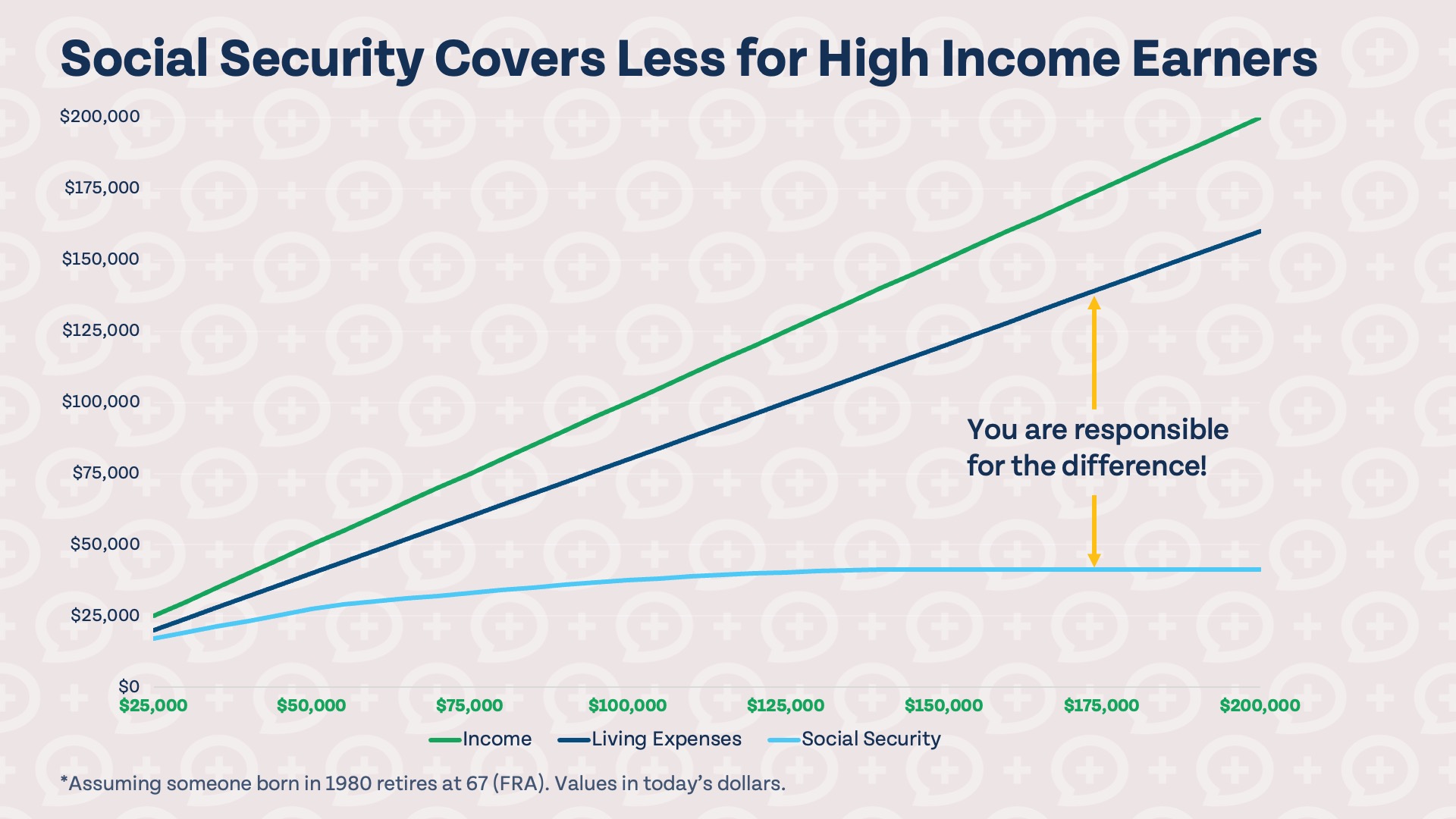
Articles
How Much Do You Need To Retire With an Average Income?
It’s easy to become discouraged if you have an average or below average income. Saving for retirement is normally more difficult with a lower income;...
Financial FAQs
Courses & Tools

How about more sense and more money?
Check for blindspots and shift into the financial fast-lane. Join a community of like minded Financial Mutants as we accelerate our wealth building process and have fun while doing it.
Free Resources
Financial Order of Operations®: Maximize Your Army of Dollar Bills!
Here are the 9 steps you’ve been waiting for Building wealth is simple when you know what to do and the order in which to...
Free Resources
Wealth Multiplier By Age
If you want to set yourself up for future success, find out how much you need to save every month to become a millionaire.
Free Resources
Car Buying Checklist
Here’s how you can buy a dependable car that won’t break the bank. Our free checklist walks you through the 20/3/8 rule and strategies to...
Recent Episodes

It's like finding some change in the couch cushions.
Watch or listen every week to learn and apply financial strategies to grow your wealth and live your best life.

Episodes
If You’re Between 32 and 48, Don’t Screw This Up
Rising income, compound growth, peak career years. In this new episode, discover why 32-48 could be the most powerful decade for building wealth and how...

Episodes
Home Prices Are FALLING, Mortgage Rates Are RISING (Here’s What to Know)
New data shows that new homes are now cheaper than existing ones. We unpack the 2026 housing market, our 3/5/25 rule, and answer your live...

Episodes
Financial Advisors React to UNBELIEVABLE Money Clips
Sequence of returns risk, $23K in debt vacations & spending recklessly to get rich? In this episode, we react to unbelievable money clips and set...