
-
▼


-
▼


Derek & McKenna have a fairytale romance. But is their sense of security merely a myth? We uncover BIG blind spots that could turn their dream life into a nightmare.
Learn more about how you can incorporate millionaire habits into your own life and master your money mindset. Cultivating a healthy relationship with money doesn’t need to be difficult, but just like any other habit, it must be practiced and perfected over time.
Enjoy the Show?
Where You Can Watch and Listen:
Subscribe on these platforms or wherever you listen to podcasts! Turn on notifications to keep up with our new content, including:
- Episodes of The Money Guy Show every Friday
- Episodes of Making a Millionaire every other Monday
- Mini-shows every Wednesday
- Ask Money Guy Livestreams every Tuesday
- Tons of other fun content!



Introduction: A Fairy Tale Romance (0:00)
Brian: Derek and McKenna have a fairy tale romance.
McKenna: So first day of class right—and I told my roommate I was like there was just one cute guy in my class—he was wearing a hat—like I don’t know his name but he was wearing a hat.
Derek: Walked in—figured this is my opportunity to find a cute girl—yeah—sat next to her and that was it.
Brian: They have a six-figure household income and an investable net worth of over $380,000. But is there a sense of security merely a myth?
Bo: Have you guys had the conversation around who’s going to take care of our kids?
Derek: Yeah we have a little bit—I start—just recently—
Brian: We uncover big blind spots that could turn their dream life into a nightmare. Would it be too presumptuous for me to say that hey if something happened to Derek that creates a financial problem right?
Bo: Like you hop in a car—get hit by a car—that’s the end—
Derek: No—no.
Welcome and Introductions (0:49)
Brian: Welcome to Making a Millionaire. This is where we help financial mutants build their Great Big Beautiful Tomorrow. I’m your host Brian Preston joined by Mr. Bo Hansen.
Bo: Brian I am so so excited because here at Making a Millionaire we get to do the exact thing that we love doing and that is helping people make better financial decisions. So today I’m so excited Brian—we are sitting down with some good friends of ours—Derek and McKenna. Hey guys—how are y’all doing?
Derek: Doing good.
Bo: Ah—thank y’all so much for hanging out with us and let us dive into your financial journey a little bit and learn a little bit about who you are—where you came from and how we can be a resource to help you do money better.
McKenna: Well I’m from here—born and raised in Nashville—Nashville—that’s super unique right—a native—yes—went out to Utah for college. That’s where Derek’s from. Met Derek in college—love it—got married and said I want to move back home so there was no option—we were going home. So—back here. Yeah—we have two little kids. We have a little girl who’s four and a little boy who’s one.
Bo: Oh—love it.
Derek: I’m originally from Utah. Okay. All my friends—family—born there—raised there—stayed there so I always wanted to get out. So when she said she wanted to move back home I was—I was all right with it. Came out here—started a job—started working there—after about two years changed jobs to a completely different industry—work in healthcare now.
Bo: Nice.
Derek: McKenna was working when we first moved out here for probably about three years as a photographer. Okay. And then had our first child and she stopped working.
Brian: Awesome.
Derek: And I’ve kept going ever since.
Bo: Now I got to be honest—my wife—she tells me that that is not the truth—that’s not the way it works. I did not have a child and stop working—I had a child and my job got way harder. I started working way more. So I imagine the same was true for y’all right? It just is a different type of work that’s grossly underpaid right? That’s the way that that works.
Financial Childhoods (2:50)
Bo: So we are going to dive into your finances—we’re going to talk about what you guys have going on and we’re going to look at that. But tell us about—growing up—what was your relationship like—what kind of financial households did you grow—what did you know about money as a child that you brought into adulthood?
Derek: Yeah—my dad is a financial adviser himself—
Bo: I—all right—we got to tighten up a little bit—oh—oh boy.
Derek: So I grew up kind of—you know—hearing from him—him teaching me a lot of the principles and just the value of money—you know—hard work for money—things like that.
Bo: So you never had some crazy story like—oh I went off to college and I got in all this debt and I just wrecked myself because I didn’t know what money was—that’s your experience—it doesn’t sound like—
Derek: No—the complete opposite.
Brian: But I am curious though because now I mean—because Bo and I resemble this—what age did you actually get interested or let’s say what age did you actually start investing?
Derek: I would say I first got into money though probably in college. Okay. Started when Robin Hood came out right—it was the whole—the whole game—open up an account—get excited—I started—I started trading—actually was trading oil and gold—oh wow—triple leverage funds—
Brian: Of why would you do anything else—obviously—that’s the way that we—
Derek: Dumb in college—I made a quick—you know—10% over a couple of weeks and thought man I’m—I’m a genius—
Bo: It’s the worst thing you can do is to be successful at the very beginning—exactly.
Derek: So was doing that with some buddies—you know—having fun with it but that’s—that’s what first got me going with it.
McKenna: So my dad’s a physician. Okay. I don’t know much about the finance world—sorry—no—but that’s-
Bo: Don’t know much now or didn’t know much then or both?
McKenna: Both. Okay—confession—so in high school we had to take a half a credit of personal finance and I like school—like I tried hard—I got good grades—I studied and personal finance was just not my thing. Like I—my teacher—I would drive him nuts and he’s like “Why aren’t you trying?” and I’m like “I just—it’s not clicking for me and I’ll marry someone in finance someday”—like I literally—
Brian: She called her—she went babe—called her shot.
Financial Communication in Marriage (4:50)
Bo: You know how—how do y’all communicate—do you talk about financial goals together and are you on the same page or you like hey no Derek it’s your deal—you got it—I’ll just follow your lead?
Derek: Both probably. Yeah. I think high level goals—aspiration of our future—we talk about it but as far as the main day-to-day in the weeds—that’s all me.
Bo: I want you to know you’re not uncommon and a lot of spouses—there’s one spouse who does the majority of the financial stuff and the other spouse who just kind of follows and trusts. But if you can use that as a tool to have those conversations it’s amazing how robust those conversations can be without putting you to sleep—making it a personal finance class—actually making it about—hey what are our goals—what are we trying to achieve—what are the things that matter to us. Okay great—because we are aligned there the decisions we make will then align with that. So it’s a great tool to allow you guys to be able to do that.
McKenna: Should we explain how we did things?
Brian: Yeah—I don’t know what you’re going to explain—go for it.
McKenna: I do have my money that has always been like my money—he doesn’t touch or really even know about and—
Brian: Is that like an investment account—a checking account—what—what is your money?
McKenna: Checking—right—just a checking account. I like—it’s been my account since I was like 12. It’s my little—I had a few thousand going into college and when we got married that was my—if I wanted to go shopping—if I wanted to spend unnecessary money—I just used my own little money that I had and I was pretty dang frugal with it—that lasted me a while. And then when I graduated college and I got a job I did have my job money go to that account as well. So he—I’ve just always had my own little money.
Bo: So even now still—are y’all—you kind of have separate—okay so walk—how do you as a household—how do y’all do join account—separate accounts—what does that look like?
McKenna: And I do want to preface with I think the main reason why I wanted to do things that way is I always knew I just wanted to be a mom—like number one goal was to be a mom. And so I really wanted—when I got my job after college I was like I want him to be able to have a job and be able to financially take care of us and not be dependent on my job because someday I’m going to stop working and I’m going to be a mom.
Bo: You still have your money now—now—today—you’re still—
McKenna: Lasting me—someday it’s going to run out and then we’re going to have to reevaluate how we do—yeah—the fight was gone.
The $100,000 Conversation (7:05)
Derek: I will say one conversation when you asked that question that I remembered is we actually in a Walmart parking lot—that’s how well I remember it—and I remember saying I don’t—I don’t—I don’t know why we were talking about it or how it got brought up but I thought you know I can live an incredible life off of $100,000. Sure. And McKenna goes “No we can’t—you need to—you need to set your sights higher and I think you can”—right. But for us—for the lifestyle we want to live—for the lifestyle we have—I always want to make more—want to make more than I have now. Sure. It’s always been my—
McKenna: That is one thing that—we do talk about quite a bit is I don’t ever want there to be kind of a cap—I don’t ever want there to be like a “oh this is our end goal of the money that he makes and then we’re settled”—always set another goal—always you know just kind of keep reaching higher and higher—I don’t know.
Financial Goals Discussion (7:49)
Bo: So let’s talk about those goals right? You—so you guys clearly have some financial goals. What are the goals that you are working towards? When you talk as a couple here’s what we want money to do for us whether it be today—5—10 or 30 years from now—what are your goals as a couple and what are those things that you want to be working towards together?
Derek: So I would say probably—I don’t know—probably more shorter—well I don’t—10—15 years down the road definitely want to pay for our kids’ college. Okay. That’s a goal of ours. Or help them out I would say. Okay. I think—help them out with paying for a car. Okay. When they turn 16—
Brian: Do y’all think that will be a conflict point down the road or do you think it will be okay to do the used car where the child even has to put some money up on it or is that going to be a fight?
Derek: It’ll be a fight but I’ll win.
Brian: Let’s—let’s—let’s make it—so you said you said your—your oldest child is a little girl—she’s four—
McKenna: All award—yeah—we have some time.
Bo: But she turned 16 and it’s time for her to have her very first car—McKenna—what kind of car are we getting her?
McKenna: What—we want—get—I’m totally fine with getting her a used car—a few years old but I want it to be safe and reliable—doesn’t need to be fancy at all—true—but I just am a little 16-year-old being told—nope you got to buy your own car—12 years from now that’s going to be expensive.
Bo: So you’d probably get her a used car—a couple years old—reasonable but you’re going to pay for it and you’re going to say hey here’s your car.
McKenna: Yeah. Yeah. And I don’t know—my parents—we bought—they bought a car and it was passed down from sibling to sibling. So I don’t know if we’ll do it that way and have all of the kids use it or if we just buy it for one kid and then buy another car and then be like this is your car—now we’re not going to help you—next time you need a car it’s on you—you know—
Derek: We’ve got an account that’s already tagged as the car fund—
Brian: Oh—I’ve seen it—I saw it—I mean it’s in there—I was—we’re going to talk more about that. Yeah—I—we’ll hit the pause button on that because I did have some questions on that account.
Values and Education About Money (9:49)
Derek: My dad really educated me—again like I said—on the value of money right? I had to work for it. So I truly recognized the value of a dollar. Sure. Right? What is it going to take to get there and then it made it harder to just go and spend it on anything. That’s my biggest goal is educating my kids—helping them understand and hey here’s—here’s—you know—what you can do with this money—here’s how it can really set you up for—for your future. So that’s my biggest goal but at the same time I want to help them out as much as I can. Sure. Help give them a leg up so that they can start—you know—five steps ahead of where I even was—you know—today or—or when I was in college with the knowledge to know how to do that well too.
Bo: Yes. I want to go back to these goals—said okay 10 to 15 years—want to pay for the kids’ college—it sounds like in 12 years or so I want to pay for the kids’ car. I have a third one—I want to educate my kids about money. Sounds like a lot of your financial goals are centered around the kids. Yeah. Sure. So you guys want to work forever till you’re a hundred—never stop working? Because their top priority seems the kids stuff—is that—is that true? Is when you think about the financial decisions you’re making—is the top priority you’re working towards to make sure the kids are taken care of and then you’ll kind of figure out your stuff later or is it different?
Derek: I may not be all the way at 25%—may have skipped ahead to saving for college and—and future expenses and things like that. I think you can tell where—a little bit—you know—where—you know where the Ws are—we’re coming for it at some point. I knew what I was getting into when I walked in this morning. But no—I—I—you know—definitely want to save for—for our retirement—want to retire one day—want to be able to travel—you know—go to wherever the kids are—spend time with them—you know just—just be free—not have something that’s holding me down.
Bo: I like that.
Derek: I do love to work. Yeah. So even—you know—and this may change when I’m—you know—60—65—my mentality may shift but even when I retire I would still love to do something. Okay. Keep me busy. Right. The exact day of retirement—whatever—you know—haven’t got there yet but I know that I want to retire.
Bo: What I’m not hearing is “oh I’m just ready to exit the workforce as quickly as possible—by the time I’m 40 I want to be done working and be able to travel the world”—that’s not what I’m hearing. I like working—I like the job that I do—I like the vocation that I’m in and I want to do it for a reasonable amount of time and then one day—if I’m hearing you correctly—yeah—I want to be able to do work because I want to—not because I have to. I want to reach that—I’m not there yet but that’s the point I want to get.
Derek: Exactly. I feel super accomplished. I—again always want more and want to get to that next step—not that—you know—I—I want to prove to everybody else but just for me myself—right—want to keep doing better—being better and making more money because that’s just—I’m a competitive person. Okay. So I want to compete with myself and continue—you know—climbing the ladder and reaching that—those goals that I have. But yeah I’m super happy with where we’re at—super—you know—blessed with where we’re at. Yeah. You know—but want to continue climbing.
McKenna: Yeah—we’re really comfortable where we are right now. I would say just for me—we have two little kids and we want more and so—we’re comfortable with our lifestyle right now and I just want to make sure that as we have more kids we still have this comfortable lifestyle because kids are expensive.
Financial Concerns and Questions (13:00)
Bo: So obviously—content—happy—life is feeling good. When you think about your finances—what are some of the questions you have? What are some of the things—man—this is the thing—when I think about the thing maybe I don’t have perfectly figured out or the stuff that gives us apprehension or nervousness or anxiety around finance—what are those topics for you? What are the things that you would say or maybe not financial concerns but things that stay top of your financial mind?
Derek: My financial situation I would say is really just starting to probably get more complex—you know—than just a basic knowledge and understanding can manage and maintain. Questioning how—tax strategy—am I doing the right things—am I—am I—you know—making the right steps—you know—are there things that I can tweak and take advantage of—you know—to improve my tax situation? Are there—you know—with my investments—I’ve—I’ve as I’m sure we’ll talk about and we’ll get there—you know just stayed very very aggressive right and I think that—that’s the stage of life that I’m in but—you know—over the next 10—15 years that may change and so that’s something that I need to think through. Sure. I’ll say one area that I know you guys are going to—you guys are going to pound me on is my insurance planning and my estate planning—
Bo: What—we going to talk about insurance—
Derek: Interest—kids and all these other things—those—those two—they’re in there—I know I need to get it done and for some reason I just keep procrastinating and don’t do it but I—
Brian: It kind of comes back to that question of how it feels to live because I’m trying to figure out the margin you guys feel in everyday life. Because—you’re—income—by the way you have a good base salary but you also have some bonuses—you have some—you know—restricted stock—option—I mean restricted stock units and other things that pay out from your company. So that stuff comes in in lump sums whereas you’re—you’re on a base salary. I’m trying to figure out when I pick on you about savings rates and other things—how much margin do you guys feel you have every month or is it because it—y’all based upon your answers you just gave—things are good—at the end of the month money’s left over and things are—are building up in the background?
Derek: Yeah.
Brian: Okay. I like that—that’s a great answer because that means buckle up. Y’all—you know—I’m all about the automation of making your wealth journey inevitable. Yeah. And you have all the tools—all the resources—now it’s just a matter—can we optimize it to set this stuff up to—to have a force scarcity—a cash management plan so it doesn’t necessarily squeeze your lifestyle? I still want y’all to be just as happy as you are now but it’s one of those things—every year when y’all have that conversation of doing the net worth statement—you’re like “holy cow—I can’t believe these small little incremental decisions resulted in these big life changes over the long term” and that’s going to be the part that makes your father smile too as he watches this as a—as the financial adviser too.
Current Financial Comfort and Risk (15:44)
Bo: What is it right now that allows you to feel so comfortable about your current financial situation?
McKenna: I know that we’re putting money away every month—like I know that it’s not—we’re not living paycheck to paycheck and so that makes me really comfortable.
Bo: It sounds like from a—from a marital standpoint you have a lot of confidence because Derek’s here right? Like Derek’s here and he’s able to kind of Shepherd and shield that financial burden from you. Would it be too presumptuous for me to say that hey if something happened to Derek that creates a financial problem right? There’s something that exists there. Yes. That now all of a sudden—okay you had all this comfort and all this security—what happens in that event right? And maybe that’s one of the things that we ought to talk about because it seems as an object of third party—that seems maybe one of the risks that exists for you guys. Yeah. So long as he’s here rocking and rolling—things are great—family unit is nice and it’s working. But if there was something that happened there then it probably does become a little more problematic. Is that a fair to say?
McKenna: Yeah—for sure.
Estate Planning Discussion (16:41)
Brian: I did notice in our notes when we were prepping for today’s recording—y’all don’t have a will yet. What—what’s—what’s the apprehension—why—why hasn’t that happened? Because it’s not this is the first child talk—I know it is but what’s—what makes it scary—what makes it scary for you guys?
McKenna: I don’t want to think about dying and leaving them—that’s scary.
Brian: But it’s so much easier to have it in your 20s though for that discussion—yeah—and 30s—I mean—versus you get my age and you’re like holy cow—we might be already over the halfway point.
Bo: Do you guys—let’s—you hop in a car—get hit by a car—that’s—that’s the end. Let me ask you a question—do—have you guys had the conversation around who’s going to take care of our kids?
Derek: Yeah we have a little bit—have we—yeah—we—I started—we just recently did.
McKenna: Well—my parents would definitely be—right—and it gets tricky too with age and stuff—my—I’m the oldest—my parents are younger—his parents are a little bit older plus they live out of state. It makes definitely the most sense for my parents to take the kids—they live 30 minutes down the street from us—they’re younger—but then obviously that’ll change as they get older—you know. Yeah.
Derek: I think having the conversation once we get past the—the fear and the anxiety of—you know—I don’t want to think about that—I think we’d be on the same page and it would be a very easy conversation.
Bo: But I think what’s interesting is you—you guys just even right there that interaction that you had—you said “oh yeah—yeah it’s clear” and he goes “who?”—yeah—I’m surprised—as difficult as it is for even you guys to have that conversation and for you guys to even make sure that you’re on the same page—you have to imagine for a moment how much more difficult would that be if something happened to you guys and then not only do your parents become part of the conversation but then so too to your parents—so too your siblings and then the state has something to say about it. As hard as that decision is to have while you guys are still on this Earth—it becomes exponentially more difficult to have if you’re not here to speak on behalf of what your wishes are. Because then you leave the family guessing—well I think my parents are going to be—well my parents are older and then your sibling says well no—no it should be us because the cousin—and from a risk management standpoint I got to believe above the finances and financial independence and above everything else in your life going on—your kids are probably your top priorities. So when you think—obviously we—we heard it on the list—it really was—when you think about the thing that you want to protect and the thing you want to make sure it’s covered—it’s probably that. And while you guys are here you feel confident—we can provide and take care of our kids—but part of the responsibility we have as parents is if we’re not here—who’s going to be that person and who’s is the same person who’s going to take care of the kids also going to be the person who’s going to take care of the money to make sure that the kids are taking care of and provided. Those are really really hard conversations to have but dare I say for young parents who are square in the messy middle—which is exactly where you guys are—they’re probably the most most important conversations to have—even more so than savings rate and investment structure and like—those are the ones that matter because those are the most unknown unknowns. You hope that it never happens and it’s never something you have to deal with and it’s a non-issue but if ever were an issue you’d want to make sure you solved that one. And—and realistically there are—it’s a difficult conversation but an easy problem to solve. You sit down and you meet with an estate attorney or you guys work together to figure out—okay this is who we want to take care of the kid and this is how we want the money and this is what we want—this is our vision for their life. I think in terms of prioritizing stuff that you ought to walk away from here with—that’s a big one—do we have wills and estate documents in place to explain what our wishes are.
Brian: And look—the reality is you guys are so far away from this actually being the real concern—it’s more of just a risk mitigation right? It’s more of a thought exercise at this age but I’ll will tell you—doing it early and—and kind of the peace of mind that comes from that and then also you’re going to get—one day you’ll wake up and you’ll be my age and you are at that point where you’ll still know this exercise was valuable because there’s a plan that’s already got the intention—it lets your emotions—let your desires be recorded versus your loved ones—because I think y’all would be—struggle with the abundance of too many loved ones—too many cooks in the kitchen—trying to figure out how they love on this situation and it creates chaos.
Life Insurance Analysis (21:03)
Brian: But we’re going to talk about life insurance and here’s the good news—let’s talk about it right now. This is a great time. We sell life insurance—you know we’re—we’re feeling fiduciary advisers but it is one of those things—because—you—you’ve already said it Derek—you said I know you guys are going to pick on me. Tell everybody how much life insurance you have currently and then tell us what—what’s the apprehension on where it’s at? Because you’ve heard—I loved hearing McKenna share how comfortable and confident she is in you but then to hear kind of the life insurance part—there’s a little bit of a disconnect.
Derek: Yeah. Yeah. No—definitely. Right now I have—I think through my work I get for free two times my salary. Okay. I will say before I did increase that—I think to maybe a million dollars. Okay. But probably two years ago or so our company got bought out—you know—changed the whole plan and everything and—and ever since then I didn’t carry it over—didn’t renew it—didn’t do any of that. So honestly I would say probably the apprehension or the reason I haven’t done it is just—you know—lack of doing it—
Brian: Is—is there fear of expense—is there fear of health or any of that stuff?
Derek: No—it’s just—okay—no it’s just—yeah—it’s just procrastinating—not doing it—it’s an important financial thing that fell in the back burner and it was easy for it to fall in the back burner.
Bo: So again I want to make this real and I hate to make it so real but—make it real—something happens to you—you walk out—you get hit by a bus and all of a sudden you have whatever you guys have saved up right now plus two times his annual salary—how long will that allow you and the kids to continue to live the lifestyle that you would like to live?
McKenna: Not very long—probably—I mean probably about two years right—before you—
Bo: So when—when we assess your situation we say man there’s a—there’s a big need there and there’s a current solution and the solution of the need—there’s a big chasm between the two that is probably worth filling. Now the great news for young people is that is a very easy problem to solve—it’s pretty cheap for what you get at a very low cost but that also—be another big risk that you guys have—if something were to happen—is it going to be enough to provide for your family if you’re gone. And then do you have life insurance currently—is she covered with these—
Derek: No.
Bo: So again—stepping—now maybe the bus doesn’t hit you—it swerves—it swerves—misses you and hits you tomorrow—you know—she says that she stays home—takes care of the kids—tomorrow you got to go to work—who’s—who’s watching the kids?
Brian: It’s tough. It’s not just for the kids—it’s for—if you can’t go to work—because I mean that—without a doubt—a loss of that type would derail your ability to probably economically be able to provide for yourself the way we’re going to talk about with you guys saving and building assets. You’ll be able to self-insure this risk when you get to be my age but while you’re young and in this messy middle where you have young kids—growing family—you’re trying to find traction in the—continue to build traction in the career—let’s—let’s buy that risk out way—by buying cheap term life insurance that covers us for the length of time that we have this risk. And when you see how cheap this is—I mean—where do you want to roll that?
Bo: I was going say one of the things that’s unique about getting to sit here with you guys is rather than just explaining to you academically—here’s an idea—we actually did the work for you guys. So if you’re okay—we want to share with you an insurance analysis that we did for you guys—walking through what your insurable need is and then what we think a reasonable solution would be and we went ahead and priced it out for you. Again—our job here—this—Burger King—we want you to have it your way—we’re trying to make it as easy as possible. So we know that right now you have two times your current salary and you do not have current—any—currently any life insurance coverage. Well we know if something were to happen to you the insurance needs to replace income right? Needs to replace income that you were bringing in for the household. There’s obviously a mortgage out there and there’s some desire that I imagine—one of the goals you guys have—college—is going to pay for some portion of college. If something were to happen to you then even funding college now becomes a void that for two children would need to be solved. So what we did is we did an analysis showing Derek—your estimated insurance need. Now the way this is laid out is we have your current portfolio down here where you are currently—because obviously if something were to happen—you have the resources you’ve built so far and then you have your current insurance. So we have your current portfolio and your current insurance. We mathematically calculated—I’m use a bunch of big words here—I’m going to explain what it means—we calculated the present value of your future earning potential and then we took the present value of how much college would cost when the kids get there and then we took the value of your mortgage today and said if we put all that together—how much would need to be in place if you were to die tomorrow for you to be able to still do all those things—still be able to live financially independent—still be able to send the kids to college—pay off the mortgage if you so chose. And what we determined is that your insurable need Derek is probably somewhere close to $5 million or so.
Derek: Doesn’t that sound—number sound huge though—
McKenna: Sounds big—right—it sounds really big.
Bo: But again—you’ve laid out the goals that you guys have and so that’s realistic. And right now—covered at two times salary and you have your current portfolio which the sum of those two is not quite at $5 million yet—so there’s a void right? There’s a chasm they need to fill. Well one of the things we said—said okay—well what are some things they could do—and we love low-cost term life insurance. And what we recognize too is that some of the stuff will decrease over time—your mortgage will decrease over time—once the kids are out of school you don’t have to pay for school anymore and as your portfolio grows it replaces more of that—so your insurable need decreases through time. So your insurable need decreases through time. So what we determined—there’s really two options that you could satisfy this void for where Derek is. Option number one—we could look at a $2 million 20-year term policy. We went and priced that out at the second highest health rating—assuming that everything’s normal which it seems—you guys are young—that’s going to happen. For you to get a $2 million policy for 20 years is only going to be somewhere around $900 a year—not a month—a year. Yeah. You—sleeping better at night knowing that if something were to happen to Derek—having that money in place to be able to provide for the kids—is that worth $900 a year?
McKenna: Yes—obviously right.
Bo: So we could look at a $2 million policy for 20 years and we could look at another $2 million for 25 years because we think that the void is probably somewhere close to $4 million that you—that you’re—that you’re underinsured for. A 25-year—$2 million term policy—you’re looking at about $1,350. So you could have $4 million of insurance for right around $2,000 a year—that’s just not crazy right? That’s not wild—or if you wanted to you could go get a 25-year term policy for all $4 million—it’s going to be a little bit more expensive—somewhere between $2,600 and $2,800—but then you know that you’re covered all the way out for 25 more years.
Brian: And—and we’re going to talk about what’s retirement look—what savings look—odds are that 25 years from now you’re going to be self-insured—you won’t need it anymore. But right now while you’re at this stage in life and super young—it’s going to be there to cover for you. Yeah. I like the idea of laddering the coverages because then it lets you have multiple policies—they drop off at different—as the need goes down—it—now it does create additional complexity because you have to make sure you pay the premium on the multiple policies but it is a nice way to cut cost but also to just give you some diversification as well as match you with the timing of your assets growing in the background. And that’s what a lot of people will treat insurance as an investment—we treat it as a risk mitigator—is that because I want you—and that’s what I love about the cost being so low—this isn’t going to derail you from all the investment and other goals that we’re going to be talking about. This is just protecting y’all as a family so we can move on to some of these bigger goals because this is the most necessary thing but the least loved thing. Nobody gets excited—as McKenna as you shared—nobody gets excited about—but this is one of the biggest things I feel we can help clients with and we’ll even hook you up with a checklist so when you get your wills made you can go with this completed so you can have a lot of these discussions. Because I’ll save you money too because attorneys are not cheap. So if we can give you the homework to actually have this conversation—healthy conversation—you won’t be caught off guard when you’re meeting with the attorney and you’ll save money since they bill you by the hour. So we—we’ll hook you up with those tools as well. But it’s not just you that has an insurable need—we also said McKenna—you have an insurable need. So we did a capital needs analysis for you as well and essentially what we have is we have the portfolio that we have in place but odds are if something were to happen to McKenna—you don’t want to start burning through your portfolio assets—so there probably is some insurable need. The good news is is mortality-wise—ladies are expected to live longer so the premiums for you are actually even cheaper than they are for male counterparts. And so what you can see is for a 20-year term policy for a million dollars you can get that place for somewhere between $500 and $550 a year—it is just incredibly inexpensive. So what we just laid out is that putting some term policies in place for both of you can likely be done for around $2,500 a year and you can literally check that box and not have to worry about that one anymore. So if I’m giving you more homework—homework items—one of the things I would think about is—hey should we—this is not specific recommendation—this is just general advice for you to think about—should we go look at getting some term policies in place—maybe $4 million for Derek—maybe $1 million for McKenna—and then we can say hey—we have checked our life insurance need—our kids are going to be provided for—now we can focus on the fun stuff—now we can get to talking about what kind of car are we going to buy this 16-year-old little girl when she gets there.
Brian: That is not where I—that might be where they want to go with it—that’s not where I wanted to go with it.
Savings Strategy Review (30:30)
Bo: Awesome. All right. We talked about some of the risk management—we’ve talked about some of that. Let’s talk now about the fun stuff because we don’t—insurance is something people spend money on they never want to use—hopefully you never actually get to utilize your life insurance—that means you wasted that money for 25 years—good—it means you didn’t die—that’s a win in our opinion. Now let’s talk about the fun stuff—saving. When you guys think about saving—when you think about building—when you think about growing your assets—walk us through what y’all do. Where do you save? Where do you put your money? Where does it go? How do you decide how much? What’s that look like?
Derek: So the automated portion of it—the easy stuff right—is 401(k). Okay. 6% goes to 401(k)—get the—the maximum match from the company—
Bo: Is that what’s required to get that match—6%?
Derek: Yep. It’s a 6% and then a 4.5% match.
Bo: Oh that’s great.
Derek: And then I put—I think today—about $6,000 away into an HSA. Okay. Which I’m getting better at using it the mutant way—
Brian: Uh-huh.
Derek: —versus is just a transactional account. I put $200 away for each of the kids’ 529s. Okay. So $400 bucks total. And then I think the only other one that may be automated is my Acorns account which is the kids’ car fund—oh there we go—okay—which I put—I think $100 a month into that and then $25 a week—
Brian: Real financial mutant stuff—$25 bucks a week—can I tell you what I think is going on subliminally? Because I did the exact same thing. When my daughters were born I set up a—a few hundred—it started off as $100 a month—it turned into $200 a month into custodial accounts all because I had this big fear that my wife was going to want big weddings and I’m such a tightwad on things. At the time—I’ve gotten—I had to trade in my tightwad card—but at the time I was so stressed out about it I was like I’m going to go ahead and front and load the funding on this so this is not an argument down the road. I couldn’t help but when I saw this Acorn account and then I know it’s supposed to be rounding up but then I see that you’re putting in $25 a week so it’s—it’s a little more intentional than just a rounding up. Is this because you were trying to cut a future discussion point—corner—off of it?
Derek: I said cars—it’s for the cars—
McKenna: Cracked me up because—use it for other things but—
Brian: But—but that’s—that’s the car fund. It’s kind of romantic in some ways that he’s going ahead and trying to make sure that he cuts the corner off so y’all don’t have a fight in 14 to 15 years.
Emergency Fund Assessment (32:48)
Bo: So whenever I—whenever I hear this stuff I’m thinking through okay—Financial Order of Operations—I’m hearing parts and pieces of where you are in the nine-step tried and true process and so based on the way you’re saving I’m going to assume that means you—you got a fully funded emergency fund. When you guys talk about your—how much—how much money do you have sitting in cash right now—true blue emergency fund sitting there that I would say is—is truly tagged as an emergency fund?
Derek: We have about $25,000.
Bo: Okay. $25,000. So as a—single—income household earner with young kids who’s a high income earner—I know that the rule of thumb for you guys is going to be about six months of expenses inside of emergency fund. So when I take $25,000 sitting in emergency fund and I divide it by six—that means that you guys only spend about $4,100 a month—that didn’t even cover—
Derek: Oh—that’s not—wait—that’s not—uh-oh—uh-oh.
Bo: Okay so walk us through—$25,000 but you know that’s probably not enough to cover the emergency fund—where’s the thought process there?
Derek: So—so $25,000 is in a high-yield savings account. Okay. And again that’s why I say that—that’s tagged 100% as emergency fund but I’ve got a brokerage account—I’ve got additional cash sitting in that brokerage account as well—okay—you know money invested that—that I know—you—additional cash sitting there—money invested—which one is it? I’ve got both. Okay. I’ve got both. I’ve probably got another $25,000 sitting in cash in that account.
Brian: Oh okay. What’s it for?
Derek: It’s—if the market goes down and there’s a good opportunity I can—I can invest—if I need to—you know—take it out for an emergency—it’s there as well.
Bo: Okay. So Derek—that—this poses a problem. Let me—let me take you through a real life scenario. I want to rewind—it’s 2008 and the Great Recession hits. You know what happened to stocks? They just started cratering. So a financial mutant yourself says “holy cow—I got to take advantage of this—I got to jump in—there’s low stocks—I’m going to go in here and buy.” Well—2008 fell a long way so you just—figure this out about halfway through the year—you bought—market kept going down. Well then all of a sudden the economy gets really painful—it hits the skids and now there’s a shift in the healthcare sector and all of a sudden there’s a huge reduction in force—rains of pours—where they say “hey market’s going bad—stock prices is getting hammered—we’re gonna have to lay some people off” and unfortunately your number is one of the ones they call and now you’re out of work. So now that money that was sitting there that was going to be opportunistic when stocks fell—you used it for that purpose and then the worst case scenario happens—an emergency happens—you don’t have any income coming in—yeah—you got a problem.
Brian: By the way—this is a financial mutant risk that I see all the time. I fell into this. I’ve detailed it a lot when we’ve done content—is that financial mutants can’t stay in cash is because you feel everything should be working for you. But the reality is and I got humbled on this and—and—and anybody who’s heard my story—I got so humbled on it that I—I was literally praying—get me through this and I’ll never do it again. And I’ve tried to pay it forward by telling everybody—don’t fall into the—the access to cash trap that I fell into—is that Bo is exactly right—that when it rains it pours. I know in the Great Recession he was probably thinking of me as he was sharing that—as because I had a home equity line with over $100,000 of access—literally a debit card—a checkbook and everything that they gave me. I—I did not keep my cash as high as it was and for me it was my—my revenue of the firm went down 40%. When I say revenue of the firm—that means my pay went down too because I’m the one that it’s all feeding down to my family. But I don’t get to give pay cuts to employees or anybody else. My real estate—the bank—Wells Fargo—I’ll never forget—it was on May the 4th—you know if you’re a Star Wars nerd you know that’s always an important date—I got a letter from Wells Fargo saying that home equity line that you’re counting on for access to cash is completely gone. And then it was just—it was everything and anything had gotten crushed because the stock market was also getting beaten up. And by the way—this is not something—everybody thinks the Great Recession was just 2008—it was bad on the real estate side for 2009—2010—2011. It really really didn’t start seeing things go back up until 2012 on real estate and some of those other things that I was counting on. I would encourage you to put a moat around your emergency reserves. It’s almost something that is so valuable—there’s a reason that when we talk about the Financial Order of Operations it gets two steps in the nine steps—is because it is cash that will protect you from the desperate decisions. And I think that you have built—y’all’s relationship is so beautiful in the fact that there’s a lot of comfort—a lot of trust and that builds something that—that’s really really special. This is going to be the stuff that I see as being the—the—the pothole that really can derail that is if—if it’s on—built on a house of cards versus being truly having the foundation. And you’re—you’re so successful with opportunity that you don’t have to fake it—you don’t have to kind of build this thing on a house of cards—you can actually do it the right way—get the fully funded 6 months and—and—and you’ll be much better. Because even if Bo does the exercise of $50,000 divided by six—it’s still—I know enough about where your mortgage is and other things—that’s not even where—where you likely should be. We should beef that up even more.
Derek: It’s just so hard to put $50,000—$60,000 into cash.
Bo: Well tell me this—inside your brokerage account that $25,000 you have sitting there right now—what’s it earning?
Derek: Nothing.
Brian: Oh—so you know—it’s worse—financial mutant that doesn’t even earn money on the cash that’s—
Bo: So let’s do that. Let’s do the exercise. If we take $25,000 plus another $25,000—that’s $50,000—we divide that by six—now we’re at $8,300 a month. Could you guys live off of $8,300—does that kind of match more closely to what your living expenses are? So if that were the case then the argument that we would make is that all of that should probably be in a high-yield savings account. Well the great news is that right now high-yield savings accounts are paying 4.75%—so while it’s not super fun and while it doesn’t get you super excited—if you just take $50,000 and you can make 4.7% on that right now—that’s another $2,350. So one of the things I would think through—again if I’m thinking through homework items—is we probably ought to—if we’re really going to follow the food—we’re really going to do risk management—we’re so successful that we don’t have to get cute with it—I would think about chiseling that money off—actually as your true blue emergency fund—somewhere around $50,000 in a high-yield account and then—you know what—once you’ve done that you don’t have to think about cash anymore—have to enter your account.
Brian: I like $50,000 as the minimum but because I already see you wired as this funny—I think it’s $50,000 to $60,000 because that’s going to let you not only have the—the—the moat of lifestyle and expenses covered but it’s also going to let you scratch that itch of having some—some capital down the road. And—and by the way—$50,000 needs to be your first number to reach but then after we true up some of these other steps of the Financial Order of Operations—that’s going to be where you come back as part of Step 8—is probably to get that up to $60,000.
Derek: Okay.
Brian: That’s my thoughts.
Savings Rate Analysis (39:54)
Bo: All right. So we have—so we’re going to—you know—fix that problem right? So we’re going to do that and now we’re thinking about our savings. So we got 6% going into our 401(k)—then we have another $6,000 going into our HSA and then we have 529s—I’m going to argue that’s not part of a 25%—that’s part of a prepaid future expense. We have Acorns—I’m going to argue that’s not part of the 25%—it’s part of prepaid future. So if I take 6%—401(k)—and then $6,000 HSA—I’m not quite at 25% yet. So walk me through—walk me through the mind—
Derek: I put probably an additional on top of that—it’s again not automated—I would say somewhere—conservatively I would say maybe $1,000 a month into—into brokerage—
Brian: And give me clarification because you—and as I shared this earlier—you have a base salary but then you do have bonuses and RSUs that hit at different points. Walk us through kind of how your cash flow works because I don’t want to put pressure—this is something I always tell my—my—my clients who are highly compensated employees but they have bonuses—don’t build your monthly saving off of the total comp because you’ll drive yourself crazy because those bonuses are probably going to be a big catch-up for you. Walk us through how you’re saving because—because really I’m seeing 10.5% but it’s—it’s not even 10.5% because you guys are dangerously close to being high enough income that I don’t even want you to count the employer match—you don’t get to count—get to count it—you know what I mean? You’re successful and that means more of this weight falls on your shoulders long term. You’re at 6%—is that how much—because you said you’re catching it up some with the bonus—
Derek: About $1,000 a month—he’s going to the brokerage—so $12,000 of the—the bonuses and stuff—$12,000 goes into brokerage. Put about $7,000 into my own Roth IRA— And that’s another step I need to do—
Bo: And McKenna, why was he so specific in saying his own Roth IRA?
McKenna: Yeah—where’s mine—where’s your Roth IRA right?
Bo: Because one of the beautiful things is even for spouses that stay at home—even if they don’t have earned income—so long as the working spouse earns enough—that not only can he do an IRA contribution—we can also do spousal Roth or IRA contributions—oftentimes Roth—we’re not doing that.
Derek: Last year was actually the first year that I even funded my own Roth IRA. And this goes back to the very early days when you asked about my—you know my investment experience—my—my base—my background—to me it’s always been the stock market right? That’s where it’s fun—my brokerage account I can get to it if I need it right? So—so that’s where—you know—I know you always tell the story on your—on your show that—you know—you missed so many years of—of investing right—early on. I did as well into my Roth—right—but I did put it in my brokerage account so I’ve got a good—a good buildup there but it’s probably not in the best places or best funds that it can be—by doing the Roth first.
The Power of Roth Accounts (42:47)
Bo: So you have—you have a large brokerage—how much you have—large brokerage asset—after-tax asset bucket sitting there. Okay. Give me—give me an idea of what large is—what’s that mean?
Derek: I think it’s $170,000.
Bo: $170,000—that’s big. $170,000. Okay. So here’s-
Brian: Can I pick on him a little bit about the government? They restrict how much you can put in your Roth—they can restrict who gets to put the money in the Roth. The only reason they do that is because it’s so good that they don’t want to give you—because y’all know—y’all are also young enough—you know I share it all the time for a 20-year-old that $1 can become $88—for the 30-year-old that $1 can become $23. You guys—I mean that is—you start thinking about $7,000 growing completely tax-free—it’s good that you have this large brokerage account but you’re also going to feel the—the headwind of taxes on that. I mean especially because here’s the thing—more money—more problems in a lot of ways is that your—your tax rates will continue to go up and as your taxable account generates income for you—you’re going to fill it more and more—whereas your one ray of sunshine is going to be those Roth accounts. And that’s—I—you’re—you’re exactly right in Millionaire Mission—I talked about the fact that if you added it up I missed some Roth contributions between 1998 when these things became available and now. And I look at that with such regret because—and I think you even have the opportunity to load up McKenna’s account too. And that’s not only going to serve building up these tax-free assets but I can tell you as a person that’s getting—been married close to 30 years—I think there’s some ancillary benefits long term because my experience is is that as you get older—unfortunately in this world you’re going to see friends—relatives—where their marriages don’t stay as stable as yours. But that—that still creates a risk where insecurities and other things—it’s going to feel good both financially and emotionally that there are assets building up in the background. You already saw it with McKenna—she talked about it’s kind of Linus and his blanket on Charlie Brown—you said—because you came into the marriage with this account and you’ve have a sense of security with that. I would love to lean into that and nurture that a little bit more so you continue to build this confidence and—and—and feel it’s a feature that—that how good Derek is doing but also as a team you guys are building something pretty special.
Bo: Yeah. So all right—we’re going to give you some grace—you haven’t done this before—that’s where the grace ends because here’s what I just learned—you got $170,000 in a brokerage—we’re going to immediately just take $25,000 out of that to put in that emergency fund—you already said that—so I’m assuming we got to go $170,000 minus $25,000—I don’t do public math—what’s that equal—like $145,000—this—you know—prehistoric calculus. So if I’ve got $145,000 sitting in a brokerage and I just take $7,000 out of it and I put it in a Roth—or I take $14,000—I put it in two—I—I still have a huge brokerage account—it still exists there. So I’m going to argue—even if you can’t fund it out of cash flow—which we’re going to talk about in a second—I think you can realistically—you should never have an excuse ever again for not funding your Roth now because you have the brokerage account—you got the bank sitting there and you can just move money over if you need to—if you can’t save and—and at 30—early 30s—late 20s—right—at that age—every dollar that you can save is going to be insane in terms of what it comes into—you know—it’s the only thing better than little dollars turning into insane big dollars—little dollars turning to insane tax-free big dollars because that’s what the Roth can do for you.
Brian: Sometimes it’s better to be lucky than good and I’m going to tell you—you’re falling in the camp—I think you’ve fallen the lucky camp and the fact that your income is getting dangerously close to where you might make too much money to do the Roth as a couple. So that opens up because you just answered that question so well with Bo—that you don’t have rollover IRAs—you don’t have SEP IRAs—you’re going to qualify for when you do—a backdoor Roth—where which is basically conversions of traditional IRA contributions into Roth IRAs. So I think it’s okay that you’re building up in the brokerage account—we’ll talk about how we’re going to build that up and then funding those backdoor Roth accounts for both of you—it’s going to—it’s actually lend itself to work off the structure you’ve already created. So it’s—I said it’s better to be lucky than good and I think that’s going to work out very well for you guys and we’ll put that on the homework list too.
HSA Optimization (47:07)
Bo: So I don’t know if you’ve noticed that we’ve been kind of—accidentally—it’s not an accident—we’re professionals here—going through the Financial Order of Operations. We talked about emergency fund—we talked about step four—now we’re in step five—we’re talking about Roth IRAs. I do want to just pause for a moment—you know the only account that I think—my opinion—hot take—is better than a Roth IRA—he same account and the only reason is is because it works a Roth IRA except for you also get a tax benefit on the front end. You said that you’re putting $6,000 a year into your HSA starting this year—that’s not the family max—family max is something over $8,300—right—but the employer is putting in $2,000—so that means you’re at $6,000—you could be doing $7,300 because you got to include the employer match—that’s another $1,300 that could be going in that—not only could you get a tax deduction on the front end—so you guys are probably—what—we decide they’re in the 22%—where we thought it around the 24%—24% tax bracket. So if you guys in the 24% tax bracket—every dollar that you put in your HSA is going to save you 24 cents in taxes and not only that—it can grow tax-free just a Roth IRA—if you let those dollars be invested and let them grow. So I’m going to argue even—you know you said I like my taxable brokerage and I’m putting money there—you got a lot of stops that you should be hitting before you get there—max out your Roth—max out your spousal Roth and then max out the HSA and then we can start kind of keep moving through. So now again—we’re just kind of going through the financial order—we get to step six—we talk about the retirement plan—we talk about the 401(k). You said you’re doing 6% in there—you’re doing Roth—you doing pre-tax—how’d you go about thinking through Roth?
Derek: Okay—awesome—all Roth.
Bo: You know what—I don’t—I don’t hate that. What state do you guys live in?
Derek: Tennessee.
Bo: Tennessee. What’s the state income tax in the state that you guys live in?
Derek: Zero.
Bo: Zero. So we don’t have to think about marginal state tax rates—we just got to think about marginal federal rates. Well when we look at your situation and we go look at your marginal tax bracket—it seems likely you guys are going to fall into the 24% marginal tax bracket. Our rule of thumb is is that if you look at your marginal bracket—you’re below 25% and you’re young—Roth becomes incredibly compelling because odds are your portfolio is going to get big and later—later in life you’ll be in a higher tax bracket and so tax-free dollars will be super super valuable. If you’re in a higher tax bracket—30% and above—then pre-tax becomes very very valuable because of the current year tax benefit. So I love the idea that you’re doing 6% into the 401(k)—into Roth—because what’s beautiful is now we have 6% going into Roth there—we have both of our Roth IRAs growing—we have our HSA growing—we have got tons of tax-free dollars growing for the future.
Brian: But if you love 6%—I have to ask because this is the question I have is—because we know that for a 401(k) you can actually—I’m assuming—this is my question—you are highly compensated—are they restricting how much you can put in there or can you do the full $23,500?
Derek: He can go—full—$23,000 this year. Okay. $23,000.
Brian: Why not?
Derek: I think just to again—fund the other—the other accounts we want to get to—the kids and keep money and—to keep money—yeah—fund the other—the other investments—
Brian: And by the way I love taking care of the kids and you guys have enough—I think we’re going to be able to do it but it’s just—there’s a time and a place and I’m just trying to make sure and you—I said you guys are doing great stuff—it’s just a matter of fine-tuning this. I would love if you would take your compensation—your contribution rate from 6% up to 10%. I know that’s squeezing you a little bit but it would get you really close to actually maxing out because I think you—with all your bonuses and everything else—and by the way if you want to because it’s a cash flow issue—a lot of employers will allow you to put your bonus compensation as a higher contribution rate than your base salary. So you could—you could keep your base salary 6%—8%—maybe 10% if you want to stretch yourself but then you can make your bonus compensation 12%—15%—so that way it’s not squeezing y’all’s monthly cash flow. But I’d love to kind of challenge you to create that automated—inevitable wealth building journey because you are—you’re—you’re at the dangerous point of your—you shouldn’t be able to count your employer’s match—you’re so successful I want you to build some separation and start that—that process of letting the money pile on top of itself.
Pain Point Discussion (51:35)
Bo: When we are telling you hey—you got to be—you ought ought to be saving more money—how’s that make you feel? Does that make you nervous—uncomfortable—do you feel oh—how are we going to do this—how are we going to squeeze this balloon?
Derek: No. Well let me ask you this—is it—is it saving more money or saving it better?
Brian: The answer actually is both and I just did the math for you—that’s what I was actually—glad I was trying to figure out—y’all have not—you’re not giving us enough emotional feedback to know how much pain this is causing. Because most people when I say hey I need you to increase your savings rate 10%—they—they—they will give me an emotional reaction to where I know I’ve hit the bone—you know that we’ve cut so deep. You guys—I’m still kind of trying to figure out where your pain point is or if y’all just have that much kind of rolling that we could fix this and this is going to be happy days with no—no stress—
Derek: No I think stretching—you know—everything that we’re talking about—piling on—right—is—is definitely painful—it’s—it’s—it’s—oh crap—
Brian: You’re supposed to be in the messy middle—I mean this is supposed to not feel super easy—
Derek: How can I hit all of these things and—you know—like you said—I know you’re going there right—following the—the order of operations—is that—kids—that’s—that’s—you know—there’s some of these goals to us that have been such a big—you know—important goal that—you know—we have skipped over some of—you know—completely checking the box on 1—2—3—4—5—right—getting all the way up. So I—I would say it’s—it’s definitely painful.
Derek: I’ll say as well—I came in here thinking I’m doing really good—I’m really smart—right—feel a little bit different and—
Bo: Don’t—don’t—you are doing really good—you are really smart—those are—objectively true—those are true statements. Could you be doing more and could you be doing better? Yes. I—I went ahead and did the math because hey—we’re sitting here—why not do the math to give you context? You’re about $20,000 short in your savings right? So if you’re thinking about how painful does it need to be—the answer is about $20,000. I figured out what I estimate you’re currently saving based on the numbers I know versus what we think you ought to be saving. So that in your mind should be—okay that’s where our shortfall is. So then when I think about the Financial Order of Operations—how should I be attacking this? What I want you guys to think through and maybe you even jot these numbers down—okay—going through step five—$7,000 to my Roth—$7,000 to my spousal Roth—$7,300 into my HSA—my employer is also going to put $2,000 on top of that. Then I’m going to max out my 401(k)—I’m going to do another $23,000 into my 401(k). What’s great is even above and beyond that at the income level that you’re at—you’re still going to be able to save money into your taxable account—you’re still going to be able to have and you could stay around that $1,000 a month going into the taxable account. And if you can do all of those things you’re going to be able to check that 25% mark—you’re going to be able to hit that. Right now you’re not exactly doing that—you’re doing about $12,000 into the taxable—you’re doing—you know—somewhere around that number into your 401(k)—you’re only doing a single Roth and you’re almost putting the money in the HSA. So about a $20,000 shortfall to be able to be doing 25%.
Retirement Analysis (54:48)
Bo: So I’m just thinking about if I were sitting in their situation—why does it—why am I—do—why—why should—we’re doing great—we feel comfortable—life feels awesome. Again—we had the ability to do this so we wanted to take it a step further and we think that when it comes to really setting financial goals but making financial goals feel real—we wanted to begin with the end in mind. What are we working towards? Why—you know—why are we doing this? You guys kind of told us what you thought retirement might look like in terms of your spending—if we could just maintain the standard of living that we have right now—what would that look like—how do we know we’re doing the stuff that we should be doing. And you told us—hey based on where we are now—this is what we would to have to be able to live the life that we want to live on our terms. And so again—using our—you know—fancy Dancy financial math—we figured out what the need would be for you guys to be able to retire right now and we did a retirement analysis for you. And what we know is that right now if you were to retire a day—to live the life that you want to live and be able to fund all the things that you want to be able to do—you guys need about $5 million today.
Derek: You’re not there yet—no—
Bo: But we know that that present value of that is $5 million. Okay. What does the equivalent of that look like at age 65—at a normal retirement date—what is your number? Spoiler—we used our tool to do this—you’ve heard us talk about the Know Your Number course—this is exactly what it does. We know that the number you guys are working towards is about $8.1 million. So you think about where you are today—the number that you need to get to—your number that we’ve defined based on the information you’re given us—is about $8 million bucks. So we said okay great—we know where we are—we got plenty of time—surely we’re going to be on track to hit that. Here’s what we uncovered—even though you guys are comfortable—even though you guys are doing great things and doing the things that you’re supposed to be doing—when we look at what we project out and we make a reasonable rate of return assumption and we make reasonable inflation assumptions—here you guys are on track by 65 to hit about $6.5 million. We determine that you need $8.1 million and you’re on track for $6.4 million. Give me some—give me some feedback—
McKenna: Uh oh.
Brian: But it’s not really an uh-oh—it’s it should be aha—uh-oh if—if you guys were 61 years old and we were having this conversation—it’s much harder—it’s much—right now at your ages it shouldn’t be uh-oh—it should be—oh—shift of change versus—oh my gosh we have to do—apple cart turnover—that’s what I love because there’s so much time here—it’s so much time that even $6.4 million—it’s hard to even put your mind around what that means from purchasing power because of inflation and everything else. But I can tell you the spread between $8.1 million and $6.4 million is really—is small incremental changes—that’s a—that’s an awesome thing. You know—that’s why I know it seems we’re throwing a ton at you in—in this time that we get together but this is—this is a success story waiting to happen—it really is. And that’s what gets me excited because these are small decisions that I think you guys—and that’s the part I look forward to and I love when we get to work with clients is that every year when we get to have those update meetings—I get to see the after—it’s an improvement show—you know—we get to see the chaos that you have and then we get to see 12 months later—what did we check the box on—what was fixed—what are the new projects we’re going to do. I think everything I see here from my own experience is this is a success story waiting to be refined and maximized—it just needs a few extra steps to—to—to make it there.
Bo: And what I love is this was the—oh—let me show you the ah—right? Because what we said is—what if—what if we begin saving 25%—how does that change right? And remember—this is all based on—you need $5 million today—at 65 if you would work that time it would need to be about $8.1 million. Well realistically that number shifts with time. What we recognized is that if you can start saving 25% today—rather than having to work all the way until 65 to be able to hit your number—at a 25% savings rate by the time that you get to 60—you will have reached your financial independence point. So what—saving 25%—not only does it close that $2 million gap that existed for you—it actually accelerates the timeline—it moves you faster through time to be able to get to your financial goals. So then at 60 you can decide—do I want to keep working—maybe I do I want to travel the world—do we want to go move closer to grandkids. If you can start that behavior now—it allows you later in life to be in the driver’s seat and not—you to say—oh man we did everything almost great and we did everything pretty good but—we still can’t quite live the life that we want to live—we’re going to live the best we can with what we’ve been able to do. You guys are still at the point where you can change that and shift it and it does not take a ton of hard work to be able to do that.
Feedback and Final Questions (1:00:10)
Bo: Some thoughts and feedback on that.
Brian: So what I hear is—sooner—bigger—I mean this—this sounds almost turning into a Kanye song—it sounds stronger—faster—you know—I can’t remember the rest of it because I’m horrible lyrics but it is—this is—what—give us some feedback on that.
Derek: I think I mean even—even the last page when you showed us that—I mean six—six and a half million—I think initially that’s—that’s super exciting—that’s a lot of money and I think again just congratulating where we’re at but absolutely understanding the big opportunity of making this shift and—and jumping ahead five years and—and millions more.
Bo: We were pretty conservative in our assumptions here—obviously the markets could do better—you could have bigger pay raises—you could have bigger bonuses—RSUs could—we try to be pretty conservative here—there’s a really good chance that the picture could even look better than this but we’d rather plan conservatively and things turn out better than we thought than planning really really aggressively and all of a sudden we get there we’re—oh it—it didn’t quite pan out.
Brian: Yeah—under-promise—over-deliver because maybe your success point is 55 and then owning your time that much sooner. I—I got to tell you because I think you’ve probably heard me share the story Derek—is that I started saving very—he—you know—heavily in my 20s because I thought I was going to retire at 50. But now here I am in my 50s and I couldn’t imagine retiring but I’m still so thankful of those sacrifices and that discipline back in those days because now I own my time and get to do things on my term. And that’s what we talk about—independence—I think most people aspire to do what they want when they want and how they want but they don’t actually take the steps—as small decisions—to actually create it. You—you guys—this is supposed to be the aha moment that it lets you see you get to do it all and—and by the way what I love is—because just staying on the—the—the concept of the Financial Order of Operations—the kids—I mean we kept hearing the kids—front and center—whether it was college—whether it was car—we didn’t even get into weddings and all the other stuff. What I love is everything we just shared with you—I—I think you have the opportunity—you don’t even have to shut off your two—your—your $200 a month for the kids because what you already have coming in just needs to be restructured. You kind of asked that question earlier. So you can keep the dream going for the kids—it’s just that it won’t be faking it until you make it—you’ll actually be checking all the boxes.
Derek: Yeah. I—I don’t think it’s an easy answer right? I mean we definitely have to stretch to get there—it’s—it’s really going to take—you know—looking at everything—looking at all the buckets—looking at all the—you know—the expenses and everything and—and—you know probably pull back on some things and just be smarter and tighter and—we are—which is probably not what you want to hear but I think—I think again at the same time and—and the reason I’m probably not reacting and—oo-ah—you know—fear—is I think—hey again—I know we can do it and I know what’s at the end of the tunnel there when we get there—yep—you know—knowing and having that financial mindset and—you know—understanding where this can take us—it’s—it’s super exciting. But at the same time I will say—you know—and this is maybe where I’m—you know—skipping some of these steps is I want to make sure that we’re enjoying the journey along the way. I want to make sure that—you know—we’re not so tight—you know—again looking at—you know—other people—my dad in particular is one right—so tight—such a big saver—which has been incredible for me to—to set that foundation but then I want to take it even one step further. I think he would say the same thing right—use me as a base and—and stand on my shoulders—that’s right—take it one step further and enjoy the journey along the way. And so that’s where again I get into that—oh crap—you know—how do I—how do I do all of these things—enjoy the journey—not be so tight—be—you know—open and willing—you know—turn in that—that purse card—that tightwad card—I got to pull it back out.
Bo: Yeah. But here’s the great news. What we just showed you was the goal right? Realistically—and this is what we want to equip you guys with—when you leave here—when you go back home—when you have dinner tonight and have the conversation—you get to say okay—what parts of this can we realistically implement. And I do not want to diminish the fact that you guys are in the messy middle—you’ve already told us that you want to be a growing family—you have kids now—you want more kids—there’s a chance the middle may be get even messier right? You add kids in that bunch and it just gets harder—hard—and that’s okay. We showed you what 25% can do for you—it does not mean that you have to do 25%—it doesn’t mean that it has to be now. I do think that the—the answer is probably somewhere between what you’re doing now and what we just laid out and you guys have to define what that looks like because we do want you to be able to enjoy this season and this station of life and be able to use your money as a tool—not just for the future but also for the present. Yeah. You just have to make sure that when you’re using it for the present you’re not sacrificing the thing that you ultimately do want to be able to do in the future—sense—be near your kids or be near your grandkids or have independence. I think the word you used when we first started talking was freedom—we want to position you with the highest likelihood to have freedom as early as possible for as long as possible. You guys have to figure out how inside of your family ecosystem that works right now and it may be—hey right now we can’t do 25% but man we can—we can do 20—we can do 21—we can do—you know—whatever the thing may be and you’ll figure out where that balance is. The earlier you can hit the number—the earlier you’re going to allow yourself to have options in the future.
Closing Questions (1:05:19)
Bo: We’ve done tons of talking—we’ve just thrown a ton at you. What questions do you have that we’ve not answered? What things are you curious about that we can speak to to be super valuable for you guys?
Derek: Again—I knew a lot of—well some of where this was going to go when I—when—you know—when we started. I knew that there were very—you know—alarming holes in our financial plan and our—you know—our financial situation—insurance—estate planning—you know—things that—it’s—it’s been incredibly eye-opening for me to just see—you know—you know—truly the steps and—and checking the box completely—yeah—mhm—within the Financial Order of Operations as opposed to—you know—I think I’m doing a good job here—I’ve got a goal here—let me take a step—you know—two steps ahead and go here. Again—that’s a goal and I—I don’t think that it will change but I think just being smarter and more—intentional—I would say is probably the right word—about those first few steps and—and really maximizing the opportunity—mhm.
Brian: How about your feeling—do you feel optimistic—do you feel overwhelmed—I mean give us—give us a feel for—for how you feel on some of these things we shared with—with you guys.
Derek: Probably for me more optimistic but a little bit of both. Again—I came in here thinking—you know—I’ve—I’ve got this down—I’m doing really good but knowing that there was opportunity—I didn’t think I was the smartest guy in the room right? I knew that coming in but—but just seeing—you know—how much more opportunity there is and—you’ve said—we’ve got the means or pretty close to the means to be able to do it—you know—sure—it’s going to take some stretching and maybe some reprioritizing and everything but extremely optimistic to know that—you know—a—we’re—we’re doing really good—we’re on a really good track today but we could be better and truly so much better—yeah—by just—by just again being more intentional with those—those first few steps. I still am 100%—will do it. I don’t like the fact of having $50,000—$60,000 cash—I will do it, I hate the idea of having that.
Brian: I wish I could take a portion of my dread and regret from living that and give you just an ounce of it is because I think that—and it also would challenge you—this is just the experience share—I think about the things that cause me stress as a financial mutant and I think about the hassle factor in the materiality of it and I realized that my concern about what I was losing on that cash—because maybe if you really boil it down to how much—because you—you agree that you need $25,000 to $40,000 easily—it’s probably that extra $20,000 that’s giving you the pause. If you look at the opportunity cost on that $20,000—it does not—what it could grow to—does not overcome the risk that is—and that’s the part I would—I would love to share but I think I get it. I—I’ve walked those shoes—I’ve experienced it’s just-trust my wisdom of the failure I’ve made so you don’t fall that trap.
Derek: I said I 100% trust you—I understand it’s the mindset shift—get it—versus just in a—in a high-yield savings.
Bo: But hopefully if you do all the things that you’re supposed to do the way you’re supposed to do it—that will become a rounding error in the future—that $50,000 that sat over there and you had the opportunity cost loss of it won’t even matter. Certainly in the context of $8.1 million or $7.6 million—that $50,000 will not have changed your trajectory—whereas if you had had an emergency—it very well could have. Yeah. Any big ahas for you or takeaways—how are you feeling?
McKenna: I’m feeling good.
Brian: I would encourage—I think this is going to be—and this has been a great communication tool for my wife and I—is as y’all are doing those annual net worth statements—and by the way it can turn into romantic stuff and I’ve shared this on other content—is that I—I—down the road after you’ve checked all the boxes and things are starting to line up—you can start putting together a five-year travel goal schedule or other things that y’all want to do as a family and as a couple. That stuff does get romantic because that’s kind of fulfilling to know that you’re doing these things together—you’re accomplishing goals. And by the way—this was just the tip of the iceberg. You had asked us pre-planning—you’d send some emails and stuff—we didn’t even get to talk to you about tax location—we didn’t get to talk to you about asset allocation. It is one of those things Derek—where I think that I’m not—it’s not worth us covering that necessarily today because as long as you get those emergency reserves where they’re—even though you are very aggressive on the index funds and even some of the individual stocks—the—the counterbalance of those emergency reserves that you’re kind of dreading will allow you to be okay—that you—you might be a little more aggressive and over time that will get adjusted as you’re—you’re building up these assets too.
Derek: Got it.
Homework Assignment (1:10:12)
Bo: So guys—you are financial mutants—congratulations—but even financial mutants have areas to improve upon. What I’ve been doing this whole time is I’ve just been putting together some homework items. I’m going to list them out to you—we’ll make sure you have a copy of this so that when you guys go home you have some stuff you can talk about and work on. Here they were—one—work on a net worth statement together and have a conversation so that way you’re both on the same page. You have to get wills done—you have to get your estate documents done—you have to get that in place. You need to revisit your life insurance to determine—do we have enough? Your cash reserves could use some work—our recommendation is somewhere around $50,000 to $60,000 truly chiseled off as a cash reserve. You should consider funding both of your Roth IRAs every single year—whether it comes from cash flow or you shift money from your taxable account. HSA—you’re leaving tax dollars on the table by not maxing that out at the full family max. We would love to see you max out your Roth 401(k) instead of just doing the 6%—consider going all the way up to the $23,000. You guys should have a realistic conversation around goal priority—hey when we came in here it was kids—kids—kids—kids—kids—that’s okay—should it be us—kids—kids—kids—kids—kids—how are we going to navigate that together? And then you can use that money that you get back to schedule this date night to go have all these wonderful marital conversations.
Brian: Awesome.
Bo: Derek—McKenna—thank you—thank you—thank you for sharing your financial life so we can all be better and I would thank you—the audience—thank you for tuning in to Making a Millionaire. Make sure you like this video and subscribe and if you want to be a guest on Making a Millionaire go to moneyguy.com/apply and while you’re there check out moneyguy.com/resources to start building your or more beautiful tomorrow. And what I love is that we get to share that there’s a better way to do money. I’m your host Brian Preston—Mr. Bo Hansen—Money Guy Team out.
Disclaimer: Making a Millionaire is hosted by Brian Preston and Bo Hansen. Brian and Bo are partners at Abound Wealth Management. Abound Wealth Management is a registered investment advisory firm regulated by the Securities and Exchange Commission in accordance and compliance with the securities laws and regulations. Abound wealth management does not render or offer to render personalized investment or tax advice through Making a Millionaire. The information provided is for informational purposes only—may not be suitable for all investors and does not constitute financial—tax—investment or legal advice. All investments involve a degree of risk including the risk of loss. The guests featured on Making a Millionaire are not clients of Abound Wealth Management at the time of recording. Their participation should not be considered a testimonial or endorsement of Abound Wealth Management.
Free Resources


Free Resources
Financial Order of Operations®: Maximize Your Army of Dollar Bills!
Here are the 9 steps you’ve been waiting for Building wealth is simple when you know what to do and the order in which to...

Free Resources
Wealth Multiplier By Age
If you want to set yourself up for future success, find out how much you need to save every month to become a millionaire.

Free Resources
Car Buying Checklist
Here’s how you can buy a dependable car that won’t break the bank. Our free checklist walks you through the 20/3/8 rule and strategies to...
Articles


Articles
How To Prepare for the Unexpected With Retirement
It’s extremely difficult, if not altogether impossible, to be completely prepared for retirement. No matter how much planning and preparation you do, something is bound...
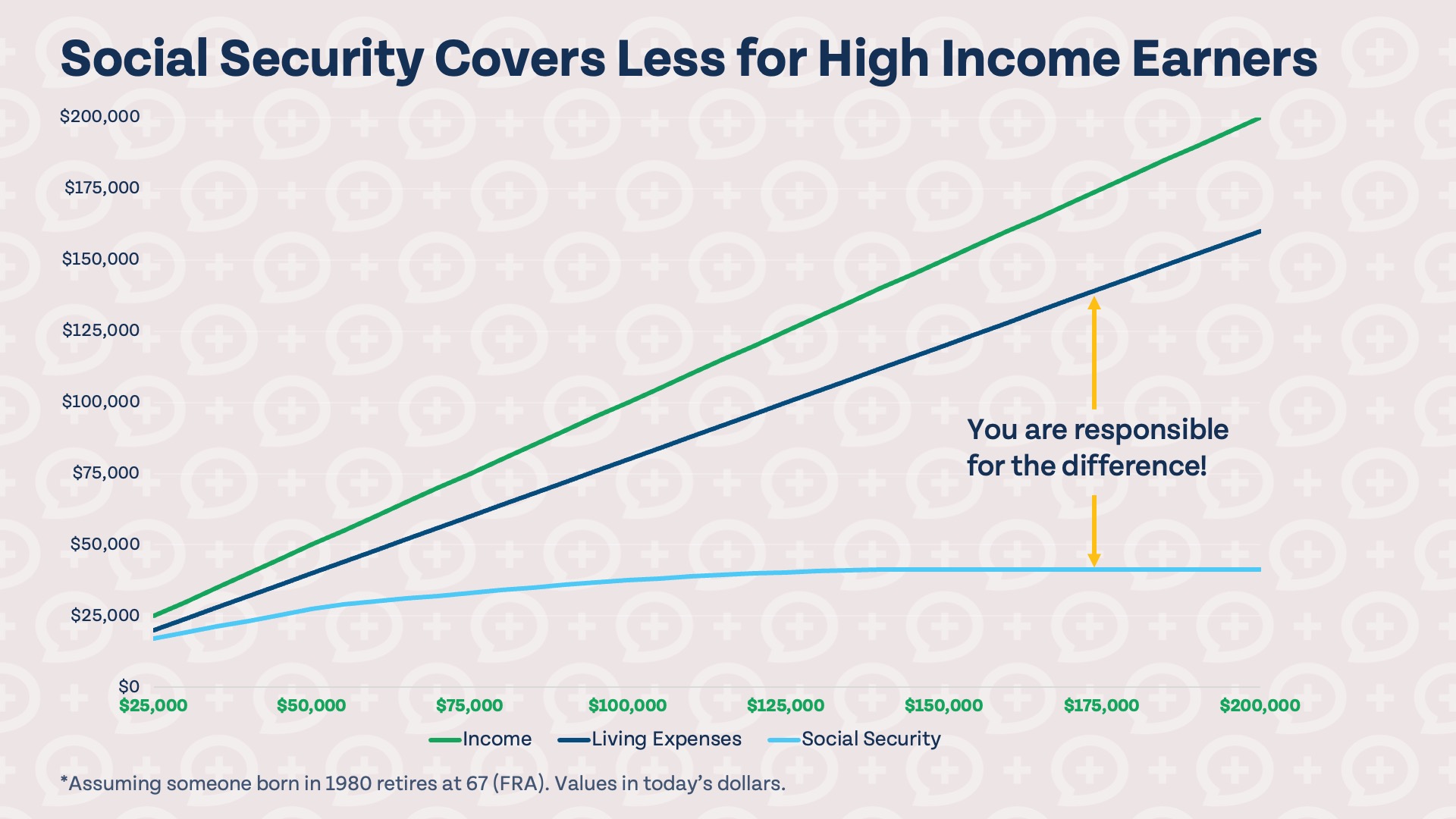
Articles
How Much Do You Need To Retire With an Average Income?
It’s easy to become discouraged if you have an average or below average income. Saving for retirement is normally more difficult with a lower income;...

Articles
Should You Be Spending More in Retirement?
It’s difficult to overstate the risk of spending too much in retirement (or saving too little for retirement). Running out of money means moving in...
Financial FAQs
Courses & Tools

How about more sense and more money?
Check for blindspots and shift into the financial fast-lane. Join a community of like minded Financial Mutants as we accelerate our wealth building process and have fun while doing it.
Free Resources
Financial Order of Operations®: Maximize Your Army of Dollar Bills!
Here are the 9 steps you’ve been waiting for Building wealth is simple when you know what to do and the order in which to...
Free Resources
Wealth Multiplier By Age
If you want to set yourself up for future success, find out how much you need to save every month to become a millionaire.
Free Resources
Car Buying Checklist
Here’s how you can buy a dependable car that won’t break the bank. Our free checklist walks you through the 20/3/8 rule and strategies to...
Recent Episodes

It's like finding some change in the couch cushions.
Watch or listen every week to learn and apply financial strategies to grow your wealth and live your best life.
Episodes
Are You Doing Better Than the Average American?
How do you stack up against other serious money optimizers in 2026? In this episode, we reveal median financial asset benchmarks by age and share...
Episodes
Was His $120,000 College Degree a Huge Mistake?
$120,000 in debt. A closet full of untouched sneakers. And a plan to be financially free by 50. In this new episode, meet the 28-year-old...

Episodes
How to Retire at $1M, $2M, $3M, and $5M
Wondering if your retirement savings are enough? In this insightful episode, we walk through four portfolio benchmarks - from $1M to $5M - and the...